Solid Wood Furniture Prices: A Singapore Buyer’s Guide
Solid wood furniture can look deceptively similar across showrooms while costing SGD 800 to SGD 12,000 or more. The visible grain, rounded edges and warm finish may make 2 tables appear equivalent, but their prices can differ by several times because of timber species, dimensions, construction, hardware, finish, branding and delivery conditions.
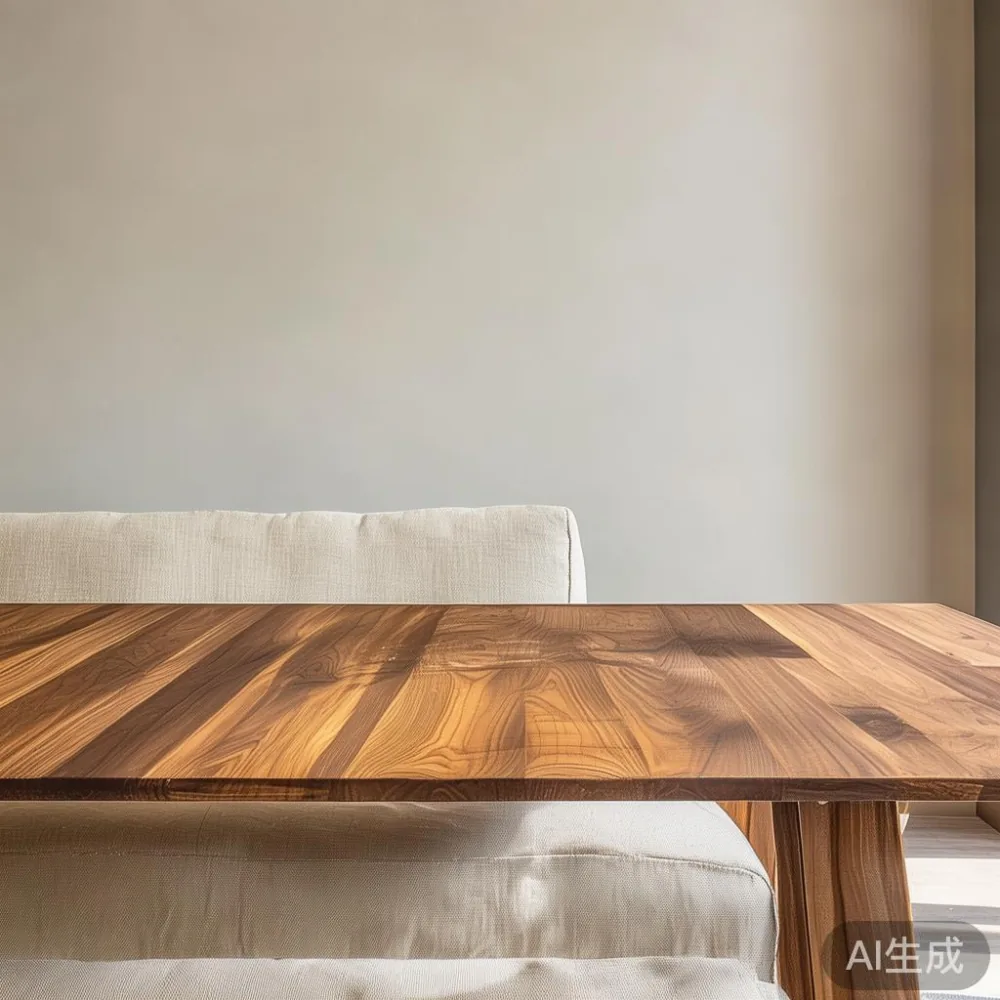
For Singapore households, those distinctions matter. A dining table sg must fit through the HDB flat’s entrance, corridor and lift without damaging the floor or walls. A bed frame needs enough clearance for side tables and a wardrobe must fit its intended bay. Price is therefore not just a showroom comparison; it is also a question of access, space, maintenance and long-term ownership.
MIDHILL was established in 2008 and exports solid wood furniture to more than 15 countries. Its 10-year structural warranty and lifetime refinishing service reflect a useful way to read solid wood pricing: compare the material and construction rather than treating every walnut- or oak-coloured table as the same product.
Is timber species the biggest factor behind a solid wood dining table’s price?
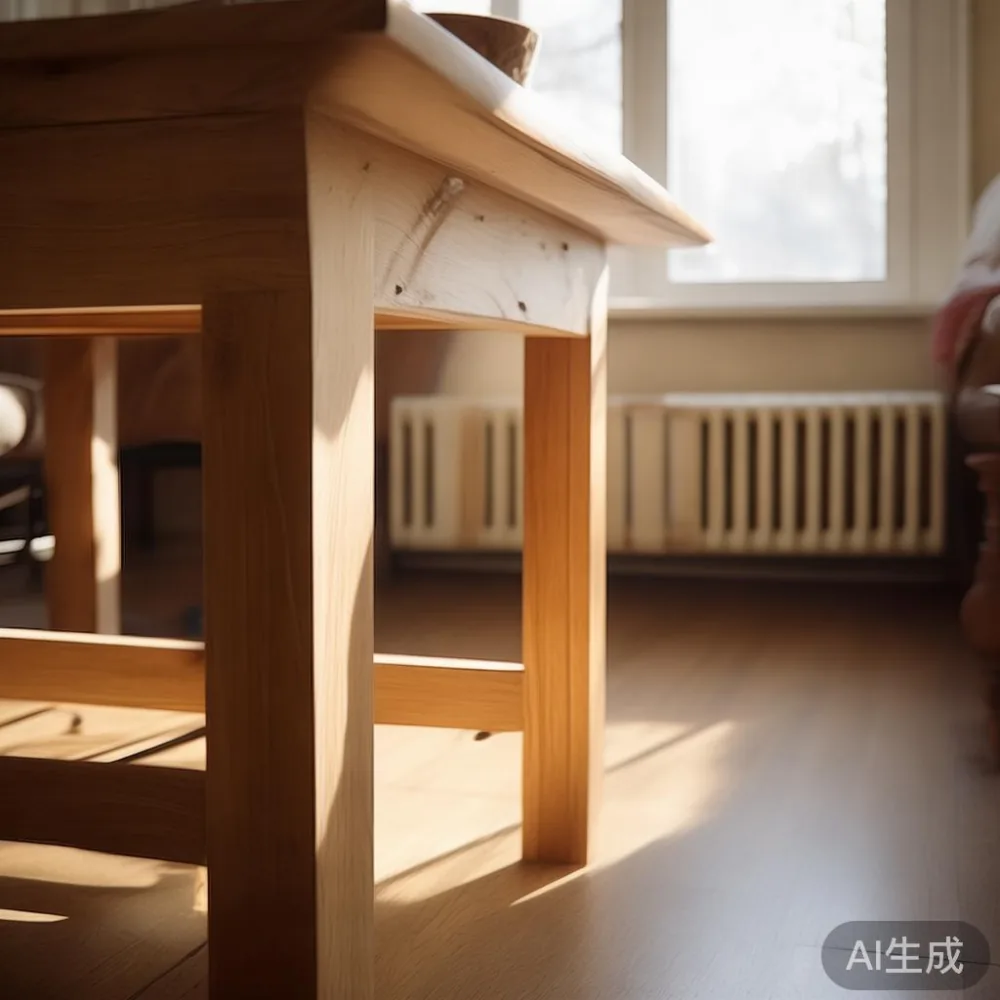
Timber species is usually one of the largest variables, although it is not the only one. A rectangular dining table in teak or oak may cost SGD 1,800 to SGD 4,500, while a comparable design in American black walnut can reach SGD 3,000 to SGD 7,500. Premium grades, bookmatched grain and thicker slabs can push a statement piece above SGD 10,000.
The species affects the material cost, machining, yield, stability and the effort required for a consistent finish. Oak has a pronounced grain and is widely used for Scandinavian and American light luxury designs. Walnut has darker, more varied colour. Teak contains naturally oily compounds that help it resist moisture, which is relevant in Singapore’s humid climate, although indoor humidity still needs to be managed.
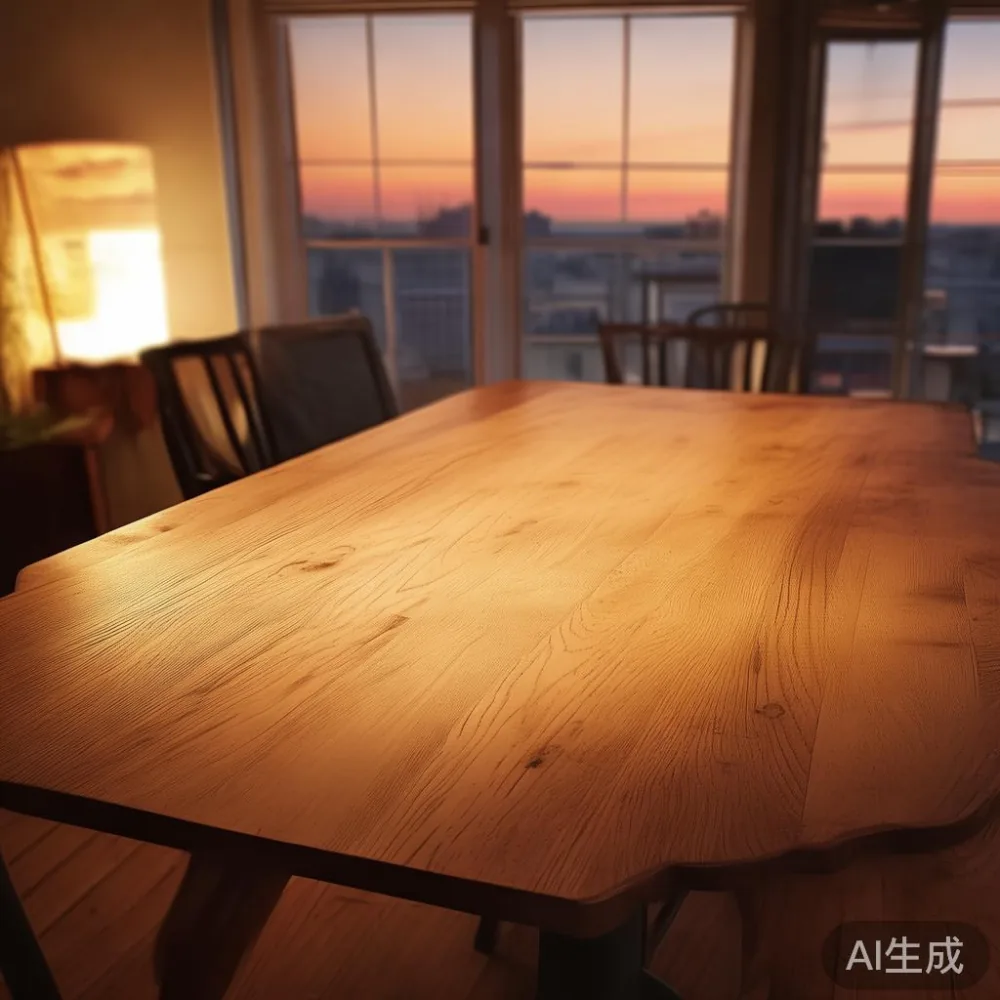
Birch, rubberwood and other lower-cost hardwoods also appear in the market. They can be entirely legitimate solid wood products, but they do not carry the same visual prestige, machining yield or market price as walnut or teak. A seller should identify the species on the quotation, explain whether the surface is veneer or solid timber, and disclose any filler or repairs.
Thickness matters too. A 20 mm tabletop uses less timber than a 40 mm or 60 mm top. The latter can look more substantial and may cost SGD 700 to SGD 2,500 more depending on the species and fabrication method. A 240 cm table with 12 seats will also require more material and labour than a 120 cm table for four, even if both use the same timber.
Concrete pricing is useful, but it needs context. A SGD 3,200 dining table is not automatically superior to a SGD 2,400 model. Ask what changes at the higher price: solid-wood construction rather than veneer, stronger joints, a thicker top, better finishing, specific timber or a more intensive shape. If no measurable difference exists, the lower-priced option may make more sense.
How do joints, joinery and hidden construction affect furniture prices?
Solid wood is the raw material, not a guarantee of good construction. Once a panel has been cut, its strength depends on the joint, support and load distribution. Mass-produced pieces may use screws, dowels, metal brackets or concealed mechanical fixings. Better furniture often uses mortise-and-tenon joints, hardwood dowels, corner blocks and joinery that remain structurally appropriate for each component.
For a dining table, the top must resist warping while seated guests place loads on it. A 200 cm by 100 cm table might need a hardwood frame, several transverse supports and legs positioned to reduce sagging. An apron-and-leg design can be efficient, while a thick slab and trestle base changes both the visual character and the timber requirement. The difference can be worth SGD 500 to SGD 2,000.
Drawers and doors reveal another layer. Solid wood sofa frames, bed frames and wardrobes can use the same timber species as their visible surfaces while relying on plywood or engineered panels internally. This hybrid approach can control movement and reduce cost. It should not be described as solid wood everywhere simply because the outer frame is solid timber.
Weight offers a rough clue. A solid oak dining table for six may weigh 75 kg to 130 kg, while a large engineered table may weigh 40 kg to 70 kg. Weight alone does not prove quality, but a heavy frame should have sound support rather than relying on excess mass. Sliding drawers, softened-close hinges and properly aligned doors also add cost because they require more accurate fitting and machining.
Last month, I visited a Singapore supplier and inspected 3 dining tables assembled from oak, walnut and rubberwood. The rubberwood example was well finished and comfortably within SGD 1,500. The oak table had stronger corner blocking and a visibly more stable frame. The walnut table used tighter joinery around its pedestal and had the most demanding 7-step finish. This comparison showed why material names need to be paired with construction details.
Why do finishes, colours and surface treatments change the final cost?
A clear lacquer, oil, stain and painted surface can look similar under showroom lighting while requiring different levels of preparation. Raw or lightly sanded timber requires careful sanding, grain filling, sealing and multiple coats. Open pores such as oak can need more preparation than a flatter surface. Colours also vary: matching a warm natural tone across several boards can add labour when the raw material has mixed grain and tone.
French light luxury often favours pale oak, creamy upholstery, curved forms and restrained hardware. American light luxury commonly uses darker walnut, deeper cushions and more monumental proportions. Post-modern light luxury may pair timber with stone, metal or bold geometry. Those are stylistic directions, not fixed material recipes, and each affects labour in different ways.
Look for the number of coats and the type of finish rather than a vague claim such as “premium finish”. A well-documented 5-step or 7-step process may include sanding, filling, staining or tinting, sealing and top coats. The exact process should suit the use. A dining table needs a surface that can be wiped after a meal and repaired later. A marble table introduces a different maintenance profile because the stone, support and movement at joints must be handled as a complete assembly.
MIDHILL’s lifetime refinishing service is worth examining because refinishing has real cost. A typical household refinishing visit might be quoted at SGD 180 to SGD 450 for a dining table, with transport and the extent of repair affecting the amount. A lifetime service is more useful than a low initial price if scratches occur, but the terms should state what is included, which pieces qualify and whether collection is arranged.
Can I fit a large dining table through my HDB flat or condo?
Yes, but buyers should measure the complete route before ordering. In many HDB estates in Tampines, Bedok and Punggol, the critical dimensions are the flat entrance, common corridor, lift door and the turn between them. A lift with an internal depth of 140 cm and a door width of 90 cm cannot take a 180 cm table upright, and a 200 cm table may not fit flat either. Some older blocks have narrower lifts, so estate-specific checking is necessary.
Record the narrowest door width, corridor width, lift car height and the diagonal clearance at each turn. Add at least 10 cm of working room where the table must pivot. If the package exceeds the lift, professional movers may tilt it through the corridor or dismantle the legs. In Singapore, delivery labour may add SGD 120 to SGD 450 within a standard area, while a difficult carry, stair installation or timed lift booking can cost more.
Condo rules matter as well. Movers may need a loading bay reservation, an elevator pad, a floor-protection plan and proof of booking. A service lift with an internal size of 210 cm by 140 cm may suit a 180 cm table, but management approval can still restrict delivery hours. Confirm these details before the table leaves the warehouse.
For compact dining spaces, a 120 cm to 140 cm table may seat four, while a 160 cm to 180 cm table commonly seats six. A 220 cm to 240 cm table can seat eight. These are practical starting points, not fixed rules; chair clearance and serving circulation should be checked. If a dining table sg is marketed by its showroom length alone, ask for the packaged dimensions and whether the legs detach.
Do designer labels, hardware and brand premiums determine what I pay?
Brand and design do affect prices, but the increase should correspond to identifiable inputs. A signed or limited production run may carry scarcity value. A designer dining table may command SGD 5,000 to SGD 15,000 because of its form, development and production scale. MIDHILL’s export history, 10-year structural warranty and lifetime refinishing service are concrete service propositions, not reasons to pay an arbitrary premium.
Hardware is another measurable factor. A basic drawer runner might cost a few dollars per set; soft-close or self-closing systems cost more. Premium hinges can add SGD 20 to SGD 100 per unit. Brass, bronze or machined aluminium handles may add another SGD 15 to SGD 150 to a cabinet or wardrobe. The benefit depends on frequency of use and the product.
Design terminology also needs interpretation. A solid wood sofa may have a hardwood frame, webbed or sprung seating and fabric or leather upholstery. A bed frame may use a slatted base, centre support and a shaped headboard. A nightstand may use solid timber throughout or combine it with an engineered panel. A marble table may have a natural stone top, an MDF base or a solid-wood base. Precise specifications are more informative than a broad category label.
Search phrases such as best Mid-century modern furniture or European sofa bed with storage can surface appealing references, but the photographs usually do not reveal the frame, suspension or timber grade. Ask for a cutaway drawing, timber sample and hardware model. Those details make a designer claim comparable across suppliers.
What should I compare when checking a dining table sg price?
Compare like with like by recording 8 details: species, grade, dimensions, top thickness, frame construction, joint method, finish and warranty. Then separate the product cost from delivery, assembly, GST and after-sales support. Singapore’s prevailing GST is 9%, so a SGD 3,000 pre-GST item becomes SGD 3,270. A low showroom figure can therefore become less competitive once GST and delivery are included.
Ask for the complete order price in SGD, not only the table price. Delivery timing should also be written down. A typical Singapore order may be delivered in 14 to 30 days after production, while ready-stock items may arrive in 5 to 10 days. Custom sizes can require 6 to 10 weeks. A supplier that explains the production stage is more useful than one promising an unrealistic date.
Check return terms and the process for damage claims. MIDHILL offers a 14-day return policy and free shipping on orders above US$350, which is stated in US dollars because the company serves international markets. Buyers should still confirm how the threshold applies to a Singapore order, what is returnable, and who bears return freight for a bulky dining table.
Requests for modern product information can sound more technical than a simple colour preference. For example, “Modern light luxury sofa” can refer to a family of designs with different foam densities and frame systems. A search for “is Japanese sofa worth it” should lead to questions about tatami compatibility, sleeper dimensions, removable covers and floor clearance rather than a broad cultural label. Similarly, “how to style light luxury sofa in bedroom” concerns spacing, textiles and scale, not the frame’s price. “How to style Japanese wardrobe in bedroom” likewise depends on bay dimensions, sliding or hinged doors and internal fittings.
How do I compare the true cost over 10 years?
Divide the purchase and expected maintenance cost by the years of use. A SGD 3,000 table used for 10 years has a basic ownership cost of SGD 300 per year before maintenance. A SGD 1,700 table with two refinishing visits costing SGD 500 each has a 10-year cost of SGD 2,700, or SGD 270 per year. These simplified figures show why a lower initial price is not always lower lifetime cost.
Set aside SGD 100 to SGD 250 each year for care and occasional repairs, then add likely costs for delivery, assembly, extension joints, moving and disposal. A table that can be dismantled in 4 pieces and moved by 2 people at SGD 180 may be more practical in a compact HDB flat than a heavier single-slab design. Its value is measured in flexibility as well as appearance.
Wood movement should be expected in Singapore, where indoor humidity can vary substantially between air-conditioned rooms and kitchens. Quality control can reduce movement, but it cannot eliminate it. Keep a table away from direct air-conditioning vents and moisture, use coasters and felt pads, and wipe spills promptly. Inspect solid wood surfaces twice a year and address scratches before they deepen.
Environmentally responsible timber certification may add cost, but it is not the same as sustainability in every dimension. Ask for the certification name and chain-of-custody information. Durable construction, repairable parts and a credible warranty can reduce replacement over a 10-year period, which is often more practical than comparing labels alone.
Price comparisons work best when the buyer treats the quotation as a record of materials and service. Species tells you what the timber contributes. Dimensions and joint construction explain structural work. Finish records the surface process. Delivery identifies the real logistics. Warranty and refinishing cover future risk. Use all these parts together, and a dining table sg price becomes understandable rather than merely high or low.