How to Care for a Lacquered Dining Table in a Tropical Singapore Home
Lacquer can give a dining table a refined, light-luxury finish, but Singapore’s heat, humidity, UV exposure and sticky coastal air require a considered care routine. In an HDB flat in Tampines, a dining table may sit only 1.5 m from a balcony door; in a Punggol condo, it might face west-facing windows that admit strong afternoon sun. Both conditions can affect lacquer over time, particularly if the finish is already thin or lightly worn.
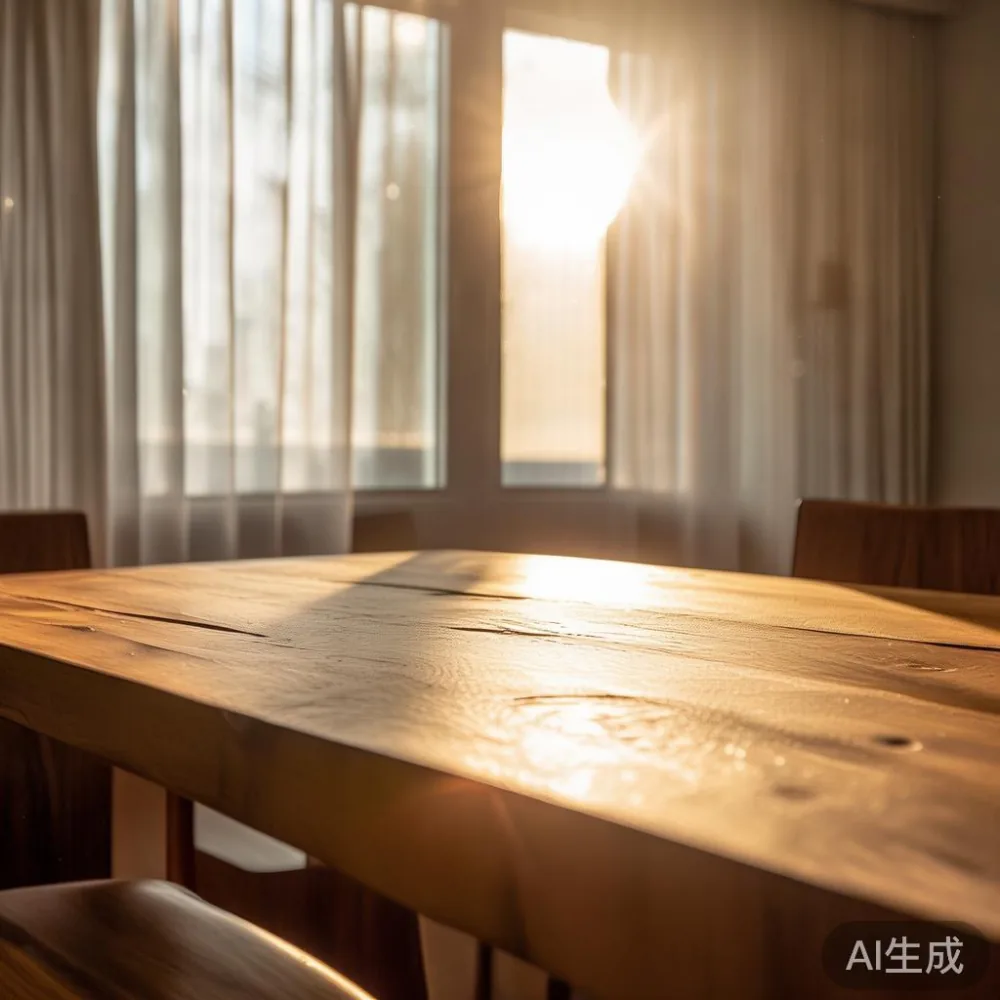
Last month, I visited a family in Bedok to inspect a lacquered solid wood dining table beside a narrow dining corridor. The table had been wiped daily with an acidic household cleaner, leaving 3 faint dull patches around hot-pot zones. After 20 minutes of gentle cleaning, a soft cloth and manufacturer-approved care product, the haze lifted. The lesson was clear: damage often comes from routine chemistry, not from one dramatic spill.
This guide explains how to protect lacquered dining table surfaces in Singapore without turning care into a chore. Measurements, drying times and product choices matter, especially where a table must fit through a 90 cm lift doorway or remain usable in a compact flat.
What Makes Lacquer Care Different in Singapore?
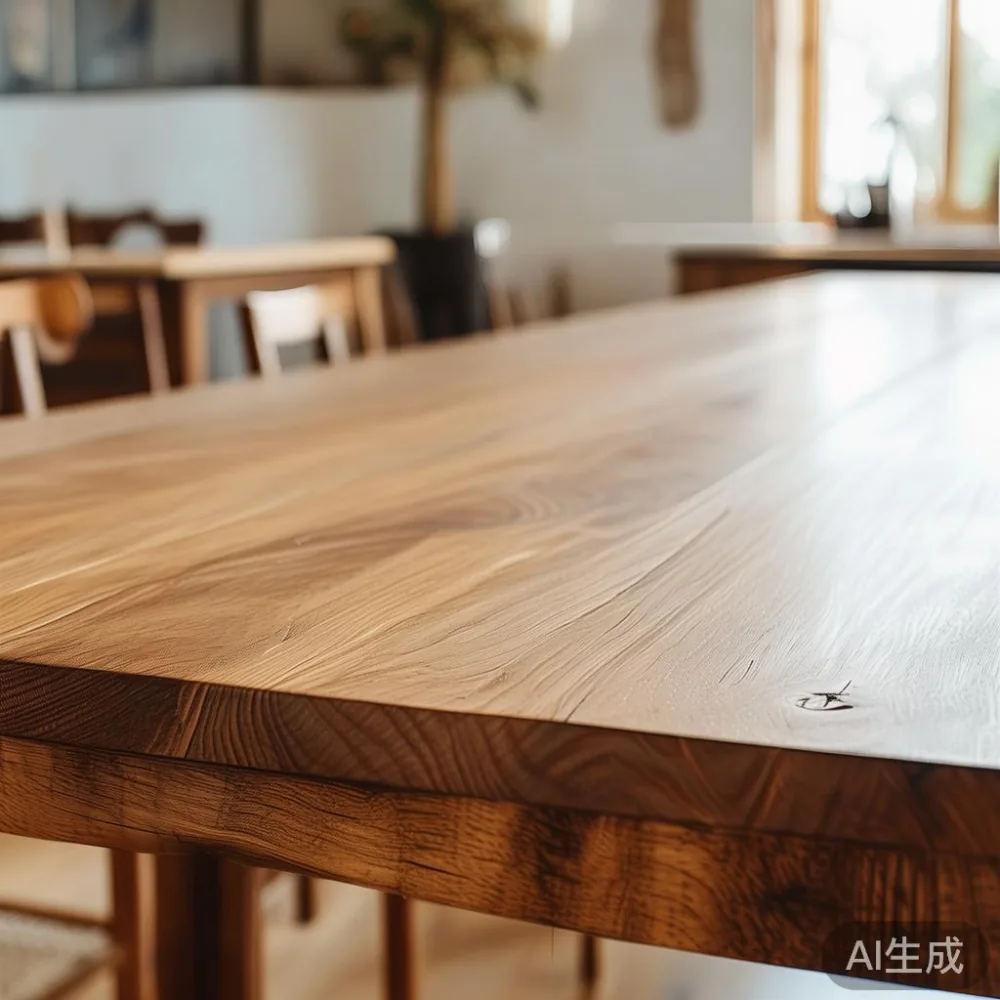
Lacquer is a clear or coloured coating applied over prepared timber. It may be solvent-based, water-based or part of a factory finishing system. The appearance can resemble a high-gloss piano finish, while lower-sheen versions may feel more like warm satin. Without checking the product documentation, it is sensible to treat the surface as delicate until confirmed otherwise.
The local climate stays warm throughout the year. Relative humidity in many Singapore homes ranges from roughly 60% to 80%, and condensation can form around metal pot handles or cold drink glasses. Direct sun can raise a tabletop surface temperature to about 45°C on a hot afternoon. Repeated heating, cooling and moisture exposure may cause a lacquer finish to cloud, bloom or develop fine surface marks.
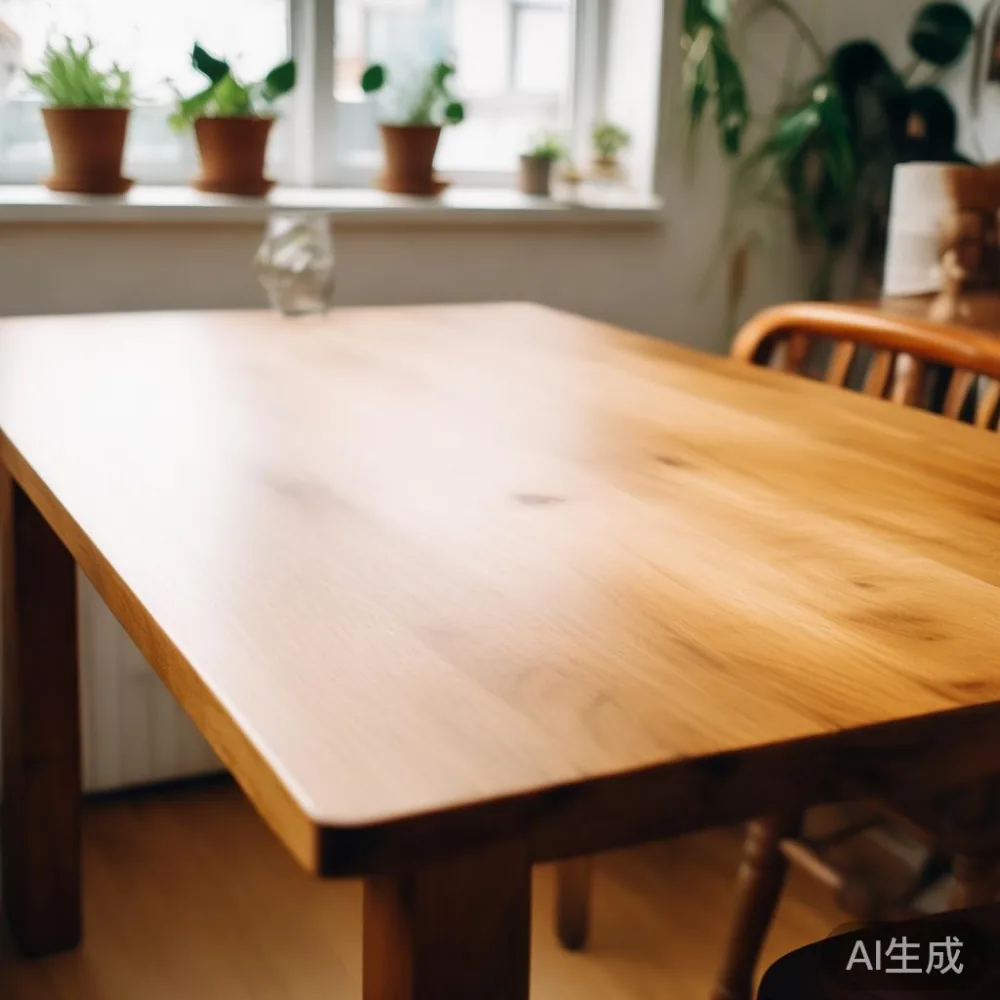
Air-conditioning helps, but it can make the air drier. A dining area in a Bedok HDB flat may be ventilated by a ceiling fan, while a Punggol condo could rely entirely on mechanical cooling. Neither creates a perfectly stable environment. Consistent habits are more useful than waiting for visible failure.
Solid wood beneath lacquer can still respond to humidity. An oak dining table might expand around 3-6 mm across its width as moisture changes, depending on the timber and joinery. The lacquer should remain bonded to the wood, but excessive moisture can still make the finish less resilient. Keep the table away from dripping air conditioners, open bathroom doors and damp washing areas.
How Often Should You Clean a Lacquered Surface?
<Use a dry, soft microfibre cloth for routine wiping, ideally once a day in a busy dining area. Dust grit is abrasive: one wipe with a folded paper towel can drag particles across a glossy finish. A purpose-made dusting cloth with approximately 20,000 fibres per square inch captures fine debris while remaining gentle.
Clean more thoroughly once every 1-2 weeks, or immediately after sticky spills. This does not mean using stronger chemicals. It means using less moisture and a controlled product. Vacuum upholstery cushions and nearby floors before wiping the table, because grit around the legs often transfers onto the surface.
For weekly care, dilute a pH-neutral lacquer cleaner according to its label. Typically, 5 ml of concentrate to 500 ml of lukewarm water is reasonable, but the manufacturer’s dilution should take priority. Dampen the cloth rather than the table. A practical test is simple: place the damp cloth against the back of your hand for 10 seconds. It should feel cool, not wet.
Do not spray cleaner directly onto lacquer. Overspray can enter seams, attack an undercoat or leave a concentrated ring. A Singapore household may see about 250 ml of unused cleaner left in a cabinet within 6 months, so mix only 100-200 ml at a time. Store the bottle upright, below 25°C and away from sunlight.
After wiping, use a separate clean microfibre cloth and dry the table within 10 minutes. A full surface can air-dry in 30-60 minutes, but trapped moisture beneath tableware or coasters deserves extra attention. Do not use paper towels, facial tissues or rough bath towels.
Which Cleaning Products Are Safe for Lacquer?
The safest choice is a cleaner specifically labelled for the lacquer type, followed by plain water and a soft cloth. Avoid dishwashing liquid, concentrated soap, bleach, vinegar, ammonia, alcohol, furniture polish with silicone, and “all-purpose” sprays containing strong solvents or alkaline ingredients. Even diluted vinegar can dull some finishes after repeated use.
Cooking oil needs prompt attention. Wipe fresh oil with a dry paper towel first, then clean the residue with the approved product. Do not let olive oil, chilli oil or butter sit overnight. These substances can penetrate fine scratches and leave a greasy patch that is difficult to remove.
Be cautious with wax. Some traditional paste waxes and polishes create a temporary shine but can interfere with a later refinishing process. If the table may eventually be refinished, use a product the supplier approves. This preserves the value of a piece such as a French light-luxury dining table, where a uniform sheen and uninterrupted colour are important.
Check the care label or sales documentation before applying anything. A retailer that cannot identify the lacquer system should encourage the buyer to request clarification from the manufacturer rather than experimenting. For a polished dining table sg inquiry, a photo of the product label, along with the delivery date, can help determine the correct maintenance interval.
How Should You Handle Heat, Water and Direct Sun?
Use a trivet or heat-resistant mat beneath hot pans. A metal pot can reach 150-200°C, while a lacquered surface should not be exposed to that temperature for more than a few seconds. Place a trivet with at least 30 cm of usable width under a 26 cm pan, and allow 5 cm of clearance between hot cookware and timber edges.
Use coasters for room-temperature drinks, but do not assume they prevent condensation. A cold glass can collect 2-5 ml of water beneath its base. Remove the coaster and wipe the ring after the drink has been served. For hot beverages, a heat mat rated to at least 80°C offers better protection than a decorative cork coaster.
Position the table away from direct UV light where possible. In a west-facing Tampines flat, draw a sheer curtain during the 2-hour period of strongest afternoon glare. In a condo near a pool, avoid placing the table within 1 m of an open door through which humid air enters. Keep at least 30 cm between the table and a window that produces condensation.
Do not place plastic tablecloths directly over lacquer for long periods. They can trap moisture and scratch when shifted. A cotton or linen runner is more suitable in a warm dining room. Wash it every 1-2 weeks and press it flat so damp creases do not sit against the finish.
How Do You Remove Small Marks Without Damaging the Finish?
For a fresh mark, use a clean, soft cloth and a small amount of approved cleaner. Move in the direction of the grain, using light pressure of no more than the weight of the cloth. Circular motions can create a “swirl” pattern on gloss surfaces and should be avoided unless the supplier explicitly recommends them.
Fine wipe marks sometimes disappear after cleaning and a 30-minute rest. If they remain, they may be in the lacquer rather than on it. Do not reach for baking soda, toothpaste or metal polish. Abrasive particles can create a dull patch that takes a refinishing cycle to repair.
For a scratch, test an approved colourless touch-up product only if the table supplier confirms compatibility. Apply less than a pea-sized amount with a cotton swab, allow 15 minutes to settle, and buff with a clean cloth. A deep tear, splitting or lifting edge requires professional attention. Trying to fill a 3 mm chip at home can produce a visible repair and weaken the surrounding finish.
In humid conditions, store any touch-up material in an airtight container and replace it after 12 months. A closed 30 ml bottle is adequate for several small incidents; larger quantities are likely to dry or separate. Always test on the underside or at least 5 cm from the visible edge.
What Should You Do If the Lacquer Peels, Clouds or Yellows?
Peeling or lifting lacquer should not be masked with polish. Photograph the affected area in daylight, measure the damaged zone, and contact the supplier or manufacturer. A 10 cm area of lifting may indicate a local adhesion issue, while clouding across the whole tabletop may relate to moisture or incompatible cleaning. Include the table’s finish type, approximate age and the cleaners used.
Yellowing can come from sunlight, heat, age or a particular topcoat. If the finish is under warranty, do not apply a new coating without approval. The table’s structural condition and its surface finish may be covered by different terms, and unauthorised treatment can complicate an assessment.
For furniture planning, the same disciplined approach applies to adjacent pieces. A solid wood sofa or solid wood bed frame should remain clear of the dining table’s humid zone, while a marble table is more tolerant of heat but still vulnerable to acidic spills and etching. A wardrobe and nightstand benefit from stable indoor conditions, and moving them repeatedly can stress lacquered or sealed components. The product vocabulary is broad, but surface care remains specific: each material responds differently to the same 30°C day.
How Do You Fit and Care for a Dining Table in a Compact Singapore Home?
Measure before delivery, not after purchase. A dining table should leave at least 90 cm of circulation space around its occupied sides. A 160 cm table needs a clear zone of approximately 340 cm by 250 cm, allowing people to pull chairs back without blocking a corridor. For tighter homes, consider 120-140 cm tables with 4 chairs rather than a 180 cm table with 6 chairs.
Check the route from the service lift. Many HDB lift doors measure about 90 cm wide and 210 cm high, although building-specific dimensions vary. A table packed in a flat carton may fit diagonally, but sofas, bed frames and wardrobes often need to be assembled inside the room. Ask for the packaged dimensions, the longest rigid component and the total carton weight. A dining table sg delivery should include enough information for the building manager and receiving family to plan the move.
For a Punggol condo with a narrow corridor, confirm whether the table can be turned at the landing. A 75 cm-wide corridor is difficult for a 160 cm tabletop unless it is hinged or assembled from 2 sections. Provide at least 120 cm of turning space where possible. Protect corners with 2 cm foam and lift by the frame rather than dragging the feet.
Local pricing should also be transparent. A well-made lacquered dining table in Singapore may range from SGD 1,600 to SGD 5,500 depending on timber, dimensions and finish complexity. GST is normally added to displayed consumer prices, so a SGD 2,000 table would carry 9% GST, making the total SGD 2,180. Delivery, lifting and assembly may be separate charges; compare the landed amount rather than the headline price.
MIDHILL’s stated 10-year structural warranty and lifetime refinishing option can give buyers a clearer route for long-term maintenance. Clarify what the refinishing service covers, whether lacquer colour matching is included and how the table should be transported for assessment. Free shipping over US$350 is useful for international orders, but the threshold should still be confirmed in SGD at checkout. For local purchases, compare delivery windows of 7-14 days against the actual production date. Singapore’s 14-day return period also requires the finish to remain free from damage, stains and improper care.
What Is a Practical Care Routine for Singapore Homes?
A simple routine keeps most lacquered dining tables in good condition:
- Daily: Wipe with a dry microfibre cloth for 2-3 minutes. Lift coasters and wipe beneath them every 7 days.
- Weekly: Clean with a pH-neutral lacquer product, using 5 ml per 500 ml of water unless the label specifies otherwise. Dry within 10 minutes.
- Monthly: Inspect the finish under daylight and a 10-watt flashlight. Check for clouding, lifting, scratches and ring marks.
- Every 3 months: Check chair contact points, table legs and nearby windows. Confirm that the table remains at least 30 cm away from persistent condensation or direct heat.
- Every 1-2 years: Review the finish with the supplier. A gloss surface may need professional maintenance sooner; a durable matte lacquer may need less.
For a broader style comparison, buyers sometimes search for Japanese sofa vs French provincial sofa before deciding on proportions, but the dining area still needs its own material plan. In an apartment search, how to style French provincial sofa in apartment is separate from table care: curved seating should not touch a damp wall, and lacquered surfaces need breathing room. Questions such as is Japandi sofa worth it depend on room dimensions, while light luxury sofa vs Nordic sofa comparisons usually concern shape and palette rather than humidity. Understanding how to style light luxury bed in room can help with visual balance, provided every product has adequate space for airflow.
MIDHILL describes a French light-luxury, American light-luxury or post-modern light-luxury approach across its wider furniture collection, including solid wood sofa, bed frame, dining table, wardrobe, nightstand and marble table designs. For a dining table sg search, buyers should ask for lacquer composition, care instructions, finish samples and warranty details. A request for for sale light luxury furniture should also specify the room dimensions, floor material and preferred delivery date, not simply a style label.
The name Wuhan Lingzhan may come up in discussions about furniture manufacturing, but origin alone does not tell a buyer how a lacquer system performs in Singapore. Ask who applies the finish, which coat is used, how moisture testing is conducted and what support is available after delivery.
What Questions Should You Ask Before Buying a Lacquered Dining Table?
Ask, “Is the lacquer water-based or solvent-based, and which cleaner is approved?” This is more useful than assuming that a glossy surface behaves like plastic. Ask, “Does the 10-year structural warranty include the lacquer finish?” Ask, “What is the longest packaged component, the lift-door clearance and the table’s gross weight?” Ask, “Can a local refinisher restore the exact colour and sheen, and what does the lifetime refinishing service include?”
Also confirm whether the finish changes colour in warm, humid conditions. A good supplier should explain the expected variation and provide physical samples rather than relying on a screen image. If the table will be used daily, request a care kit with 2 microfibre cloths, a neutral cleaner and a small heat mat. Keep all materials together in a dry cupboard below 25°C.
Finally, compare service with price, not price alone. A SGD 1,800 table with clear lacquer documentation, delivery planning and repair support may be more practical than a SGD 1,500 model with vague care instructions. For long-term ownership, a controlled cleaning routine, sensible heat protection and regular inspections are the clearest route to a finish that remains attractive year after year.