How Southeast Asian Humidity Affects Solid Wood Dining Tables in Singapore
Singapore’s warm, humid climate can change the dimensions, joints and surface appearance of solid wood furniture. The effects are especially noticeable on a dining table sg, where broad timber panels expand across long spans and move frequently around the breakfast, lunch and dinner table. In an HDB flat in Tampines, a poorly controlled room may shift between roughly 60% and 75% relative humidity over several days. A condo near Bedok’s coast can experience wider moisture changes because of sea air, while an air-conditioned Punggol home may become unusually dry whenever the household switches the cooling off.
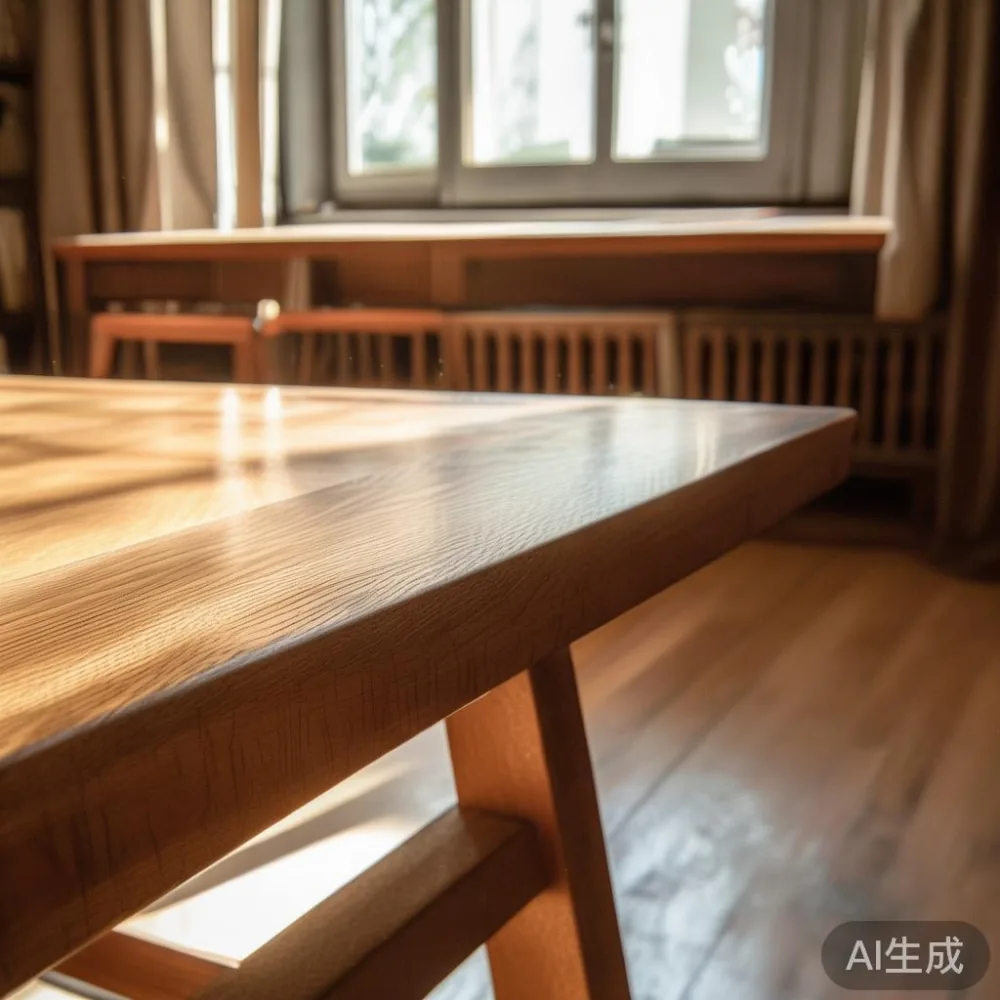
Humidity does not mean that solid wood is unsuitable here. It means that timber should be selected, finished and cared for with Singapore’s climate in mind. Understanding how moisture enters and leaves wood helps owners protect a dining table, a bed frame, a wardrobe, a nightstand or a solid wood sofa while retaining the warmth and grain variation associated with genuine timber.
What is Singapore’s typical indoor humidity?
Singapore’s outdoor readings often change with rain, cloud cover and wind. Outdoor relative humidity can sit near 80% during some periods and fall below 70% at other times, particularly when rain arrives after a drier spell. Indoors, an air conditioner may remove enough moisture to bring a living or dining area down toward 45% or lower. A kitchen next to a frequently opened window can exceed 75%, especially when washing and cooking add vapour.
Those fluctuations affect wood because unfinished timber takes in moisture when the surrounding air is humid and releases it when the air becomes dry. A change of 10 percentage points does not produce identical movement in every board. Movement is measured across the grain, not along the length. A wide solid-wood tabletop with a 30 cm depth may expand several millimetres across its width during a substantial seasonal shift, while movement along its 180 cm length can remain small. The movement also closes or opens tiny gaps in panel joints and can place pressure on tight table extensions.
A practical target for many Singapore dining rooms is about 45% to 60% relative humidity, measured with a small digital hygrometer. Keeping readings within a band of roughly 10 to 15 percentage points reduces repeated dimensional change. Air conditioning is useful because it controls humidity, but placing a dining table sg directly beside a return vent exposes one side to cool, dry air while the opposite side remains exposed to the room.
For context, Singapore’s Goods and Services Tax stands at 9%. A SGD 2,400 dining table before GST becomes SGD 2,616 after GST. Delivery may add about SGD 80 to SGD 180 to a local address, depending on access and the lift level. In lift lobbies, measure both the lift car opening and the turning space needed to manoeuvre a boxed table. A common HDB lift has a door opening around 90 cm and a car depth near 130 cm, so a package with a 160 cm diagonal may need to be angled carefully rather than carried flat.
Why does humidity affect a solid wood dining table?
Wood is hygroscopic: it responds to atmospheric moisture. In Southeast Asia, solid wood furniture can absorb moisture during humid nights, lose it during air-conditioned afternoons, and repeat the cycle many times each year. The response depends on species, board width, panel construction, finish and location. Teak is naturally more resistant to movement than many hardwoods, but teak still needs sensible indoor care. Oak, ash, rubberwood and other timbers used in dining tables can show more visible movement when their service conditions fluctuate.
The finish matters too. Water-based polyurethane and waterborne lacquer form a useful barrier, but no coating makes a table moisture-proof. Oils, waxes and thinner lacquers generally offer less protection from splashes and frequent wiping. Scratches can expose fibres that absorb moisture more quickly. A cleanable satin coating with a durable film can slow the exchange, while routine maintenance helps prevent bare areas from appearing around plate zones and napkin lines.
Last month I visited a customer’s Bedok dining area after a heavy afternoon shower. The kitchen hygrometer showed 78%, while the adjoining dining room measured 66%. The 180 cm dining table had been placed with one end beside a window, and a gap near one extension leaf had opened to about 1.5 mm. I moved the hygrometer away from the window, wiped the surface with a lightly damp cloth, allowed it to air-dry, and advised the family to keep the table at least 60 cm from the glazing. The gap narrowed over the next 3 days as the room became drier.
This movement is normal within a small tolerance, not a defect. A dramatic crack, split across multiple growth rings, or a joint that no longer seats may indicate different causes and should be documented with photographs. Measuring the panel and recording indoor humidity over 2 to 4 weeks can help a supplier determine whether finish, movement or construction is responsible.
Can Singapore humidity ruin solid wood furniture?
Singapore humidity can damage solid wood furniture when prolonged moisture remains trapped against the timber. Persistent condensation beneath a window, a leaking air-conditioner pipe or damp skirting may encourage mould and weaken the surface. Wiping a table while it is warm and wet can also force moisture into open grain or joints. One damp cloth left under a table leg for 6 hours may leave a water outline even when the top looks dry.
Normal domestic use is manageable. Place a dining table sg away from exterior walls where practical, especially in ground- or upper-floor units close to sea-facing windows. Use blinds during intense afternoon sun, but avoid trapping the tabletop against a wall. Leave 5 cm to 8 cm around freestanding pieces when space allows. This supports cleaning and lets air move around the furniture.
Protect the floor as well. A felt pad under each leg reduces water transfer and scratches, although it should not hide a persistent damp patch. Rubber pads can grip varnished or tiled floors better than cloth. Replace saturated felt pads every 6 to 12 months. Do not place a table directly above a washing machine, kitchen sink or bathroom-adjacent wall where repeated moisture is common.
Furniture made for damp interiors needs compatible materials inside its construction. Plywood or engineered panels used in a wardrobe or drawer should be specified for humid service. Solid timber is still suitable for table legs and frames, while moisture-resistant joinery reduces swelling around cabinet hardware. For a larger bed frame, allow 10 cm to 15 cm between the headboard and curtains if air can circulate there. A nightstand should not sit in a damp niche beside a plumbing riser.
How should I control humidity around a dining table sg?
Control starts with measurements. Place a hygrometer at tabletop height, roughly 75 cm above the floor, and record readings at breakfast and dinner for 7 days. Note events such as opening windows, drying laundry nearby or running the air conditioner for 6 hours. If the dining table sg stays outside 45% to 60% for extended periods, adjust the room before changing the furniture finish.
Use the air conditioner or dehumidifier as needed, but avoid abrupt room changes. A target shift from 72% to 58% over 8 to 12 hours is more considerate to timber than reducing 20 percentage points in 30 minutes. Keep vents directed along the room rather than continuously at one table edge. A portable dehumidifier with a rated capacity around 10 to 20 litres per day can help in a persistently humid bedroom, though it is usually unnecessary in a well-ventilated dining area.
Clean with care. Wipe with a soft cotton cloth wrung out until it is merely damp, then dry the surface with a second cloth. Avoid steam cleaners, bleach, ammonia, silicone furniture sprays and rough pads. Allow at least 30 minutes before setting warm objects or decorative items down. Coasters with a base of at least 4 mm help protect the finish from local condensation, but they do not substitute for drying the surface.
Seasonal care should be modest. If a panel has closed slightly during humid weather, do not force a joint. If a drawer or leaf is tight, loosen the relevant screw gradually and check the alignment. Do not plane or sand a dining table during its first year merely because a joint has moved. Surface scratches can often be treated by a refinishing professional, whereas aggressive sanding can remove too much timber and alter the original profile.
What should I look for in a humidity-ready dining table?
Ask the supplier how each component responds to humidity and what warranty language applies to cracking, joint failure and finish defects. A 10-year structural warranty should define its scope clearly. Finish warranties often differ from structural coverage, so request a written explanation of moisture-related exclusions, care requirements and repair options. A furniture maker with export experience to more than 15 countries is accustomed to different climates, although local acclimatisation remains important.
Inspect the tabletop for stable, well-dried construction. A glued panel with multiple shorter boards may distribute seasonal movement better than one very wide board. Look for clean joints, even gaps and surfaces that are flat within a few millimetres. Avoid a top with obvious bubbling, torn edges or failed finish adhesion. The underside should be dry, smooth and free from dark spotting.
Choose a finish matched to household habits. Families who eat daily may prefer a tougher lacquer film, while owners who value a softer tactile finish may use an oil-wax system and accept more maintenance. The species, protective system and cleaning instructions should appear on the product documentation. Ask about repair rather than replacement: can a damaged section be refinished, and how many days might that take?
For wider homes, measure the route before ordering. A table with a 210 cm top may need an entrance turn of at least 220 cm after packaging, while a lift corridor of 105 cm may rule out carrying it in one piece. A supplier that offers free delivery over US$350 may still need to arrange a local delivery charge in SGD and confirm stair, lift or access restrictions. Clear measurements prevent a beautiful dining table sg from becoming trapped in a corridor.
Humidity also affects the smaller pieces sharing the room. When considering how to style Japanese sofa in bedroom questions, a low solid wood sofa may be better placed away from an open bathroom and air-conditioner mist. A marble table is less dimensionally responsive than timber, but its natural stone should still be protected from wet coasters. A wardrobe and nightstand benefit from stable room conditions, while a solid wood sofa can develop small joint gaps when covered by a thick fabric that traps moisture.
Is French light luxury suitable for Singapore’s humidity?
French light luxury works well when timber, textile and stone choices respond sensibly to the climate. Pale oak, ash and carefully finished rubberwood can create an airy appearance without requiring excessive gloss. Upholstery should have removable covers where children or dining spills are likely. A solid wood sofa with loose cushions can be serviced more easily than a tightly woven frame, but its frame should be moisture-resistant inside.
American light luxury often leans towards generous proportions and substantial timber sections. Those details can suit a condo dining room, yet broad tops and thick legs require acclimatisation. Post-modern light luxury can use rectangular lines, restrained profiles and mixed finishes that visually reduce the weight of a large table. None of these styles changes the physics of timber; material quality and environmental control still decide long-term appearance.
For a bedroom, a consumer comparing an American bed vs French provincial bed should compare frame construction, ventilation clearance and finish. The phrase best French provincial bed for 2026 may appear in style guides, but a carved headboard with deep detailing needs room and careful humidity monitoring. The same principle applies when asking is Japandi bed worth it: a clean-lined frame can fit Punggol or Tampines layouts, but it still deserves 5 cm or more of airflow behind it and protection from direct window damp.
A light-luxury apartment should use humidity control as part of its visual calm. Natural materials, 60 cm of window clearance and measured climate control create comfort without visual clutter. If someone asks is light luxury sofa worth it, the answer depends on comfort, proportion and durability, not on treating fabric as immune to tropical moisture. Likewise, how to style light luxury sofa in apartment planning should include access for cleaning and a dry path from the bathroom.
What maintenance routine works year-round in Singapore?
Check the hygrometer monthly and observe the tabletop after major rain events. Lift coasters, wipe away condensation and inspect the underside near legs every 3 months. Vacuum seams with a soft brush rather than flooding them. Keep abrasive cleaners and damp cloths away from the finish, and use a neutral product approved by the furniture maker. Never leave folded newspapers, wet towels or plants in direct contact with wood for more than a few hours.
Monitor long extension leaves, drawer runners and table joints. A gap under 2 mm can reflect ordinary moisture movement; a gap that increases while the room is steady, a door that no longer closes or a split that follows the grain should be reported. Take 3 photographs, record the approximate dimensions and note the humidity reading. This record helps a maker distinguish climate-related movement from accidental damage.
For furniture purchased from MIDHILL, retain the order details and ask about the stated lifetime refinishing service before attempting a repair. Refinishing is not a substitute for controlling a leak or persistent dampness. A 10-year structural warranty may cover eligible structural failures, while scratches, water marks and finish wear can follow separate terms. The safest approach is to prevent damage, document it early and follow the maker’s care guidance.
Local delivery should be planned around real dimensions. Confirm the HDB block, floor, lift size and whether the route includes a narrow corridor. Allow 5 to 10 business days for some made-to-order pieces, and remember that a local price in SGD may include GST. If a supplier quotes SGD 2,000 for a dining table, the GST-inclusive amount is SGD 2,180. Transparent pricing makes it easier to reserve the right acclimatisation period rather than rushing installation into a humid week.
Can humidity be managed without making a dining room feel cold?
Yes. Use blinds, ceiling fans, air circulation and moderate air conditioning rather than chasing every minute of change. A room maintained near 55% relative humidity can remain comfortable while reducing repeated expansion and contraction. Open windows only when outdoor conditions are drier or when the breeze can exchange humid air effectively, and close them when rain drives moisture indoors.
Keep furniture at least 60 cm from windows, avoid exterior-wall contact and leave space beneath movable leaves. A table with a 180 cm top and a 90 cm width may need a 210 cm by 120 cm clear zone after chairs are inserted. In a compact HDB dining area, a 150 cm by 85 cm top can serve 4 to 6 people with better circulation. In a larger Bedok condo, a 200 cm or 220 cm top can accommodate 6 to 8 people, provided the lift and corridor measurements work.
Humidity management is not a contest between comfort and craftsmanship. It is a set of small, repeatable habits: measure, separate, ventilate, wipe and inspect. With those practices, solid wood dining furniture can retain its tactile character and clean proportions through Singapore’s wet seasons. For anyone researching dining table sg options, treat moisture behaviour as part of the specification, just as you would check dimensions, finish, warranty and delivery access.