Maintaining Lacquered Wood in Tropical Zones
Singapore maintains an average annual temperature of 28°C with relative humidity often exceeding 80%. This persistent moisture levels create a challenging environment for wooden surfaces, particularly within high-density housing estates like Tampines, Bedok, and Punggol. Homeowners investing in high-quality pieces must understand how tropical conditions interact with finish layers. A lacquered surface provides a protective barrier, yet it requires specific maintenance protocols to prevent clouding, peeling, or swelling over time. The interaction between wood fibers and atmospheric water vapor dictates the longevity of your investment. Proper care ensures that the aesthetic appeal remains intact despite the constant exposure to moist air.
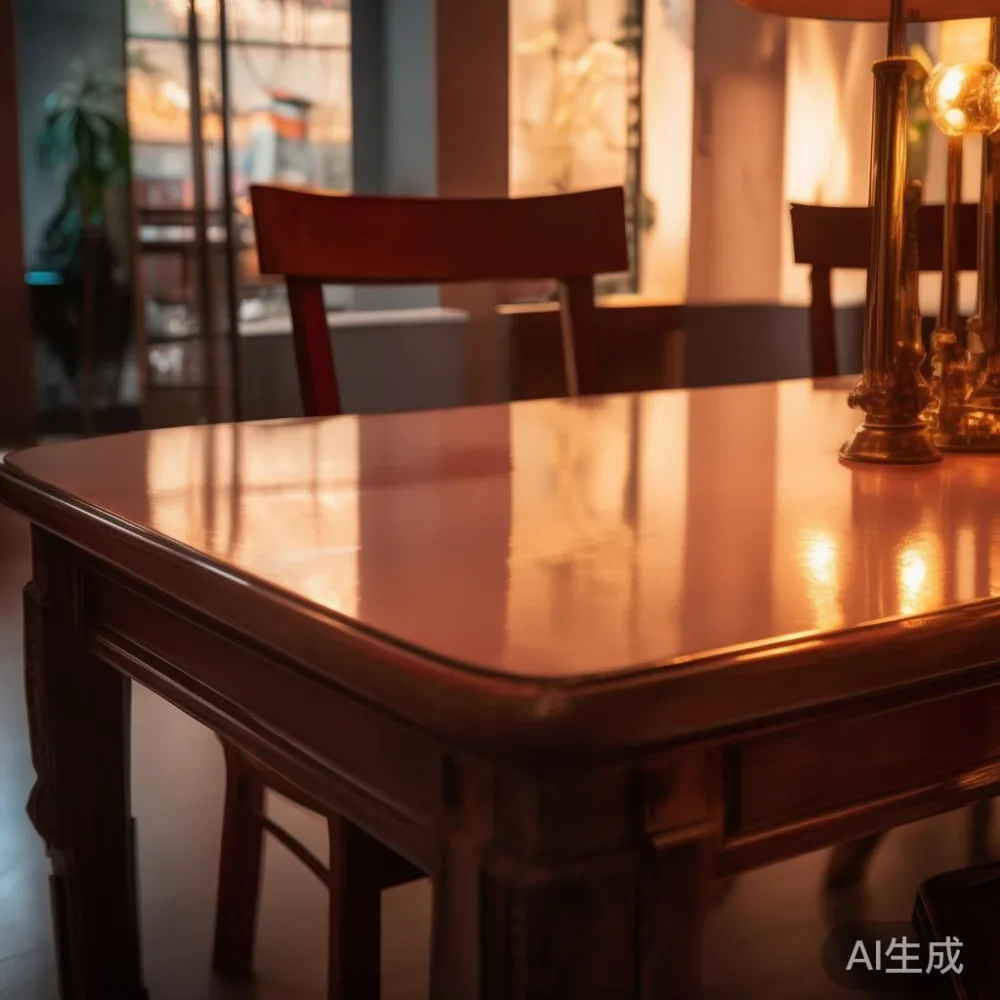
When selecting furnishings for an HDB flat, spatial constraints often dictate the size and shape of the items you bring inside. Corridor widths in older blocks measure approximately 1.2 meters, while newer developments in Punggol may offer slightly more space. Lift doors typically open to a width of 1.1 meters, which limits the dimensions of any large item entering the unit. A standard six-seater dining table often measures 180 cm in length and 90 cm in width. Moving such a piece requires careful planning to avoid scratching the lacquer during transit. Scratches incurred during delivery are difficult to repair without professional refinishing, making protective wrapping during transport a necessary step. Understanding these physical constraints helps homeowners prepare their living spaces before the furniture arrives.
Understanding Wood Movement in High Humidity
Wood is a hygroscopic material, meaning it absorbs and releases moisture from the surrounding air. In Singapore, where humidity levels consistently hover around 84%, solid wood expands during the wet season and contracts during drier periods. This movement can stress the lacquer coating if the wood underneath shifts too dramatically. High-quality manufacturers apply multiple coats of lacquer to stabilize the surface, often using five to seven layers to create a solid shield. Each layer adds approximately 0.1 mm of thickness, contributing to the durability of the piece. If the lacquer is too rigid, it may crack when the wood expands beneath it. Conversely, if the coating is too thin, moisture penetrates easily, causing warping.
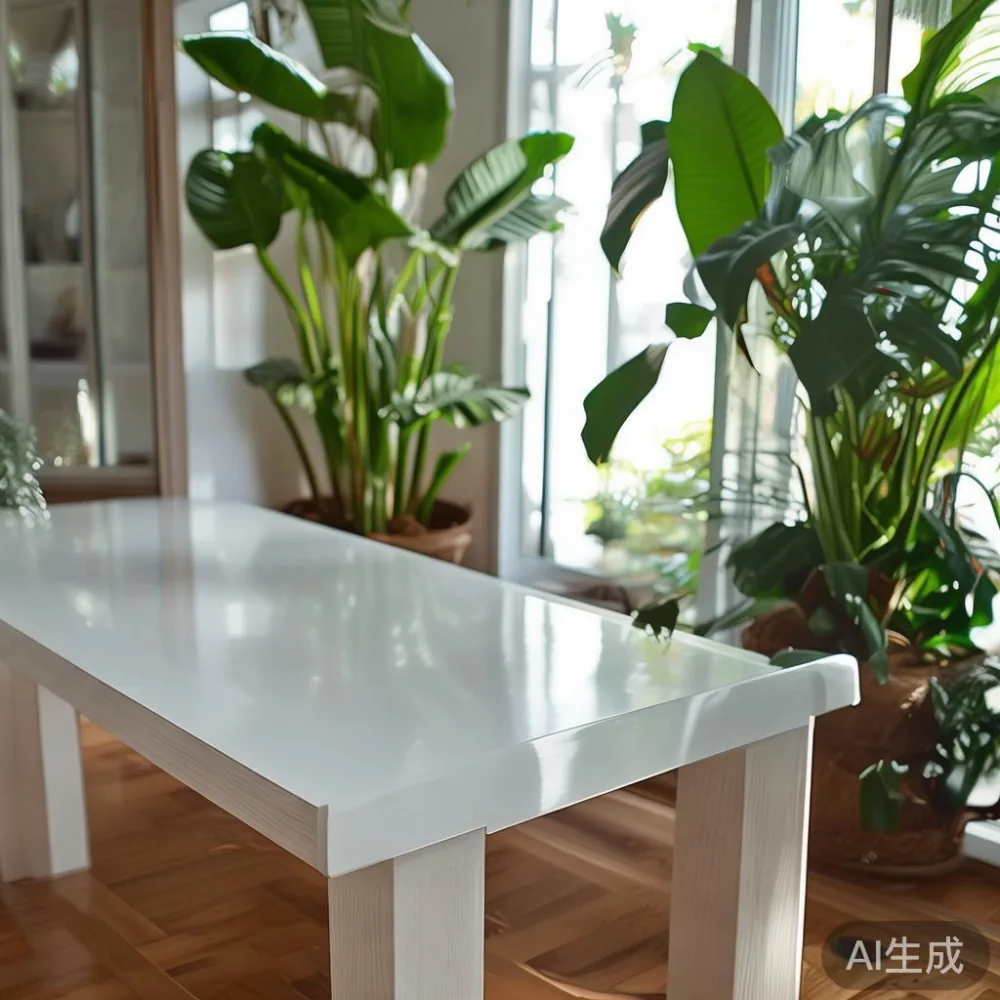
Last month I visited a client in Bedok who purchased a solid wood sofa and a matching dining table. The unit was located on the 15th floor of a newer condo building. During the inspection, I noticed minor clouding on the table surface near the window where direct sunlight heated the lacquer. The heat accelerated the evaporation of moisture from the wood, causing uneven expansion. We adjusted the placement of the piece to avoid direct afternoon sun, which reduced the thermal stress on the finish. This real-world example highlights how environmental factors within the home affect the material. Homeowners should monitor placement carefully, keeping wooden items away from air conditioning vents that blow dry air directly onto the surface. Consistent temperature and humidity levels help maintain the integrity of the lacquer over many years.
What is the difference between French provincial bed and modern furniture?
French provincial beds feature ornate carvings and curved lines, while modern furniture emphasizes clean geometry and minimal ornamentation. This distinction extends to the surface finishes used on each style. French light luxury designs often utilize distressed paints or thick lacquers to highlight intricate details, whereas modern pieces prefer smooth, high-gloss coatings that reflect light uniformly. When caring for these surfaces in a tropical climate, the texture plays a significant role. Ornate carvings trap dust and moisture more easily than flat surfaces, requiring more frequent cleaning with soft brushes. Smooth modern finishes wipe down quickly but show water rings and fingerprints more readily.
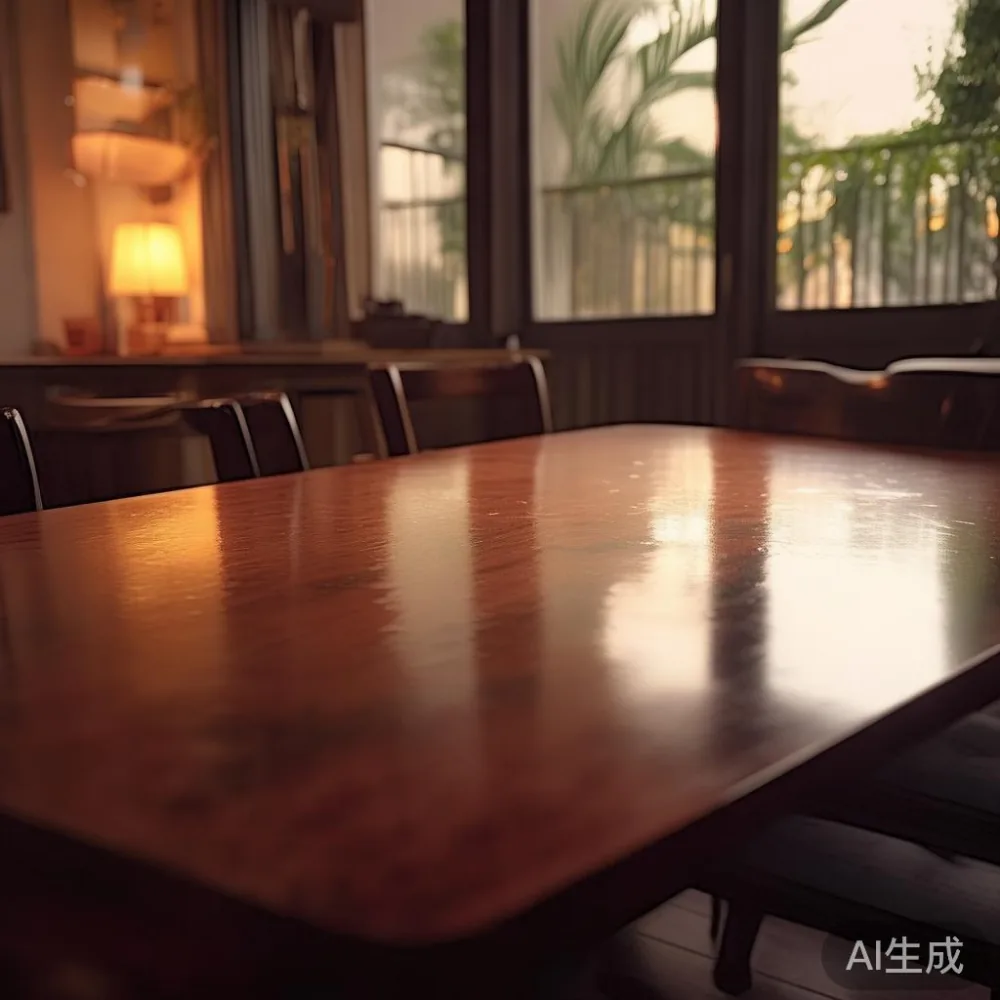
The care regimen for a French provincial bed frame differs from a sleek modern wardrobe primarily due to surface complexity. Intricate grooves need gentle agitation to remove buildup without damaging the aged look of the finish. Modern surfaces benefit from microfiber cloths that lift oils without leaving streaks. Regardless of the style, the underlying wood responds similarly to humidity changes. A nightstand made with traditional joinery will expand and contract just like a contemporary console. Homeowners should apply the same humidity control principles across all wooden items in the room. Using dehumidifiers to keep levels below 75% protects both ornate and minimalist pieces from long-term damage. The aesthetic choice depends on personal taste, but the maintenance requirement remains rooted in material science.
Daily Cleaning Protocols for Lacquer
Maintaining a lacquered dining table requires a consistent routine to prevent buildup of oils and dust. Use a soft microfiber cloth with a weight of at least 300gsm to ensure adequate absorption without scratching. Avoid using paper towels or rough fabrics that can leave micro-scratches on the glossy surface. For daily dusting, a dry cloth is sufficient to remove loose particles. Once a week, dampen the cloth slightly with water to wipe away sticky residues. Never spray water directly onto the wood, as droplets can seep into seams and cause swelling. Instead, mist the cloth lightly before wiping the surface. This method controls the amount of moisture contacting the lacquer.
For deeper cleaning, use a pH-neutral cleaner diluted at a ratio of 1 part cleaner to 10 parts water. Harsh chemicals like ammonia or bleach strip the protective topcoat, leaving the wood vulnerable to stains. Test any new cleaning solution on a small, inconspicuous area before applying it to the entire surface. If you spill wine or oil, wipe it immediately to prevent penetration. Lacquer provides resistance, but it is not impervious to prolonged exposure to liquids. A marble table might handle spills differently, but wood requires immediate attention. Keep coasters under all glasses and use placemats under hot dishes to prevent heat marks. Heat above 60°C can soften the lacquer, leaving permanent white rings. Protecting the surface from thermal shock preserves the clarity of the finish.
Working through HDB Lifts and Corridor Restrictions
Delivering large furniture into Singapore housing estates involves working through strict logistical constraints. Most HDB lifts have a internal depth of 1.4 meters and a width of 1.1 meters. A large dining table packaged in a box may measure 190 cm in length, requiring it to be angled diagonally to fit inside. Delivery teams often charge extra for flights of stairs if the lift is unavailable or too small. Standard delivery fees range from SGD 80 to SGD 150 depending on the distance from the warehouse to locations like Tampines or Jurong. GST at 9% applies to all transaction totals, so homeowners should factor this into their budget planning. Free shipping offers often apply to orders over US$350, which converts roughly to SGD 470 depending on exchange rates.
Condo corridors in areas like Punggol are generally wider than older HDB blocks, allowing easier maneuvering of bulky items. However, security protocols may require delivery personnel to register at the guardhouse, adding time to the process. Schedule deliveries during off-peak hours to avoid congestion in the lift lobby. Morning slots between 9 AM and 11 AM are usually less busy than evenings. Ensure someone is home to inspect the item upon arrival. Check for any dents or scratches on the lacquer before the delivery team leaves. Once the team departs, claiming damage becomes difficult. Documenting the condition upon receipt protects your investment. Proper logistics planning ensures the furniture arrives in pristine condition, ready for placement in your dining area.
Long-Term Protection and Warranty Coverage
Investing in solid wood furniture implies a commitment to long-term care and maintenance. Reputable makers offer structural warranties that cover joinery failures for up to 10 years. This coverage ensures that if the frame loosens or legs wobble due to manufacturing defects, repairs are covered. Some providers also offer lifetime refinishing services, allowing you to restore the surface if the lacquer wears down after years of use. Refinishing involves sanding down the old layer and applying new coats, restoring the piece to its original state. This service is valuable for heirloom pieces intended to last for generations. MIDHILL provides such support, ensuring customers receive ongoing assistance beyond the initial purchase.
Return policies typically allow 14 days for returns if the item does not match the description or arrives damaged. This window gives homeowners time to assess the fit and finish within their specific space. If a dining table clashes with the existing decor, returning it within this period avoids long-term dissatisfaction. When considering a purchase, compare the warranty terms against the price. A lower price might seem attractive, but limited warranty coverage increases long-term risk. MIDHILL maintains a standard of quality that supports these warranty claims, giving buyers confidence in the durability of the product. Whether you are buying a solid wood sofa or a simple console, check the terms carefully. Understanding the support available helps you make an informed decision that aligns with your expectations for longevity and service.
Global trends often influence local preferences, yet local conditions dictate care requirements. You might see trends like an Italian light luxury armchair canada listing, but local humidity demands different care. Post-modern light luxury styles gain popularity in Singapore due to their clean lines which suit smaller HDB spaces. These designs often incorporate metal accents that do not swell like wood, reducing maintenance needs. However, when wood is present, the care rules remain the same. A wardrobe with lacquered doors needs the same protection as a dining table surface. Consistency in care across all wooden items ensures a unified look and feel throughout the home. By adhering to these guidelines, homeowners can enjoy their furniture without worrying about premature degradation caused by the tropical environment.