What Actually Drives the Price of a Solid Wood Dining Table in Singapore
Walk into any Tampines or Bedok furniture showroom and you will see two dining table sg price tags that look almost identical — same rectangular top, same six chairs, same glossy brochure — yet one costs S$1,280 and the other S$4,600. I sat with the procurement team at MIDHILL in Foshan last month to find out why, and the answer turned out to be far less mysterious than I expected. Solid wood furniture pricing is a stack of physical, regulatory, and craftsmanship decisions, and once you can read that stack, the price on the tag stops feeling random.
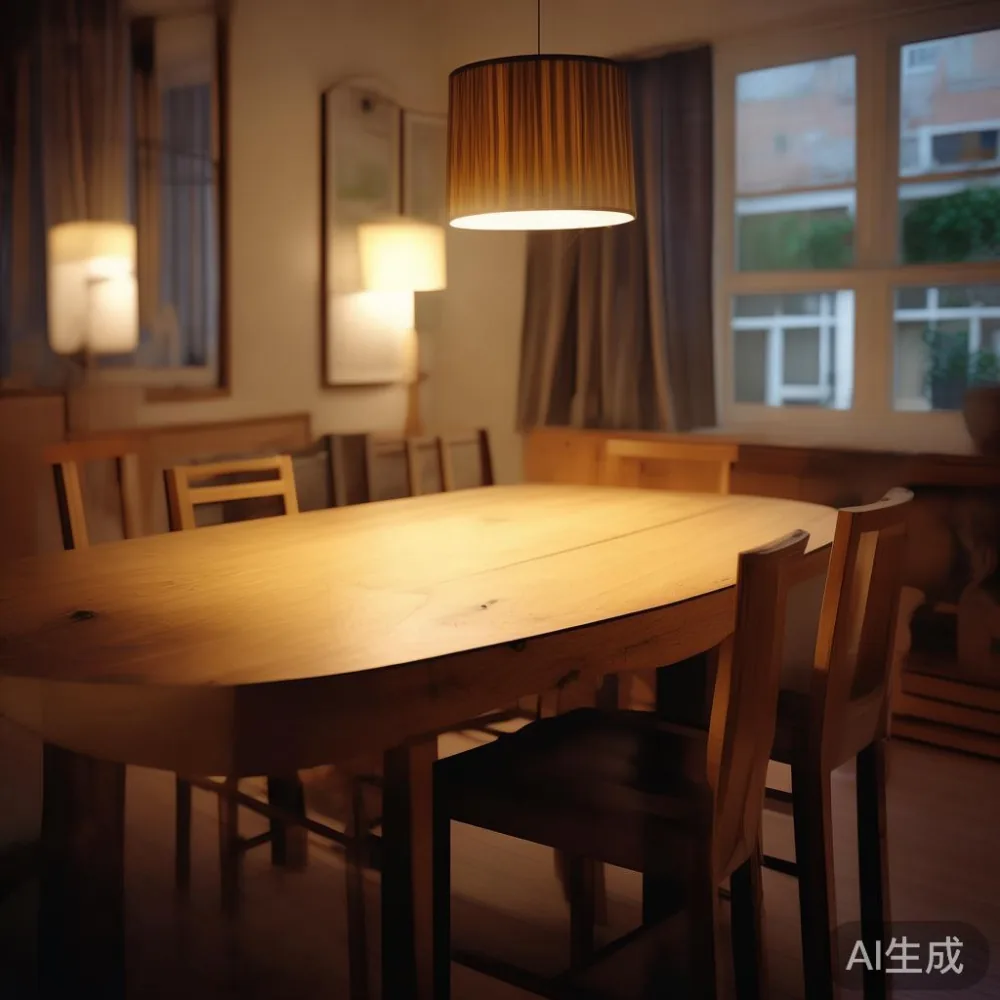
Is the wood really solid, or is it hiding something inside?
The single biggest price driver is the species and the cut. A 180cm dining table top in Chinese ash (Fraxinus mandshurica) costs the factory roughly 40% less than the same top in North American white oak (Quercus alba) or European beech. Walnut, often used for French light luxury dining sets, can push raw-wood cost up another 60% on top of oak. Heavier tropical hardwoods such as Burmese teak or African sapele sit at the top of the chart and are usually reserved for custom pieces, not showroom stock.
Then there is the honesty question: is the table built from solid timber throughout, or is it a veneer over MDF, plywood, or a finger-jointed core? A fully solid 4cm-thick oak top in a 1.6m table weighs around 55–65kg. If the same-size table weighs only 25kg, something is hollow on the inside. Mid-century and American light luxury designs often use solid walnut or ash frames with engineered centre panels — a legitimate construction method that keeps weight and warping risk down, and a good dining table sg retailer will tell you exactly which parts are solid and which are engineered.
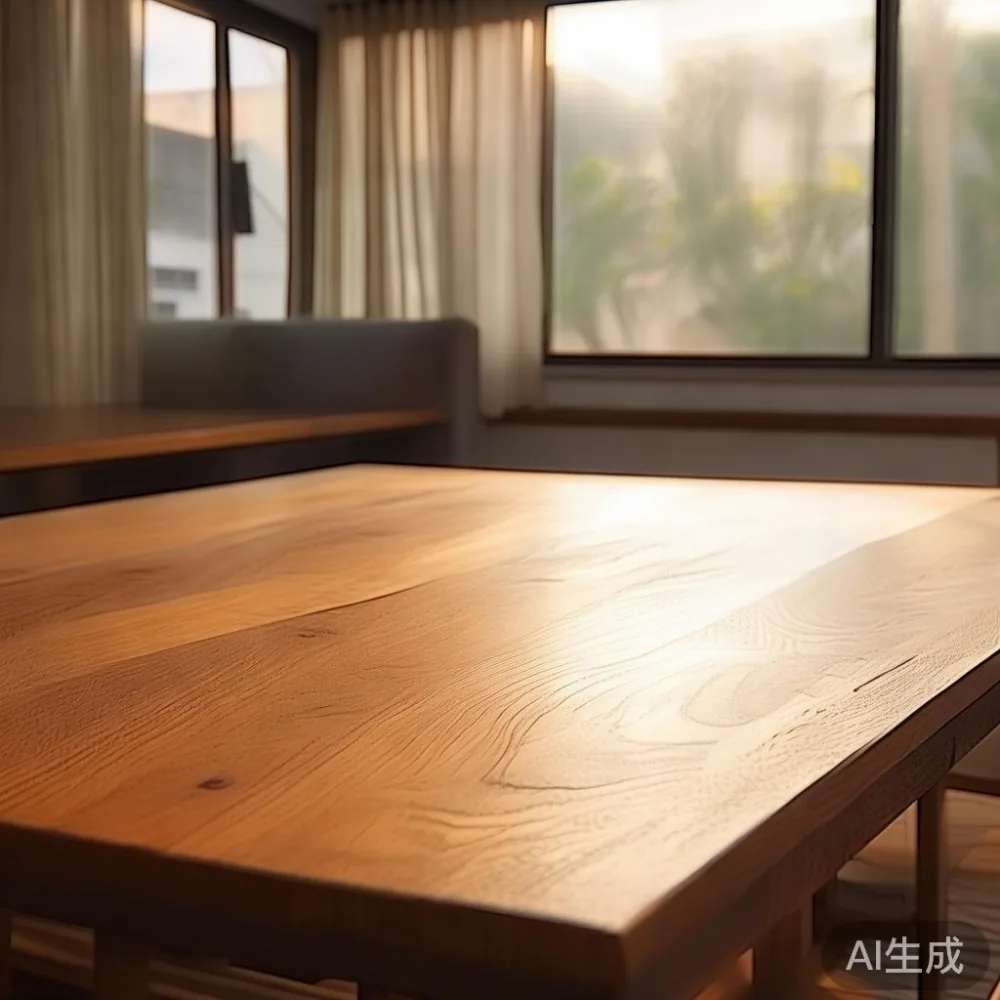
How much of the price is actually the wood, the joints, and the finish?
A rule of thumb I learned from the Foshan floor: in a S$2,200 solid wood dining table, the raw timber is roughly 25–30% of the factory cost, joinery and machining 20%, finishing 15%, hardware (hinges, drawer runners, extension rails) 10%, and the remaining 25–30% covers factory overhead, packaging, and warranty reserve. When you see a S$900 table, almost always at least one of these five buckets has been cut too thin — usually the finish or the hardware.
Joinery is where you can read quality at a glance. A true mortise-and-tenon or dovetailed corner, locked with a wooden dowel and hide glue, takes a skilled carpenter 45–60 minutes per joint. A knocked-in wooden dowel with a single screw takes 4 minutes. The dining table sg pieces that survive ten years of daily use in a Punggol HDB family — three kids, weekend hotpot, daily homework — are almost always the ones with hand-cut joinery under the apron. The chairs, by the way, fail before the table. A solid wood chair with stretchers between the legs costs more because three extra turned components have to be shaped and sanded, but it doubles the chair’s lifespan.
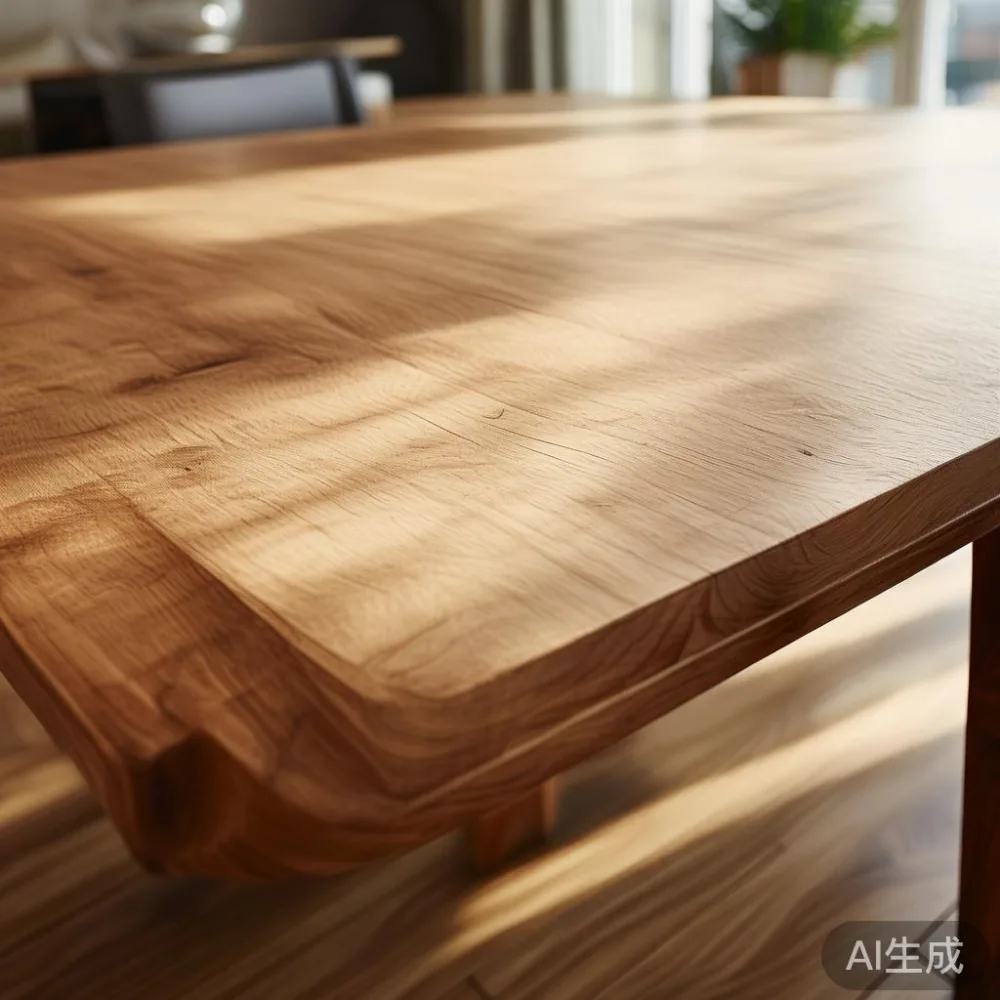
Finish matters more than most buyers realise. A 7-layer closed-pore finish (sealer, two stain coats, two sealers, two coats of conversion varnish or water-based polyurethane) costs the factory about four times what a single wax-oil rub costs. That is also why a French provincial with storage sideboard in a deeper matte finish, or a modern Italian light luxury furniture dining set, often looks richer — the depth comes from layer count, not from the wood itself.
Why does a Singapore dining table cost more than the same model overseas?
Three local factors push the Singapore number up. First, GST: 9% on the imported CIF value plus duty, applied at the point of customs entry. Second, the last-mile delivery problem. A 4-piece dining set in two cartons can weigh 90–120kg, and HDB lift openings are typically 2.1m high by 0.9m wide, while corridor turns at the staircase are tighter — 1.5m wide is a common pinch point in older Bedok blocks. A good Singapore logistics partner charges S$80–S$180 per floor move if a lift cannot be used, on top of a S$120–S$220 base fee for HDB delivery. Third, warranty exposure. A retailer offering a 10-year structural warranty has already priced in the cost of replacement parts shipped from China, and that reserve is real money — usually 6–8% of the selling price.
What should I actually look for in the showroom before I sign?
Use this checklist, ordered by what I have seen fail most often in Singapore homes:
1. Weight and balance. Lift one end of a 1.6m table. A solid oak top should feel like you are lifting a small motorcycle. Anything suspiciously light is hollow-core or finger-jointed offcuts.
2. End grain. Look at the underside of the table and the underside of any extension leaf. The grain pattern should be continuous, not interrupted by small blocks glued together. Small blocks indicate finger joints, which are fine for internal panels but a red flag on a structural top.
3. Drawer and extension hardware. A dining table sg piece with butterfly extensions should run on cold-rolled steel rails, not plastic. A solid wood sofa or bed frame in the same collection will also use the same hardware standard, so the extension rail is a quick proxy for build quality.
4. The chair stretcher test. Sit back hard on the chair and rock. If you can feel the legs flex, the stretcher is missing or has been screwed (not mortised) into the leg. Walk away.
5. The finish smell test. A properly cured conversion varnish or water-based finish has almost no smell after 72 hours. A sharp solvent smell after a week points to cheap NC lacquer that will yellow and check within two years in our humidity.
Last month I visited a Tampines condo where a couple had bought a S$1,050 ash dining set from a local online seller. The chairs creaked by month three and the table top had a 2mm crown by month ten — a classic case of thin timber (likely 1.8cm instead of 3cm) and NC lacquer instead of proper sealer. Replacing it with a properly built MIDHILL dining table in 4cm white oak roughly doubled their budget to S$2,600, but the second set is now four years in, used daily by two adults and a toddler who treats it as a craft table, and the top is still dead flat.
Does size and configuration really change the price that much?
Yes, and the math is not intuitive. A 1.4m four-seater in solid oak is the entry point. Going to 1.6m (six seats) typically adds 18–25% because the top needs wider, more expensive boards and a second set of apron supports. A 1.8m or 2.0m eight-seater adds another 20%, partly because the boards must be cut from larger trees — the wider the single-plank top, the more expensive the log. An extension mechanism (one or two butterfly leaves) adds S$350–S$900 depending on the rail quality.
Shape matters too. Round tables waste more wood than rectangular ones at the milling stage, so a 1.2m round oak top can cost 15% more than the same-diameter square. Marble table tops in the same showroom sit in a different cost bracket altogether — a 1.4m round travertine top alone costs more than a full solid wood dining set, which is why most Singapore buyers use marble only for side or coffee tables, not the main dining surface.
Is light-luxury solid wood actually affordable in Singapore?
Light-luxury — the French light luxury, American light luxury, and post-modern light luxury families — sounds expensive, but the category is defined by restraint, not by gold leaf. A light-luxury dining table uses clean lines, slim tapered legs, a matte or low-sheen finish, and one statement material such as a book-matched walnut top or a subtly veined marble inlay on a sideboard. The pieces look high-end because the proportions are disciplined and the materials are honest, not because they are rare.
For a Singapore household working with a S$2,000–S$3,500 dining-room budget, light-luxury solid wood is well within reach if you avoid the two cost traps: custom one-off production (always add 40% for tooling) and imported European brands (which carry 25–35% agent and freight mark-ups). Working directly with a Foshan factory such as MIDHILL, which has shipped to more than 15 countries since 2008 and offers lifetime refinishing plus a 10-year structural warranty, keeps the same construction standard while removing two layers of margin. Free shipping is usually triggered above roughly US$350 (around S$475), and 14-day returns are standard in this segment.
How does solid wood compare with engineered or veneer alternatives at the same price?
At S$1,200 you can buy a perfectly good engineered-wood dining table with an oak veneer top and powder-coated steel legs. It will look almost identical to a S$2,200 solid oak table on day one. By year three, the differences are visible: the veneer can chip at the edges if a chair hits the same spot repeatedly, the substrate can swell if a wet glass is left overnight, and the surface cannot be sanded and refinished the way a solid top can. A solid top, by contrast, can be sanded down 1–2mm and re-finished two or three times across a 30-year life — which is the practical meaning of the lifetime refinishing warranty that some Singapore sellers (including the one I visited) include.
So what is a fair price for a decent solid wood dining table in Singapore?
Based on the factory cost stack and the Singapore delivery overhead, a realistic 2025–2026 range for a 1.6m six-seater in solid ash, beech, or rubberwood is S$1,400–S$1,900; the same size in solid white oak is S$2,400–S$3,400; in solid walnut, S$3,800–S$5,500. If you see a 1.6m solid oak table below S$1,800, ask about the leg construction, the finish system, and the warranty before you assume it is a bargain. If you see one above S$4,500 with no marble top, you are likely paying for a Singapore showroom’s three-year rent, not for the wood.
For buyers who also want matching pieces, the same logic applies across the bedroom and living room. A solid wood bed frame in oak should sit at roughly 60–70% of the dining table price, a wardrobe 1.6–2.2x the dining table price, and a nightstand around 25–35%. These ratios line up with what I saw in the Foshan order books for a Tampines couple furnishing a four-room HDB over six weeks. If you are searching for the best Modern wardrobe for 2026 or comparing under 2000 Boho furniture sets, the same wood-grade and finish-grade rules apply, and a solid wood sofa at S$2,200 and up will use identical oak as the dining set if you want a coherent look.
What about trends for 2026 — should I wait or buy now?
Three directions are clearly gathering momentum in Singapore order books for delivery in 2026. The first is modern Mid-century modern furniture — slim splayed legs, 2.5cm-thick tops, natural oil finishes, usually in ash or walnut. The second is French provincial with storage sideboards in a softer, bleached oak palette, which suits HDB flats because the lighter tone makes compact dining corners feel larger. The third is the broader light-luxury wave — modern Italian light luxury furniture profiles with a marble-inlay accent on an otherwise all-oak table, typically priced between S$3,200 and S$4,800 for a six-seater.
Freight rates from South China to Singapore are currently stable, oak and ash log prices have softened about 8% year-on-year, and the SGD/CNY rate has been range-bound. None of those three indicators suggest a meaningful price drop in the next two quarters, so if you have measured your dining corner (leave at least 90cm behind each chair for comfortable push-back in a typical 3.2m x 2.8m HDB dining area), there is little reason to wait. If you are still deciding between a 1.4m and a 1.6m, and your family regularly hosts five or more, the 1.6m will earn its keep within a year — and a properly built solid wood table is the kind of piece that quietly outlasts the renovation cycle around it.
Frequently asked questions from Singapore buyers
How long should a solid wood dining table really last? With a proper conversion-varnish or oil finish and one refinish at year 10, a solid oak or ash table should give 25–30 years of daily family use. Walnut and teak run longer, often 40+ years.
Is the higher SGD price worth it for an oak table over an ash one? If you prefer a cooler, more contemporary grain, yes — oak is the default for light-luxury and modern Italian light luxury furniture profiles. If you prefer warmer tones and a more visible grain pattern, ash delivers most of the same structural performance at a lower price point.
Can a 90kg solid table be delivered to a high-floor HDB without a lift? In almost every modern Singapore block, yes — the cargo lift will take it. In older Walk-up blocks, the corridor turns and stair width will determine whether the carton can pass; a reliable seller will send a surveyor before charging you.
What about the sofa, bed frame, and nightstand in the same collection? Buy them together. A solid wood sofa, bed frame, and nightstand from the same factory, in the same wood batch and finish batch, will colour-match far better than pieces sourced months apart, and you will usually save 8–12% on a full-room package.
Where do I actually start? Measure your space, decide on your wood species and finish family, then shortlist two or three Singapore sellers who will give you the full breakdown — wood grade, thickness, finish system, hardware, warranty, and delivery scope. The price stops feeling like a guess the moment those six line items are in front of you, and a 1.6m solid oak dining table sg in the S$2,400–S$3,400 band is a fair, well-supported target for most households shopping in 2025 and into 2026.