Humidity and Solid Wood Dining Tables in Singapore: A Complete Guide for HDB and Condo Owners
Last November, I visited a friend in a 4-room HDB flat in Tampines. She had bought a beautiful solid wood dining table sg just eight months earlier from an online seller, and the tabletop already showed a 2mm gap along one of the breadboard ends. Her air conditioner had been set to 25 degrees most nights, while afternoon humidity inside her unit regularly hit 78 percent. The table was not defective. The problem was that nobody explained to her how Singapore's climate actually behaves around solid wood, and how her daily habits either fought the swelling or fed it. That afternoon, running my hand across the surface and talking through the moisture readings on her cheap hygrometer, I realised most buyers in Singapore never get a real conversation about humidity before they spend SGD 1,800 or more on a dining table they expect to keep for a decade.
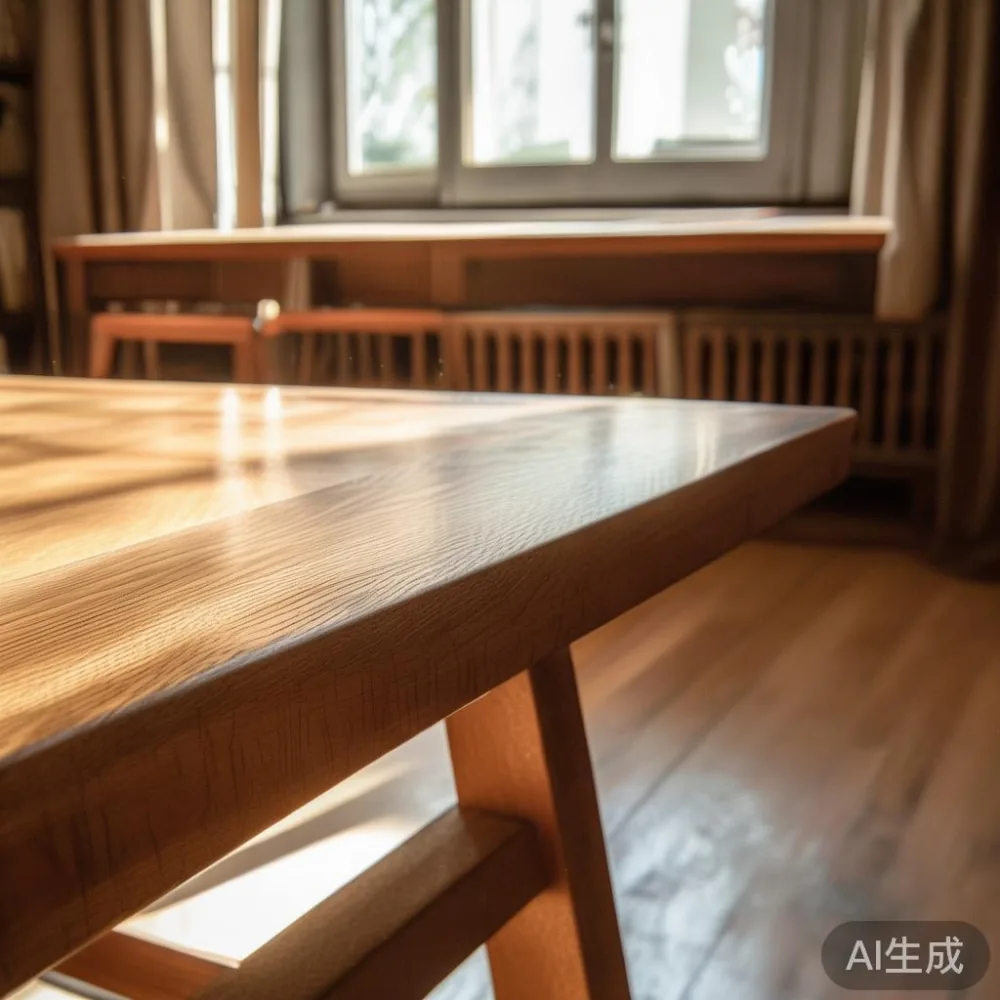
This guide is the conversation I wish she had on day one. We will cover how humidity moves through a HDB flat, what it does to specific species like rubberwood, oak, ash, and walnut, how to read seasonal patterns, and how to choose pieces like a dining table, a solid wood sofa frame, a bed frame, a wardrobe, or a nightstand that will stay quiet and stable for years. MIDHILL, a Foshan workshop producing solid wood furniture since 2008 and shipping to more than 15 countries, has shared field notes from their Singapore deliveries that help anchor many of these numbers.
What does Singapore's humidity actually do to a solid wood dining table?
Solid wood is hygroscopic. It absorbs and releases moisture from the air, and as it does, it swells and shrinks across the grain. In a Tampines HDB that is closed up during a wet spell, indoor relative humidity can climb to 78 to 82 percent. In a bedroom running a 24-hour fan and a dehumidifier at 50 percent, the same panel can drop to 48 percent within a day. That is a swing of more than 30 percentage points, and it is what causes problems.
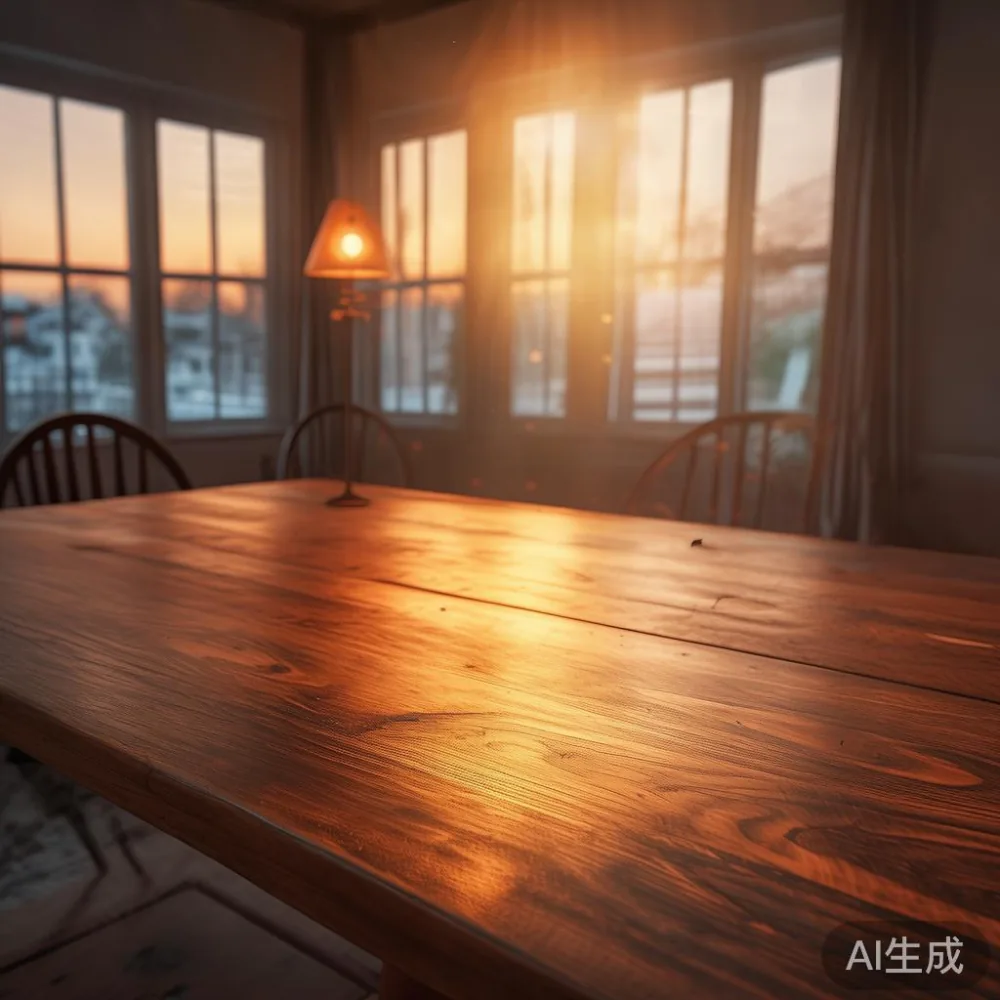
The risk is real. Wood moves roughly 1 percent across the grain for every 4 percent change in moisture content. A 120cm oak table top can change by around 7 to 9mm across its width over the course of a single year in a Singapore flat. In a 6-seater design that is normal seasonal movement. In a poorly dried slab or a poorly jointed top, that becomes a crack, a cupped edge, or a split along a glue line. The fix is rarely a new table. The fix is matching the wood to the room.
Is a wardrobe sg worth the price in Singapore, given the humidity?
A well-built wardrobe sg is absolutely worth the price in Singapore, because cheap flat-pack wardrobes tend to fail within three to five humid years, while a properly dried, properly joined solid wood wardrobe can serve a household for fifteen to twenty years, making the lifetime cost much lower despite a higher sticker price.
Consider the arithmetic. A basic laminate wardrobe from a large furniture chain in Singapore retails around SGD 899 to SGD 1,400 for a 1.8m two-door design. Within 36 to 48 months you often see swollen chipboard shelves, peeling edge banding, and sagging rails. A MIDHILL solid rubberwood wardrobe in the same footprint runs roughly SGD 2,400 to SGD 3,200 delivered. Divided over fifteen years of reliable use, the annual cost is about SGD 160 to SGD 210, compared with replacing a budget unit two or three times. Add GST at 9 percent and delivery up a typical HDB lift with 80cm-wide doors, and the equation does not change much. Quality wood, properly dried, pays for itself in this climate.
The storage inside matters too. A 60cm-deep cabinet, hanging space of 105cm, and three adjustable shelves give you roughly 0.9 cubic metres of usable volume. That is enough for two adults in a Bedok condo, and the panels will stay flat if you keep indoor humidity between 45 and 60 percent.
How does humidity move through a HDB flat or condo in Singapore?
Most Singapore buyers underestimate how air-conditioned spaces behave. Outside, the daily average relative humidity sits between 73 and 84 percent for most of the year. Inside, three zones form:
- The living room with intermittent air conditioning: 60 to 72 percent most days.
- The master bedroom running a 1.5-horsepower inverter unit overnight: 48 to 55 percent by morning.
- The kitchen and service yard near a window that opens during cooking: spikes to 80 to 88 percent whenever the door is open.
Solid wood adapts to its immediate zone, not to the whole home. A dining table in an open-plan Punggol condo can sit happily at 62 percent while a nightstand in the same home, two metres away but in a sleeping corridor, cracks because the bedroom runs dry. This is why matching the species to the room is the real skill.
For most HDB layouts, rubberwood is the safest all-rounder for dining tables, bed frames, and wardrobes. It is plantation-grown, kiln-dried to 8 to 10 percent moisture content, and dimensionally stable within the 50 to 65 percent humidity band that an air-conditioned Singapore home provides. White oak is slightly more dramatic in figure but accepts the same band. Walnut runs warmer in tone and feels softer under the hand, so it asks for steady 55 percent indoor humidity. Ash handles swings better than most hardwoods and is a comfortable match for a family that rarely runs the air conditioner.
Which species behave best inside an air-conditioned Singapore home?
For most households, four species do almost all the work. Rubberwood for a tight budget at SGD 1,200 to SGD 1,800 for a standard six-seater dining table. White oak at SGD 2,800 to SGD 4,200 for a heavier statement piece. Ash at SGD 2,400 to SGD 3,600 for a bright, family-friendly look. Walnut at SGD 3,500 to SGD 5,800 when you want something quieter and more elegant. A stone or marble table top in sintered stone or Carrara marble sits in a different humidity story, since stone does not move with moisture, and pairs well with a solid wood base for a light luxury mixed-material look.
Build quality separates a piece that survives five years from one that survives twenty. Look for these five details in any dining table sg you consider buying:
- Boards between 4 and 8cm wide: narrow planks move less than wide slabs.
- Mortise and tenon or dowel joinery at the apron to leg connection, not just screws.
- A floating top that is screwed through elongated holes, so the top can expand and contract freely.
- Finishes that still let the wood breathe, such as hardwax oil, rather than thick polyurethane seals.
- Visible end grain checks during delivery: a clean end is a sign the wood was dried slowly.
How should you care for a dining table, bed frame, or wardrobe in a Singapore home?
A simple routine keeps every piece stable. Buy a SGD 25 digital hygrometer for each main zone and aim for 45 to 60 percent all year. Run the air conditioner in dry mode on the afternoons when the PSI is below 60, or use a small dehumidifier that pulls about 8 to 12 litres a day, refilling it once a week. Wipe tabletops with a barely damp microfibre cloth, never soaking the surface. Keep coffee cups on coasters, and within a year the table will hold the patina you want without the white rings you do not. Rotate the seating around the table every few months so one panel does not sit in the sun all afternoon, since direct UV will bleach oak and darken walnut unevenly.
For a solid wood sofa, the rule is the same. A kiln-dried rubberwood frame at 8 to 10 percent moisture, wrapped in high-resilience foam at 32 to 35 kg per cubic metre, topped with a removable linen-cotton cover you can wash at 30 degrees, will last twelve to fifteen years in Singapore. Lift access matters: a typical HDB lift door is roughly 80cm wide and 210cm tall, and a 2.4m three-seater frame comes in two boxes around 125 by 65 by 40cm each, so plan the path before the truck arrives. MIDHILL drivers have mapped the lift wells of Tampines, Bedok, and Punggol enough to know which blocks have tighter corners than others.
For a bed frame, choose a slatted base with at least 24mm clearance under the mattress. Air movement under a king mattress stops mould on the underside of the foam. For a nightstand, leave a 3 to 5cm gap from the back wall so the panel can breathe. For a wardrobe, anchor the top to the wall with the supplied L-brackets; a 2.1m tall unit can topple in a tremor or under climbing children, and the few minutes of drilling prevent a much larger headache.
Why are some dining tables cheaper to ship and easier to maintain?
Two reasons drive total cost in Singapore. First, shipping volume. A flat-pack dining table sg can travel in two cartons totalling 0.35 cubic metres, while a fully assembled 1.6m table can need 0.9 cubic metres and exceed the 220cm maximum length rule for many courier services. MIDHILL ships flat-pack across most of South-East Asia, with free delivery above US$350 (about SGD 480) and a 14-day return window once the cartons are opened. Transit from Foshan to a Tampines door typically runs 12 to 18 working days, and a two-person white-glove team will install the table in 35 to 50 minutes.
Second, the finish. A hardwax oil finish costs SGD 60 to SGD 90 to apply at the workshop, but it lets you spot-repair scratches with a small tin of the same oil in fifteen minutes. A polyurethane seal looks glossier in the showroom but usually means a full refinish at a workshop after seven to ten humid years. MIDHILL offers a lifetime refinishing service on the core range, which over twenty years adds up to two or three professional refreshes at no labour cost.
Frequently Asked Questions
Is a dining table sg made from rubberwood durable enough for daily family use? Yes. Rubberwood kiln-dried to 8 to 10 percent moisture content, used in a frame with mortise and tenon joinery, handles daily family use for fifteen to twenty years indoors in Singapore.
How long does delivery take from Foshan to a Singapore address? For in-stock pieces, 12 to 18 working days. Custom sizes add seven to ten working days, and a six-seater table usually arrives in two cartons weighing 38 to 46kg combined.
What warranty comes with a MIDHILL solid wood piece? A 10-year structural warranty on frames, drawers, and joinery, lifetime refinishing on the core range, 14-day returns on standard pieces, and free shipping on orders above US$350 (roughly SGD 480).
Can a marble table top work in a HDB kitchen? Sintered stone or sealed Carrara marble works well if you keep it away from standing water and acidic spills like calamansi juice. Wipe spills within ten minutes and the surface will hold its polish for years.
Do I need a dehumidifier for solid wood furniture in Singapore? If your home sits above 65 percent humidity for more than three weeks at a stretch, yes. A 12-litre daily unit costs around SGD 180 and protects every wood piece in the home, including the bed frame, wardrobe, and dining table.
A short checklist before you click buy
Match the species to the room. Confirm the moisture content at delivery is between 8 and 10 percent on a calibrated meter. Choose hardwax oil over thick polyurethane when the budget allows. Keep indoor relative humidity in the 45 to 60 percent range. Plan the lift access, the corridor turns, and the staircase before the truck arrives. With those five points handled, a solid wood dining table in Singapore is one of the calmest, longest-lasting purchases a household can make, and a piece that will quietly hold family dinners for the next fifteen years.