How to Style a Compact Singapore Apartment Without Making It Feel Crowded
Last month I visited a 4-room HDB flat in Punggol that had been owned by the same couple for nine years. When they moved in, the living room held a bulky three-seater sofa, a chunky TV console, and a six-chair dining table that they used twice a year. The room measured roughly 18 square metres, the corridor leading to the lift lobby was only 1.2 m wide, and yet every piece of furniture felt oversized. After we replaced the sofa with a slim solid wood sofa frame, swapped the dining table for a 140 cm extendable model, and removed two unused cabinets, the same space looked visibly larger and, more importantly, it felt calmer. That visit is the starting point for everything below.
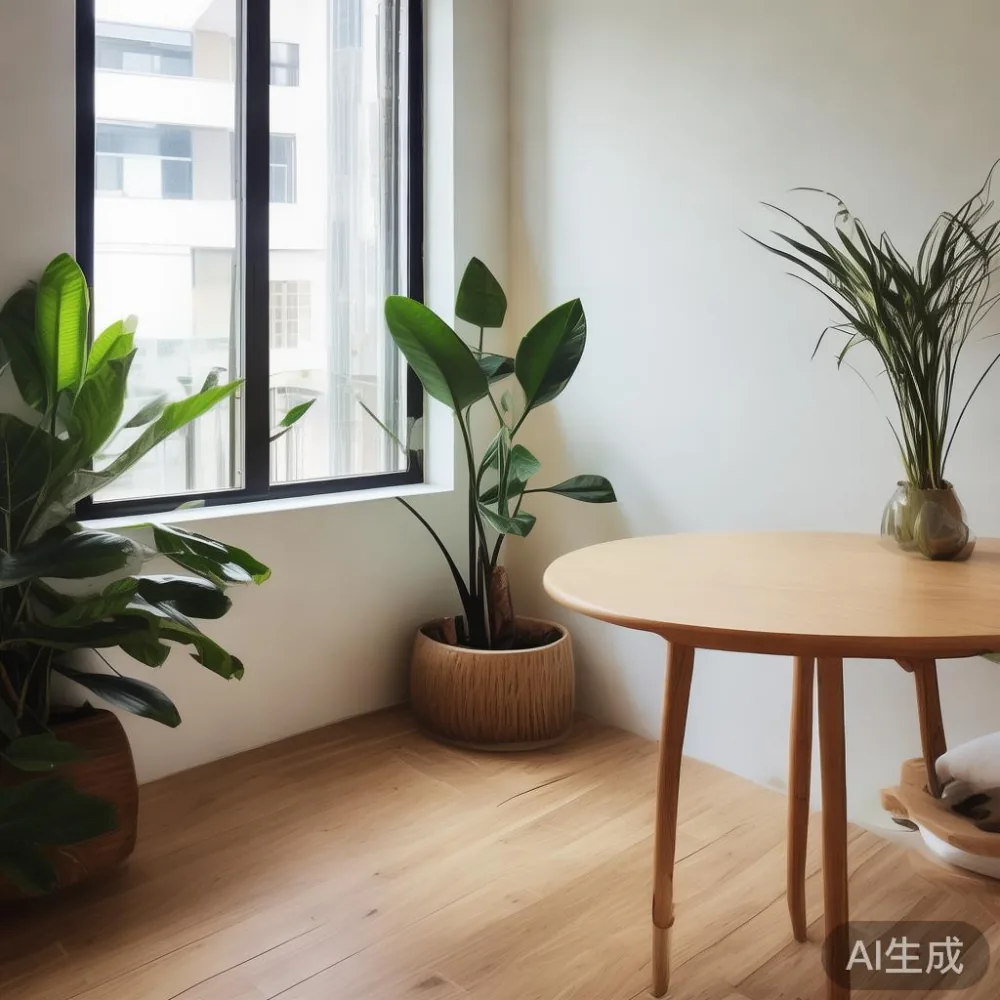
Why most small Singapore apartments end up feeling crowded
Most compact flats in Tampines, Bedok, and Punggol share the same problem: too many pieces, each fighting for the same 1.2 m walkway. A typical 4-room HDB living room sits between 16 and 22 sqm. Once you add a 2.4 m three-seater sofa, a 180 cm dining table, and a 60 cm deep TV console, the room loses half its breathing space before you place a single lamp.
The lift situation matters too. Most HDB and condo service lifts have an internal depth of about 1.5 m and a door width of around 0.9 m, so any piece longer than 2.2 m or wider than 0.85 m usually needs to be delivered sideways or hoisted through a window, which adds 0 to 80 SGD per trip. Buyers who ignore these measurements end up paying for furniture that cannot enter the flat at all. MIDHILL checks the access route before dispatch, which is one of the small reasons the brand has shipped to 15+ countries without a steady stream of access complaints.
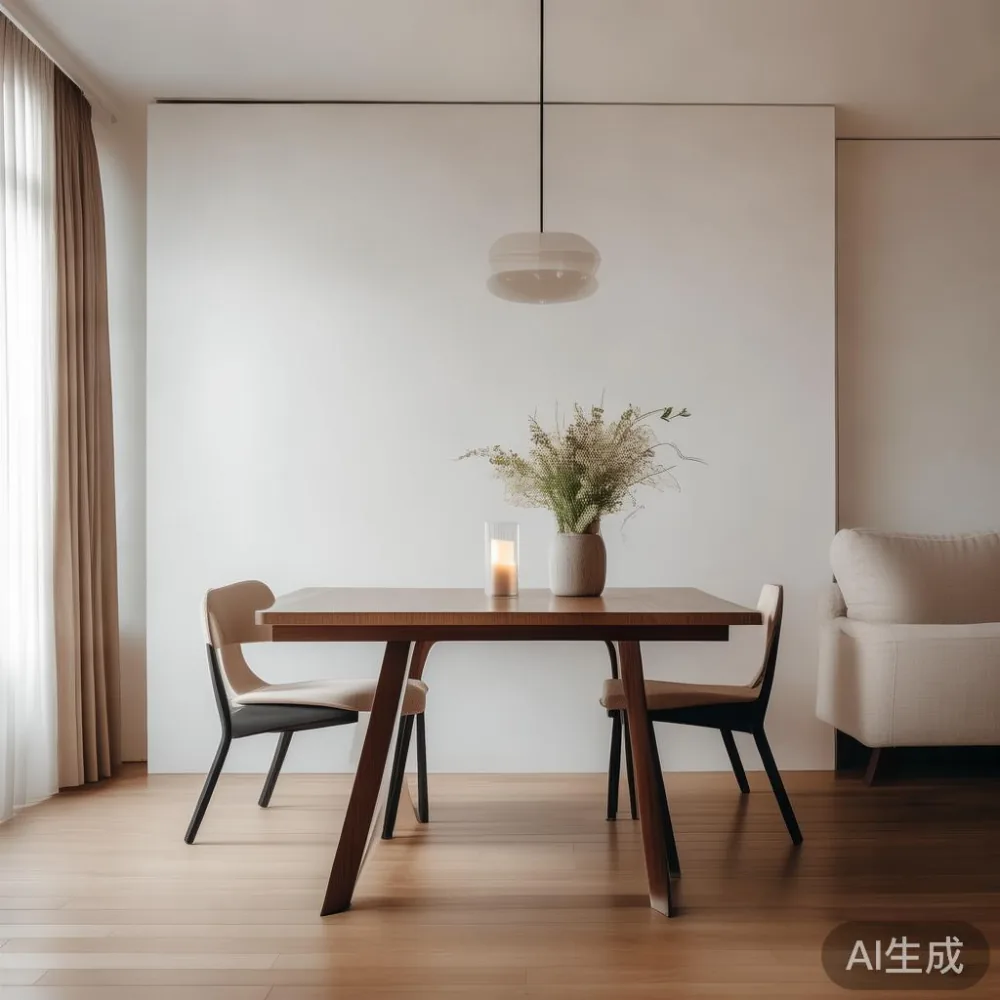
What dimensions actually work in a compact HDB or condo flat?
Working numbers beat vague advice every time. For a 4-room HDB or a 60 to 75 sqm condo, a sensible starter set looks like this:
- Sofa length: 1.8 to 2.1 m, seat depth 55 to 60 cm, frame weight under 65 kg so two movers can carry it through a 0.9 m door.
- Dining table for daily use: 120 to 140 cm long, 75 cm wide, seating four without elbows touching. For weekend hosting, an extendable top that opens to 160 or 180 cm is the sweet spot.
- Wardrobe depth: 55 to 60 cm so the door can still open past the bed.
- Nightstand: 40 to 45 cm wide, with at least one drawer.
- Marble table for the entry or coffee zone: 90 to 110 cm round or 100 x 50 cm rectangular, which keeps the corridor clear.
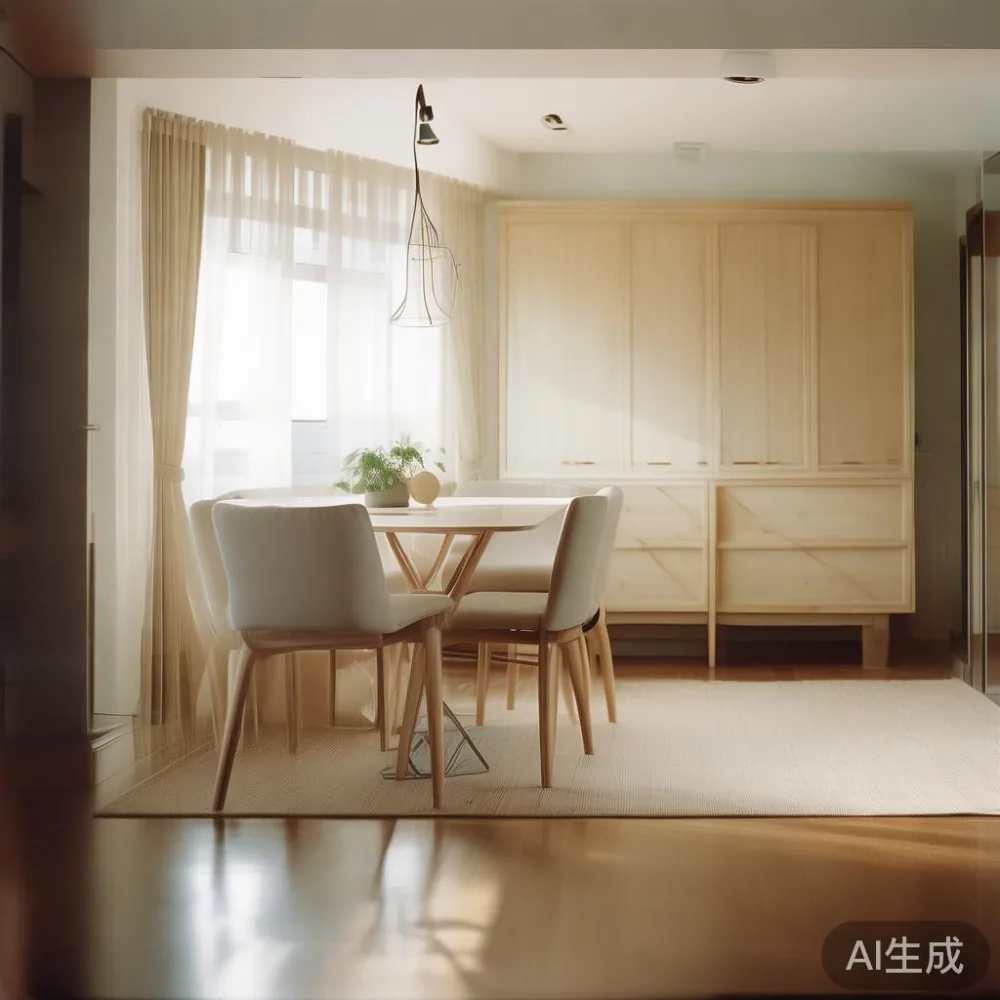
If you are searching for a dining table sg that fits these measurements, the 140 cm extendable version in solid ash or walnut will seat four on weekdays and six on weekends, and the top will not warp if you clean it with a damp cloth within 24 hours of any spill.
How do I pick a dining table that fits my HDB flat and lift access?
This is the question my Punggol neighbour asked me three times in one afternoon. The honest answer is that you start with the lift, not the showroom floor. Measure your lift door (usually 0.9 m wide) and your lift car depth (around 1.5 m). Anything over 1.6 m long will probably need to travel on its side, which means you need a detachable leg base rather than a single welded frame.
Next, measure the shortest path from the lift lobby to your dining corner, including the front door (typically 0.9 to 1.0 m wide) and any 90-degree turns. A 140 cm table with a 75 cm wide top will pass through any standard HDB door on its side, while a 180 cm fixed-top table often will not. The clearance between the table edge and the nearest wall should stay at 70 to 80 cm on every side, so diners can push their chairs back without bumping the wall or the person behind them.
For shoppers who want a coastal for dining room feel, a 140 cm solid ash top with a soft whitewash finish and tapered oak legs reads lighter than dark walnut and reflects more of Singapore's natural daylight, which is the easiest way to make a small dining corner feel bigger. Pair it with two benches instead of four chairs and you gain one extra seat while keeping the floor open.
Light luxury, explained in plain language for Singapore flats
Light luxury is not a single style; it is a family of three looks that are popular in local showrooms right now. French light luxury leans on curved silhouettes, soft cream fabrics, brass-tipped legs, and quiet marble details, all of which read soft rather than heavy. American light luxury goes the opposite way: deeper walnut tones, thicker cushions, and broader armrests, but still with restraint rather than ornament. Post-modern light luxury mixes both, adding geometric legs, mixed-material tops, and the occasional smoked-glass accent. Each of them can work in a 60 sqm flat if you pick the lightest colour in that family.
When clients ask about styling a European light luxury wardrobe in room, the same rule applies. A floor-to-ceiling wardrobe in a 12 to 14 sqm master bedroom should stay under 2.4 m tall, 2.0 m wide, and 60 cm deep, with mirrored sliding doors that reflect the window. The reflection of the window alone makes the room read roughly one-third larger in human perception, which is why most MIDHILL wardrobes sold in Singapore are configured with sliding rather than hinged fronts.
If you are researching how to choose light luxury wardrobe, focus on three numbers: panel thickness (at least 18 mm for stability in our humidity), internal depth (55 to 60 cm so hangers can swing freely), and the weight of the doors. A sliding door set over 2 m wide should still glide with one finger, otherwise the rollers will not last five years in our climate.
Material choices that survive Singapore humidity
Singapore sits between 70 and 90 percent relative humidity for most of the year, and our afternoon temperatures regularly cross 32°C. Flat-pack MDF swells within 18 months if it sits against an exterior wall, which is why solid wood, plywood with a proper veneer, or powder-coated metal are the only materials I recommend for long-term pieces. A solid wood sofa frame in ash, oak, or rubberwood will outlast a fabric-only frame by 8 to 12 years, and the frame can be re-stained rather than replaced.
For dining tops, solid ash or walnut at 25 to 28 mm thick gives the best feel under the hand and resists cupping. Marble tables are heavier (a 120 cm round marble table can weigh 70 to 90 kg), so they belong on the ground floor or in a corner condo where the floor loading can handle the weight. In an upper-floor HDB unit, a marble-look sintered stone top on a solid wood base gives the same visual at roughly 40 percent of the weight.
Fabric choices matter too. Performance linen and boucle with a rub count above 30,000 will hold up to daily use and the occasional food stain. Anything below 15,000 rubs will pill within a year in our climate. Leather is fine for dining chairs if you wipe it weekly, but avoid unprotected aniline in a flat with afternoon sun, because the colour will fade unevenly within six months.
Storage tricks that keep a small flat uncluttered
The fastest way to make a small apartment feel crowded is to leave everyday items in plain sight. Three small changes will reclaim about 1.5 to 2 sqm of visual space:
1. Lift the dining table off the floor with a 12 to 15 cm gap between the legs and the base, so you can see the floor run continuously underneath. A solid base that sits flush to the ground always looks heavier than a raised one, even at the same size.
2. Replace two open shelving units with one closed cabinet that runs the same width. Open shelves look neat for the first week and then collect small items. Closed doors hide the clutter.
3. Choose a nightstand with two drawers rather than an open shelf. Phones, chargers, and books all disappear behind a drawer front, which makes the bedside read calmer at the end of a long day.
If you are browsing wholesale European light luxury furniture ranges for a project or a multi-room fit-out, ask the supplier for the same construction details a retail buyer would ask for: dovetail joints, full-extension drawer runners rated to 45 kg, and a finish that has been cured rather than air-dried. These three points are what separate a piece that lasts 10 years from one that wobbles after three.
Layout patterns that actually work in a Tampines or Bedok flat
Three layouts cover most compact Singapore homes. The first is the L-shape living-dining: place the dining table sg against the kitchen wall, run the sofa parallel to the dining zone, and let the TV console sit on the short wall between them. This keeps the central corridor at 90 cm and lets light travel from the window to the entry door.
The second is the linear layout for narrow living rooms, where the dining table sits behind the sofa at a 90-degree angle, almost like a partition. A 120 x 60 cm console behind a 1.8 m sofa gives you a four-seat dining area without adding a single square metre. The third is the island layout for open-plan condos in Punggol or Sengkang, where a 140 cm dining table doubles as a work surface during the day and a dinner table at night.
For seating, an Italian light luxury accent chair in cream boucle, placed at the head of the dining table or beside the marble table, lifts a neutral scheme without adding bulk. One accent piece is plenty; two start to compete with the dining chairs and the room loses its focal point.
Colour, light, and the small details that change everything
Colour is the cheapest way to expand a room. Pale oak, soft white, warm grey, and dusty sage all reflect light rather than absorb it. Dark walnut has its place, but keep it to one piece per room so the eye does not feel pulled downward. A dining top in natural ash, for example, will look brighter next to a charcoal sofa than a walnut top in the same position.
Lighting does the rest. A 3,000 K warm-white ceiling light (around 24 to 30 watts LED for a 16 sqm living room) keeps the room cosy without going yellow. Add a 1.5 m floor lamp beside the solid wood sofa and a small 25 cm table lamp on the nightstand, and you have three light levels that you can mix through the evening. Mirrors, as mentioned earlier, should sit perpendicular to the window rather than opposite it; that way they catch the moving daylight rather than a flat reflection.
Plants are useful but keep them to two or three. A 1.2 m fiddle-leaf fig in a 30 cm planter, plus a small trailing pothos on the dining table sg corner, is plenty. More than that and the room tips from "calm" to "crowded" in a 16 sqm space.
Budget, GST, and what you actually pay at the door
For a sensible small-flat set in solid wood, expect to spend roughly 5,800 to 9,500 SGD including GST, depending on the dining top and the wardrobe size. A typical set might be a 140 cm extendable dining table (around 1,800 to 2,400 SGD), a 1.8 m solid wood sofa frame (around 2,200 to 3,400 SGD), a 2.0 m sliding-door wardrobe (around 1,500 to 2,800 SGD), and two nightstands (around 350 to 600 SGD each). Marble tables sit higher, usually 1,200 to 2,600 SGD depending on the stone.
GST at 9 percent applies to all imported furniture. Free shipping over US$350 (about 480 SGD at current rates) is common among direct-from-Foshan suppliers, which means a single dining table can ship at no extra charge. Most deliveries to mainland Singapore take 14 to 25 working days by sea plus 3 to 5 days for last-mile delivery and hoist-up, so plan a six-week window before a move-in date.
A 14-day return window covers change of mind on standard pieces, but customised wardrobe widths or bespoke marble table tops are usually final sale. A 10-year structural warranty covers frame breakage, drawer runner failure, and joint separation. Lifetime refinishing is the part most buyers forget: a solid wood dining top can be sanded and re-stained three to five times over its life, which means a 1,800 SGD table can outlive three cheaper replacements.
Frequently asked questions from Singapore buyers
Can a 1.8 m sofa fit through a HDB door? Yes, if the door is the standard 0.9 m and the sofa frame is under 2.1 m. Measure the diagonal of the door frame too; a 0.9 x 2.1 m door has a diagonal of about 2.28 m, so any sofa over 2.1 m usually has to come through on its side.
Is solid wood really better than plywood here? For the frame, yes. For the panels of a wardrobe, plywood with a hardwood veneer gives you a flatter surface in humidity. A solid wood dining top is worth the upgrade; a solid wood wardrobe panel is not always necessary.
How do I keep a marble table looking new? Wipe it within ten minutes of any spill, especially coffee, wine, or citrus. Seal the top every 12 to 18 months. Use coasters under all cups and never place a hot pot directly on the stone.
What about lift access in older blocks? Most pre-1990 blocks have smaller lifts, sometimes only 0.8 m wide and 1.2 m deep. In those flats, anything wider than 0.75 m usually needs to be hoisted, which adds 120 to 250 SGD per piece. MIDHILL's logistics team will confirm access before dispatch so you do not face a surprise fee on delivery day.
Is light luxury a passing trend? Light luxury has been steady in Singapore showrooms for over six years. The trick is to pick pieces with quiet proportions rather than loud branding, so the room still looks current five years from now.
A short checklist before you order
Before you confirm any order, run through this list: lift door width (0.9 m standard), front door width (0.9 to 1.0 m standard), corridor turn radius, ceiling height (2.6 to 2.8 m in most HDBs, 2.9 to 3.1 m in newer condos), and floor loading for upper floors. Then measure the wall where the wardrobe will sit, the corner where the dining table will go, and the length of the wall behind the sofa. Keep each number on your phone, send it to the supplier, and ask them to confirm the same dimensions in writing before the piece is built.
If you are browsing a top 10 Industrial furniture list while you shop, remember that industrial pieces run heavier and darker than light luxury. They can work as accent pieces in a light scheme, but a full industrial dining set in a 16 sqm living room will make the room feel smaller within a week. For a small Singapore flat, light luxury, applied with restraint, gives the most breathing space and the most daylight.
Where to go from here
Pick one anchor piece first. For most Singapore couples, the dining table is the anchor, because it is used daily, it sets the tone for the room, and it is the piece guests see first. Choose a 140 cm solid ash or walnut table with an extendable top, two benches that slide fully underneath, and a finish that matches the wardrobe you plan to buy in the next six months. With that anchor in place, the rest of the room falls into place around it: the solid wood sofa, the nightstands, the marble table in the entry, and the wardrobe at the bedroom wall.
Working with a maker that ships direct from Foshan since 2008, offers a 10-year structural warranty, lifetime refinishing, free shipping over US$350, and 14-day returns gives you a single point of contact for the whole flat. That single point of contact is what keeps a small apartment from drifting back into clutter within a year.