Solid Wood vs Veneer Dining Table in Singapore: A 5-Year Cost Reality Check (2025)
I still remember the smell of the corridor outside Block 645 Tampines Street 62 last month. A neighbour was moving in a flat-pack dining table, the cardboard box so wide it had to be tilted at a 45-degree angle just to clear the lift door at Level 9. The lift interior measured roughly 1.1 m wide by 1.4 m deep, the corridor another 1.2 m, and that single piece of furniture set the whole family back about SGD 1,290. Five years earlier, my aunt in Bedok Reservoir had bought something similar, and the top had already started peeling at the corners by year three. That gap between what you pay on day one and what you actually live with for the next five years is the real story behind choosing between veneer and a solid wood dining table in Singapore, and it is a story worth doing properly, in Singapore dollars, on HDB time.
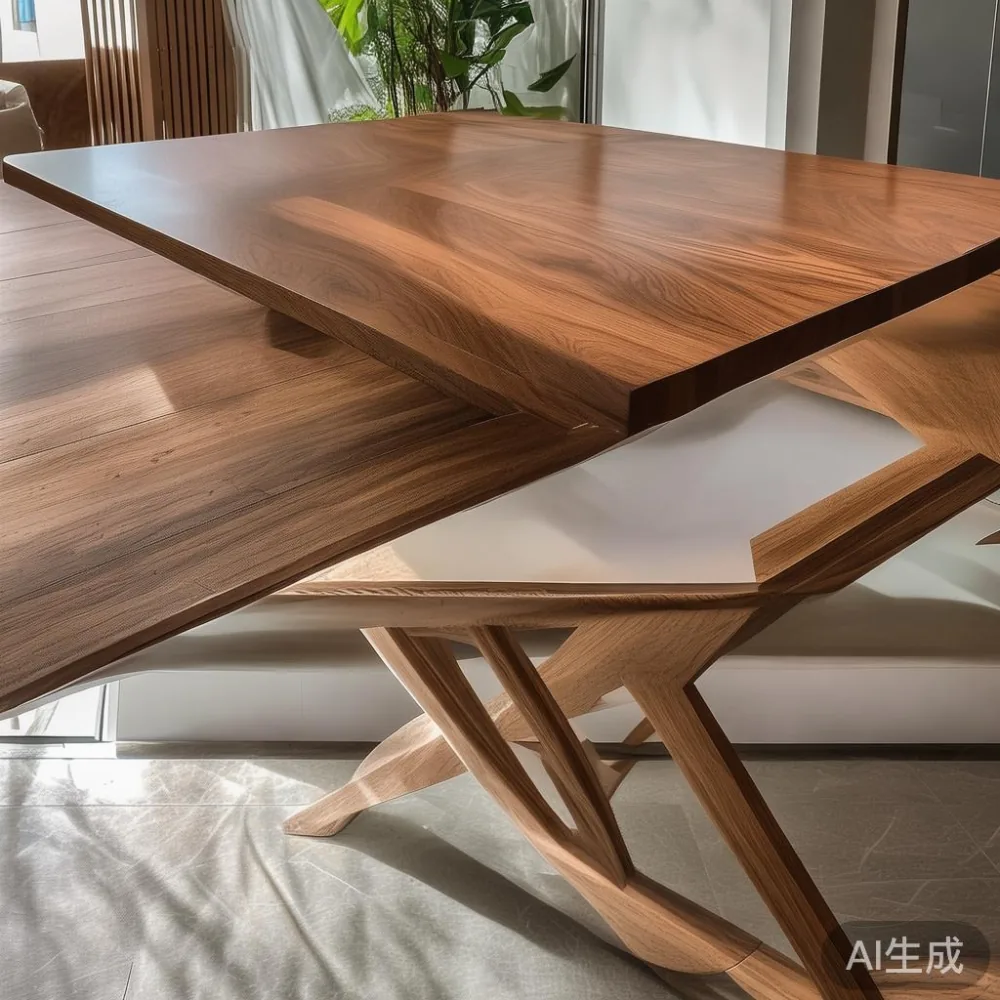
What does a dining table actually cost over 5 years in SGD?
Most Singapore shoppers compare the price tag on the receipt, not the receipt plus five years of small repairs. A typical 6-seater veneer dining table in a Jurong East or Punggol furniture showroom runs SGD 1,100 to SGD 1,900 for the table alone, with another SGD 80 to SGD 180 for delivery up to a fourth-floor walk-up. A comparable 6-seater solid wood dining table, often imported rubberwood, ash, or walnut, starts around SGD 2,200 and can reach SGD 4,800 for a thicker 4 cm top with extensions. Now stretch that over five years and add the things people forget: a dehumidifier running roughly 12 hours a day in a HDB flat costs about SGD 0.35 per kWh, so budgeting SGD 180 to SGD 240 per year for humidity control is fair. A can of wood wax oil retails around SGD 28 to SGD 45. A bottle of PU repair for a chipped veneer corner is SGD 12. Add those, and a veneer table that cost SGD 1,290 on day one often lands near SGD 2,150 by year five. The same maths on a SGD 3,200 solid wood table ends up closer to SGD 3,900, so the gap narrows to roughly SGD 1,750 across the lifespan of a dining table SG family owns, before you even count resale value.
Is veneer really that bad in Singapore humidity?
Veneer is a thin layer of real wood, usually 0.5 mm to 2 mm, glued onto an MDF or plywood core. In theory it gives you the look of solid wood at a lower price per cm. In practice, Singapore sits at 70 to 85 percent relative humidity most of the year, and that moisture works on every glue line. Last month I visited a Punggol condo where a 1.8 m veneer dining table had lifted along the seam by about 1.5 mm after 26 months of normal use with a dehumidifier running. The owner was quoted SGD 420 to re-laminate the top, which is more than half her original purchase. A solid wood dining table SG families buy from a factory-direct maker tolerates the same conditions because the planks move together, they do not delaminate from a substrate. So no, veneer is not hopeless, but it is unforgiving of skipped maintenance.
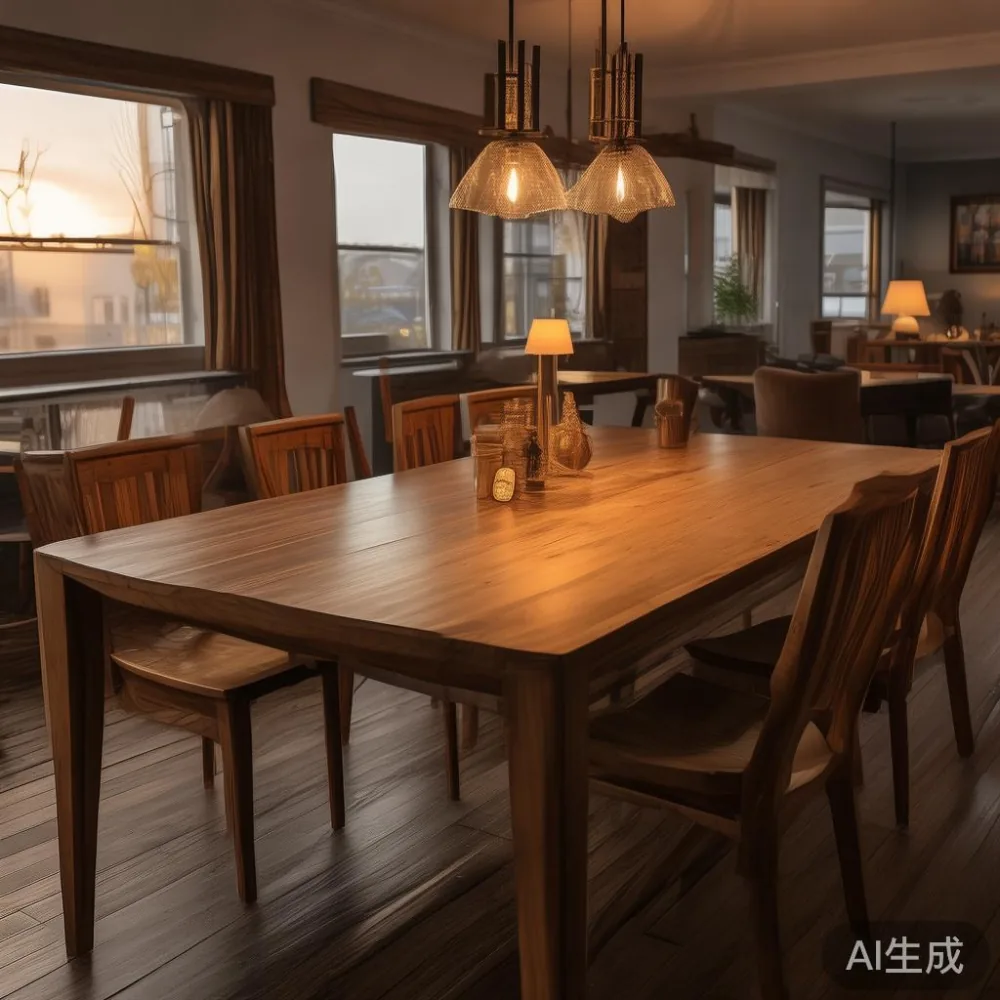
How many times can you actually refinish a solid wood table?
This is where the numbers quietly swing in favour of solid wood. A 3.5 cm thick solid wood dining table can be sanded and re-oiled roughly 4 to 6 times across its life if the sanding stays at 0.5 mm per pass. Each refinishing runs SGD 280 to SGD 480 at a workshop in Balestier or Eunos, or it is included free with the right supplier. MIDHILL, the Foshan factory behind many direct-ship dining tables sold into Singapore, offers lifetime refinishing on its solid wood range, which means one less line item over a 10-year horizon. Veneer tops cannot be refinished the same way. Once that 0.6 mm layer is through, you see the MDF beneath, and that is effectively the end of the table. So when you amortise refinishing savings, a solid wood dining table in Singapore can recover SGD 800 to SGD 1,200 of its upfront premium over ten years, more if you have kids who genuinely draw on the table, and fewer if you are a tidy adult household.
Is a return policy worth the price in Singapore?
Yes, a clear 14-day return policy is worth real money in Singapore, especially for a dining table sg purchase above SGD 1,000, because the cost of a wrong decision includes the delivery fee, the GST (9 percent since 2024), and the weeks of whatsapp coordination with the seller. A supplier that offers free returns above a stated threshold, or free exchanges for transit damage, removes roughly SGD 80 to SGD 220 of hidden risk from the transaction. Check the policy in writing before paying the deposit, and confirm whether the 14 days starts from delivery or from order, because lift access issues in older Bukit Batok blocks can delay handover by three or four days.
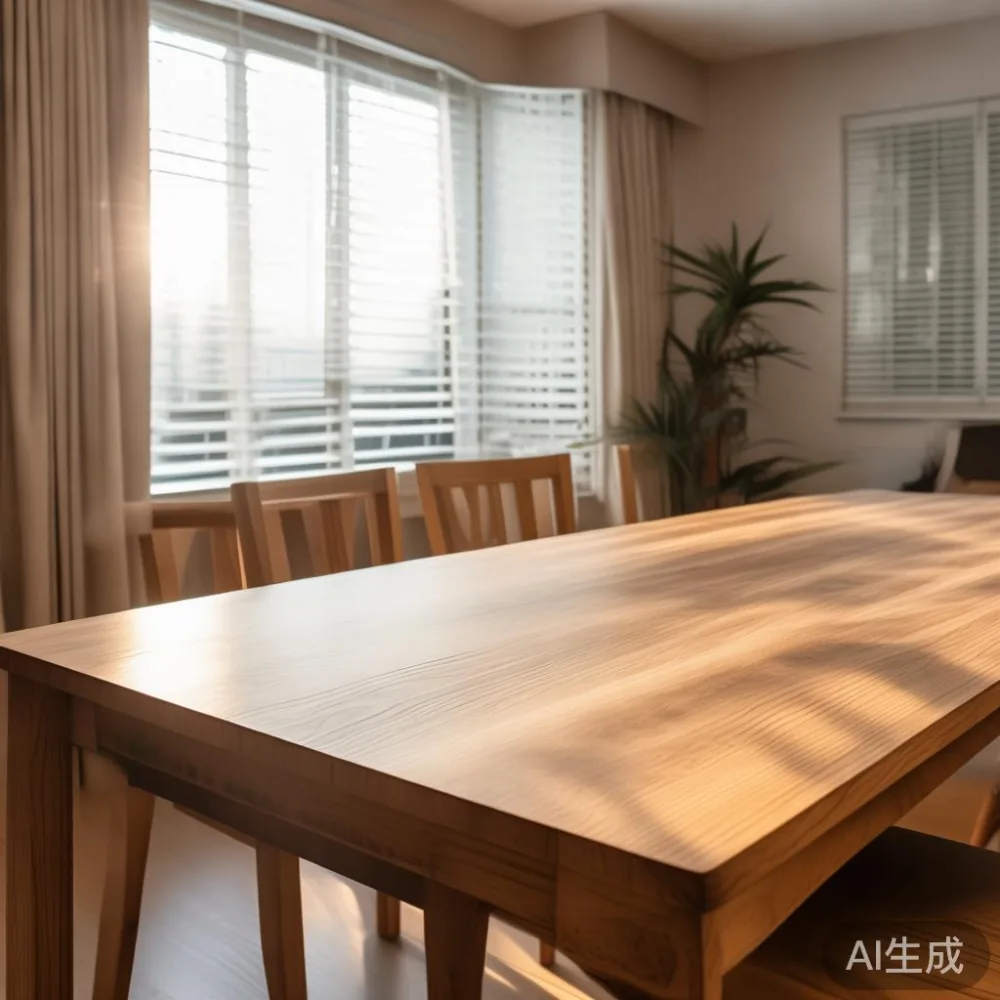
How does lift and corridor access change the table you choose?
HDB lift doors in Singapore are typically 0.9 m wide by 2.1 m tall, and the cabin is about 1.1 m by 1.4 m, while private condo service lifts can run up to 1.5 m by 2.3 m. A 1.6 m solid wood dining table in a single box usually fits a HDB lift if the box is under 35 kg and tilted diagonally, but a 1.8 m marble table will not. This is where light luxury positioning quietly matters. A French light luxury dining table often pairs a slim solid wood base with a sintered stone or marble top around 12 mm to 15 mm thick, which keeps the total weight under 60 kg and survives the lift geometry. American light luxury leans heavier, around 75 to 95 kg for the same 6-seater, so it is really a condo lift product. Post-modern light luxury tends to use lighter composite tops over a solid wood frame, dropping weight to 40 to 55 kg and making HDB access painless. Pick the style after you have measured the lift, not before.
What about the matching pieces: bed frame, wardrobe, and nightstand?
The same logic scales across the bedroom. A solid wood bed frame at queen size runs SGD 1,400 to SGD 2,600, with a matching 2 m wardrobe around SGD 2,200 to SGD 3,800 and a pair of solid wood nightstands at SGD 320 to SGD 520 each. Veneer versions of the same set come in 30 to 45 percent cheaper, but the wardrobe doors are the first to fail because of repeated opening cycles, roughly 25,000 cycles over ten years if you open them twice a day. A solid wood wardrobe tolerates that. A solid wood sofa frame, by the way, is the hidden upgrade most Singapore buyers miss: the foam and fabric on a SGD 1,800 sofa usually wears out in 6 to 8 years, but a solid wood sofa frame can outlive two sets of upholstery, which is why MIDHILL and similar Foshan factories structure their warranty around the frame, not the cushion. That 10-year structural warranty is the contract you actually want to read.
Is a shoe cabinet hard to maintain if it is solid wood?
A common worry for new owners is whether a solid wood shoe cabinet is hard to maintain, and the honest answer is that it is one of the easiest pieces in the house, because shoes land on the shelves rather than the surface, and the cabinet sits against a wall away from cooking steam. Wipe it down once a month with a dry microfibre cloth, oil it every 12 to 18 months, and it will outlast the lease on your Punggol HDB. The same cannot be said for a laminate shoe cabinet, where the edges swell within 3 years and the door alignment drifts.
What does free shipping actually save on a SGD 3,000 order?
Free shipping sounds like a marketing line until you price out the alternatives. A typical Singapore delivery for a dining table sg order above SGD 350 covers two-man carry-up, basic assembly, and removal of the carton. If you pay for it yourself, the same service is SGD 90 to SGD 180 for HDB, SGD 150 to SGD 320 for a condo with longer walks, plus SGD 30 to SGD 60 if the corridor has a turn radius tighter than 1.4 m and the team has to lift the table vertically. On a SGD 3,000 dining table plus two nightstands, that free shipping line item is worth roughly SGD 200 in real SGD, which is exactly 6 to 7 percent of the order. Worth reading the small print for.
How do you test a sample before paying the full amount?
Ask for a 10 cm by 10 cm wood swatch in the actual species you are buying, not a printed colour card. Leave it on your dining area table for 7 days, splash a few drops of water on day two, and check for swelling at the edges on day seven. A solid wood sample will bead the water and stay flat. A veneer sample will darken at the glue line. Then put the swatch near a window for 48 hours to mimic afternoon sun, because Singapore west-facing units like those in Bukit Panjang get punishing UV between 2 pm and 5 pm. If the colour shift bothers you, ask for a different stain before you commit. This kind of 7-day home test is the single most useful habit in furniture buying, and it costs nothing.
So which one wins for a Singapore home over 5 years?
The honest answer depends on how long you plan to stay. If you are a young couple in a 3-year Punggol HDB rental with no plans to extend, a well-built veneer dining table at SGD 1,200 to SGD 1,600 is a rational choice and the 14-day return window covers most of your risk. If you are settling into a 5-year-plus BTO in Tampines or a resale condo in Bedok, a solid wood dining table SG families keep for a decade or more pays back its premium through refinishing savings, lower replacement risk, and a resale value that holds 45 to 60 percent of its original price after five years, versus 10 to 20 percent for a used veneer table. The dining table is the centrepiece, but the same maths applies to your solid wood bed frame, your wardrobe, your nightstands, and even the marble table in the living room. Buy once, oil occasionally, and the SGD you save in year five will be the SGD you do not spend on a replacement.