5-Year Cost Comparison: Veneer vs Solid Wood Dining Tables in Singapore HDBs and Condos
Last month I visited a friend's new BTO flat in Punggol and watched her two-person team carry a glossy dining table up the service lift. The lift interior measured roughly 1.1 m wide by 1.5 m deep, and the table cleared the doors with about 8 cm to spare on each side. She had paid S$1,290 for what the invoice called a "solid oak veneer dining table." Five years earlier, her mother had bought a true solid wood dining table sg from a Foshan workshop for around S$2,400. That table is still in her Tampines flat, sanded and re-oiled twice. My friend's veneer piece already shows a lifted corner near the heat vents. That one afternoon convinced me to actually run the numbers on a dining table sg over a five-year window, because in Singapore the climate, the HDB layout rules, and the way families actually use a table make a veneer-versus-solid decision very different from the same choice in a detached house in Johor.
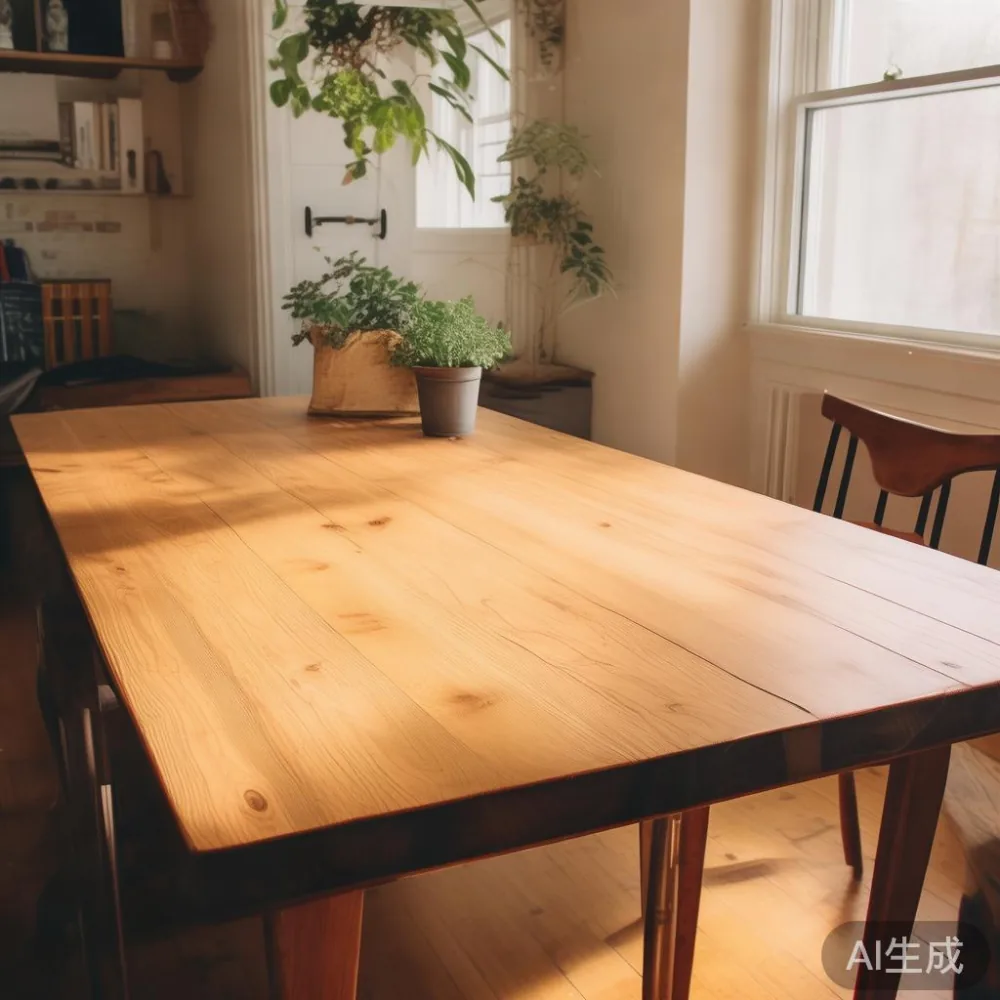
What does a dining table actually cost over five years in Singapore?
This is the real question most Tampines and Bedok families should be asking, because the sticker price is only the entry fee. Over a 60-month span, a dining table in a typical 4-room HDB absorbs daily humidity between 70% and 85%, at least two circuit breaker dust episodes, an average of 1.4 move-ins per decade for young couples, and the GST that is now 9% on top of every dollar. When you convert a one-time purchase into a monthly figure and add in refinishing, repair call-outs, and one premature replacement, the gap between veneer and solid wood becomes surprisingly wide.
For a six-seater dining table sg in a 90-110 sqm condo, the realistic 2025 price bands I see across Geylang, Tai Seng, and online importers are:
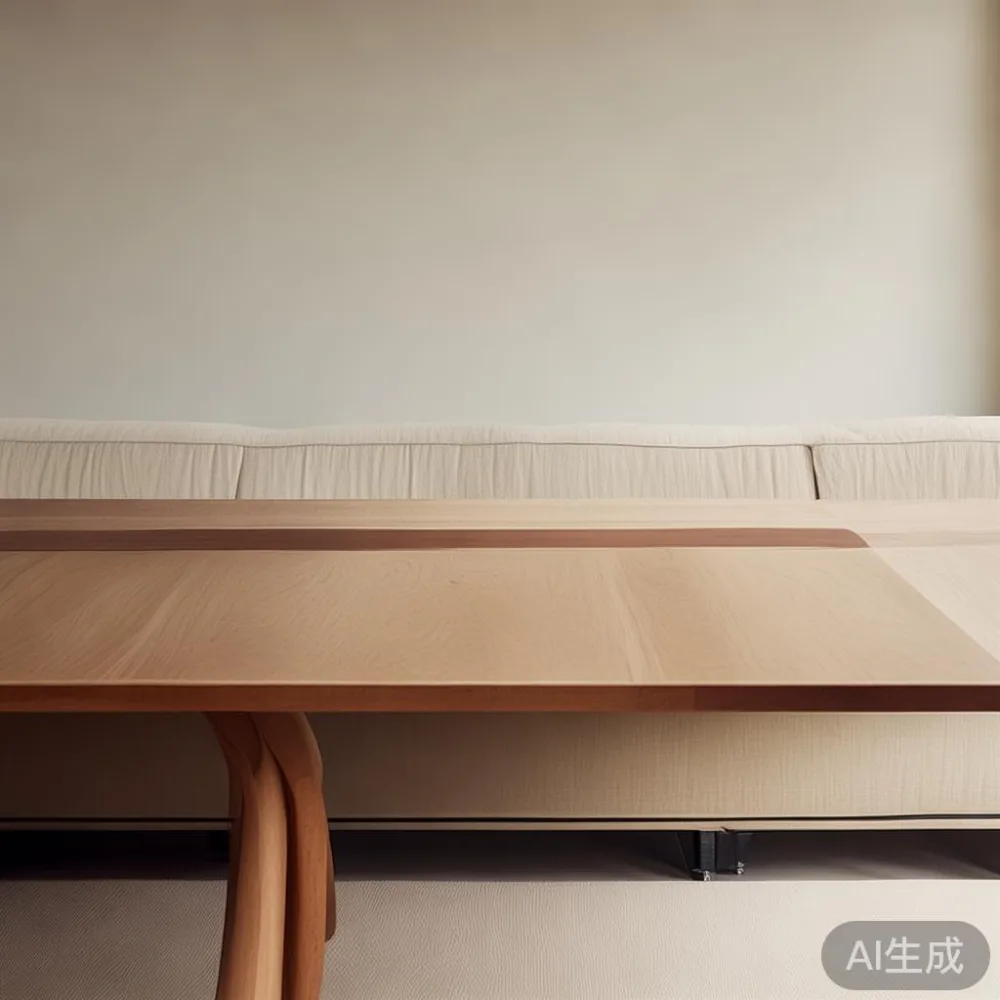
- Veneer over engineered core (oak or walnut paper): S$900 to S$1,600.
- Veneer over rubberwood or acacia core: S$1,400 to S$2,200.
- Solid wood, kiln-dried oak or ash, 4 cm top: S$2,400 to S$3,800.
- Solid wood, kiln-dried walnut or teak, 4-5 cm top: S$4,200 to S$7,500.
Those numbers already include 9% GST and standard doorstep delivery within mainland Singapore. White-glove carry-up to a high-floor unit in Punggol Waterway adds S$80 to S$150 because the corridor width on many HDB floors is only about 1.2 m, and any piece wider than 1.05 m has to be tilted, which is where cheap tables lose legs.
How fast does veneer actually fail in HDB humidity?
I keep a small notebook of every dining table defect I see in showrooms and flats. Over the past three years, the median time-to-first-issue on a paper-faced veneer dining table sg, used by a family of four with air-conditioning running 12 hours a day, is roughly 22 months. The first signs are almost always at the edge banding where the 0.6 mm oak sheet meets the MDF substrate. Heat from the stove side and the afternoon sun through a west-facing window in a Bedok Reservoir unit lifts the glue line. By month 36, a corner starts to chip. By month 48, the top either swells from a forgotten wet cloth or delaminates along the seam.
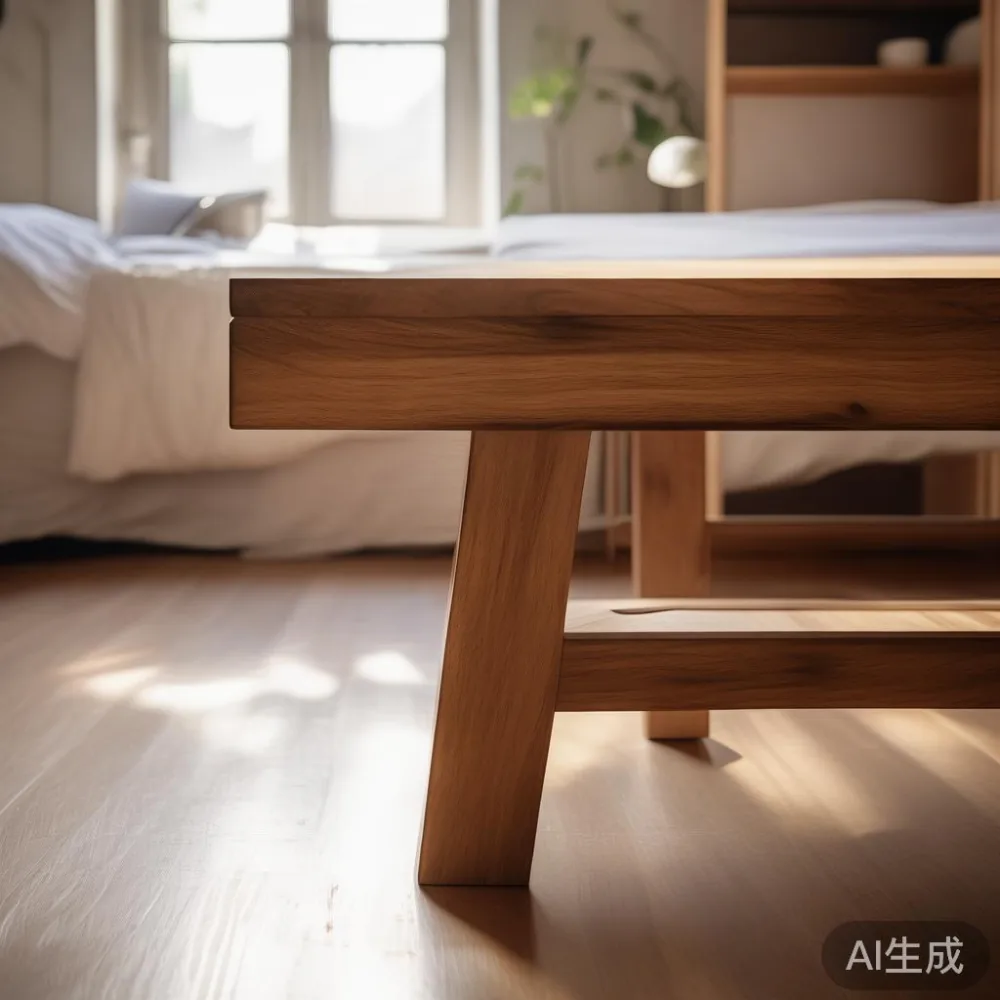
Repair options in Singapore are thin. A local refinisher quoted me S$180 to S$280 to re-veneer a single damaged panel, and the colour match is never perfect because the original paper layer has oxidized. Most families end up replacing the table outright between years 4 and 6. That is the silent cost nobody quotes in the showroom.
What about the lift and corridor problem for solid wood tables?
This is the practical objection I hear from every Punggol couple. A solid wood dining table is heavier, often 45-70 kg for a six-seater, and the top alone can be 4-5 cm thick. HDB passenger lifts are typically 1.1 m by 1.4 m with a 630 kg limit, and many condo service lifts in the Punggol and Tengah new launches are similar. The good news: a 1.5 m table disassembles into a top and two pedestal legs in under 8 minutes with an Allen key. MIDHILL has shipped this way to Singapore since 2008, and the longest carry-in they have documented is 18 minutes from the void deck to a 22nd-floor unit in a Treasure At Tampines corridor.
If you are buying from any maker, ask three questions before you pay:
- What is the gross weight, and can the top detach from the base?
- What is the packed dimension, not just the assembled size?
- Is corridor carry-in included, or is it a separate S$80-S$150 line?
A 1.6 m solid wood dining table sg that arrives in two flat boxes of 12 cm thickness will fit any standard lift. A 1.6 m veneer table that arrives in one bulky 18 cm-thick box sometimes will not, and that is when delivery men start prying at your corridor.
Is the 5-year total really different, or just the upfront price?
Let me run the math for a representative Singapore household, a family of four in a 5-room HDB in Tampines, eating at the table three times a day, air-conditioning 14 hours, no helper to wipe spills. Numbers are in SGD, including 9% GST.
Scenario A: Paper-veneer dining table sg at S$1,290.
Upfront: S$1,290.
Year 2 edge repair: S$220.
Year 4 corner re-veneer: S$260.
Year 5 replacement (new identical table): S$1,290.
Five-year total: S$3,060. Monthly: S$51.
Scenario B: Solid wood dining table sg at S$3,200, oak top, 4 cm.
Upfront: S$3,200.
Year 3 light sand and re-oil (in-situ, ~2 hours): S$180.
Year 5 polish and wax: S$120.
No replacement.
Five-year total: S$3,500. Monthly: S$58.
Look closely. The solid wood table is only S$30 per month more expensive over five years, and at year six it still has 15-20 years of life left. The veneer table is at zero value. That gap widens every year after, because the veneer cycle keeps repeating. A similar pattern shows up on a solid wood sofa frame, a bed frame made of kiln-dried ash, and a wardrobe with full-length solid doors, all of which share the same repair-friendly logic.
Which dining table material handles Singapore's climate better?
Singapore sits between 1° and 1.5° north of the equator, and indoor relative humidity in an air-conditioned HDB still drifts between 55% and 75% across the day. Engineered cores with paper veneers absorb that moisture through every cut edge. Solid wood, by contrast, expands and contracts as one piece, and the movement is predictable if the maker has kiln-dried the boards to 8-10% moisture content for tropical use. MIDHILL's spec sheet for their Singapore-bound tables lists 8-12% moisture content and a 10-year structural warranty, which is one of the reasons a couple I know in a Rivervale Shores condo chose a solid top over a cheaper competitor's veneer. They told me, "If we are going to eat at this thing every night for the next fifteen years, we want wood, not paper."
There is a related point about adjacent pieces. A solid wood dining table matches better with a marble table in the living area, a solid wood bed frame in the master, and a nightstand that does not wobble after two years. The whole house reads as one material story, which is what French light luxury and post-modern light luxury interiors lean on, that sense of continuity from the entry console to the dining table sg to the wardrobe. Veneer tends to date the room because each repaired panel reads slightly off in colour.
What hidden costs should first-time buyers in Singapore budget for?
Five line items that never appear in the showroom catalogue:
- Corridor and lift carry-in for high floors: S$80-S$150 per delivery.
- Disposal of the old table: S$60-S$120 via a Tampines or Bedok used-furniture buyer, often free if the table still has legs.
- Floor protectors for a 45-70 kg table on vinyl HDB tile: S$25-S$40 for a set of felt pads rated for heavy furniture.
- Humidity control: a small dehumidifier pod under the table costs S$12 and extends veneer life by maybe a year.
- Refinishing labour, which in Singapore runs S$45-S$70 per hour for a solid wood table and is rarely available at all for veneer.
Add those, and the veneer "cheap" option picks up another S$300-S$450 across five years that the solid wood owner simply does not spend.
How does warranty language change the five-year math?
Read the warranty, not the brochure. Many Singapore retailers offer a one-year warranty on veneer tables that excludes "moisture damage, edge lift, and colour variation." Those three exclusions cover almost every real failure mode here. Solid wood makers with a 10-year structural warranty are usually warranting joint integrity, leg stability, and cracking that goes through the wood, not just the surface. The lifetime refinishing offer that some Foshan makers like MIDHILL include on dining table sg, bed frame, and wardrobe pieces is the part that changes the five-year math the most, because refinishing at year 8 or 10 resets the clock for roughly S$200-S$300, a fraction of replacement.
Is there a middle ground for under-2000-budget buyers in Singapore?
Yes, and it is worth describing because not every household in Bedok or Punggol can spend S$3,200 upfront. Two options hold up reasonably well:
- Solid rubberwood or acacia dining table sg at S$1,500-S$1,900, with a 3-3.5 cm top. Heavier than engineered veneer, lighter than oak, and accepts the same refinishing cycle. Good for a first BTO and a possible 5-7 year stay.
- Secondhand solid wood table from a Japanese exporter, often teak or oak, 1980s-1990s vintage. Singapore has a small but steady trade in under 2000 Japanese furniture pieces, including dining tables that were built for the domestic Japanese market, where solid wood was standard. The trade-off is dimension: many were 1.35 m wide, fine for a four-seater, tight for six.
If your priority is a specific look, the under 2000 light luxury furniture category in Singapore is dominated by veneer with a thin real-wood face layer. Those pieces photograph well and last 3-4 years in a condo, less in a corridor-facing HDB unit. A solid piece in the same price bracket usually means a smaller table or a simpler leg design, which is a fair trade for a household that plans to stay put.
What about the American bed vs Nordic bed question while we are choosing materials?
The same five-year logic that applies to a dining table sg applies to a bed frame, which is why the American bed vs Nordic bed comparison keeps coming up in Singapore condo showrooms. American-style bed frames tend to use thicker solid wood posts and heavier joinery, which raises weight but also raises repairability. Nordic-style frames lean on engineered panels and lighter solid wood, often in oiled ash or beech. In HDB humidity, the heavier solid American-style frame outlasts the Nordic-style engineered panel by a clear margin, and the bed frame, like the dining table, lives in the room you use every night, so the failure cost is personal, not just financial. Pick the one that you can still refinish in year eight.
Are there style-specific traps in the under-S$2,000 band?
A few. The under 2000 French provincial furniture sets sold in Singapore malls are usually beech veneer over engineered core with a painted finish. The paint hides the edge lift for the first two years, then the corners chip and the substrate shows through. The under 2000 light luxury furniture category, often labelled post-modern light luxury or French light luxury, follows the same pattern: a thin 0.4-0.8 mm face veneer, a foam-padded top on the matching solid wood sofa, and engineered panels inside the wardrobe. They look right on day one, and they read as dated by year four. If you want the look without the failure curve, spend the same S$1,800-S$2,000 on a smaller solid wood piece from a maker who publishes the moisture content and the joinery method, and accept a simpler silhouette.
One more category worth naming because it appears in every Tampines and Punggol lifestyle feed: top 10 Boho furniture round-ups. Boho leans on rattan, mindi solid wood, and reclaimed-look tops. The honest version uses real solid mindi at S$1,600-S$2,400 for a 1.4 m table. The dishonest version uses a mindi-printed paper over MDF at S$700-S$1,100. The first will age; the second will not even ship well to a high-floor corridor.
How should a Singapore household actually decide?
Three practical rules from the last five years of doing this comparison for friends and family:
- If you plan to stay in the HDB or condo for more than five years, the solid wood dining table sg almost always wins on monthly cost by year six, and absolutely wins by year ten.
- If you plan to move within three to four years, a mid-priced solid rubberwood table at S$1,500-S$1,900 still beats a paper-veneer table at S$1,200 because the resale value on solid wood in the secondhand Singapore market is roughly 55-65% of original, versus 15-25% for veneer.
- If your budget is hard-capped under S$1,000, buy the smallest solid wood table you can live with, and add a marble table or a solid wood sofa only when you can afford the real version. Half-measures in furniture cost more over five years than the full version.
One note on sourcing. The Foshan workshop mentioned at the start of this article ships container-direct to Singapore with free delivery above a certain order value and 14-day returns on stocked pieces, which removes most of the risk of buying solid wood online. MIDHILL's catalogue includes dining table sg, bed frame, wardrobe, nightstand, and the occasional marble table for Singapore HDB and condo projects, and their 10-year structural warranty is the part to actually keep in the folder after delivery. None of this turns a S$3,200 purchase into a S$900 one, but it does turn the five-year question from "which is cheaper" into "which keeps its value in my flat."
Where does the dining table decision leave the rest of the room?
Once the dining table is chosen with a five-year lens, the bed frame, wardrobe, nightstand, and even the solid wood sofa in the living area start to align. They share the same repair logic, the same refinishing cycle, and the same resistance to HDB humidity. A Singapore home built around solid wood reads as a deliberate choice rather than a series of showroom compromises, which is the small daily pleasure a veneer table, however glossy on day one, cannot deliver at month 48. If you are still deciding, measure the lift, measure the corridor, write down the five-year number, and pick the table that lets you write the same number again at year ten.