What to Check Before Buying a Sofa You Cannot Sit On: A Singapore Solid Wood Sofa Checklist
Shopping for a sofa online, from a showroom overseas, or through a small local reseller can feel like buying furniture blind. You cannot sit on it, you cannot touch the fabric, and you cannot drag it 6 metres down your Tampines HDB corridor to test the fit. Yet many Singapore households still buy that way, because the price gap between a local display piece and a shipped-from-Foshan solid wood sofa can be 30-45% once you convert the same spec into SGD.
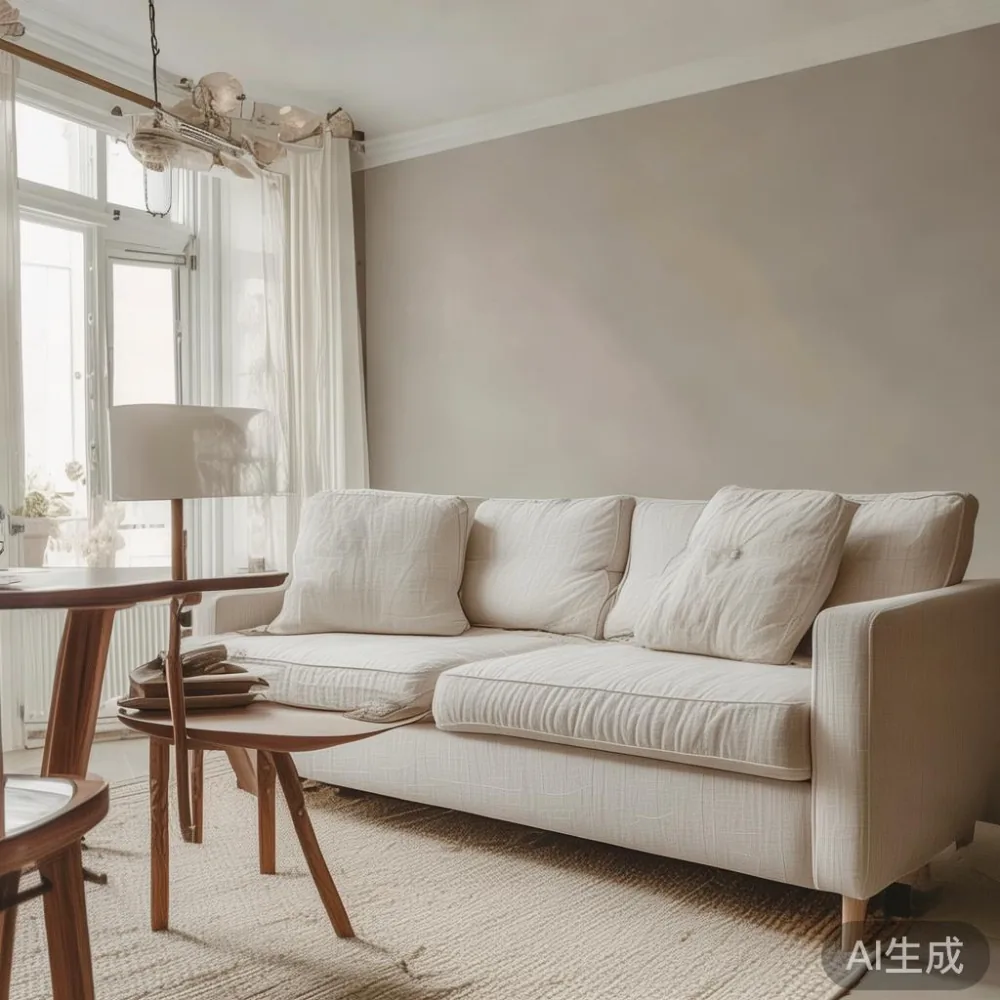
I went through this with my colleague Priya last month. She had spotted a French light luxury solid wood sofa in a Jurong East showroom that retailed for S$4,680, and she found the same configuration from a Foshan factory supplier for around S$2,950 including delivery. The catch: she could not sit on the factory version before paying. We spent an evening going through the spec sheet line by line. That checklist is what I am sharing below, with Singapore-specific adjustments for HDB flats in Bedok, Punggol condos, and the realities of Singapore delivery thresholds.
How do I choose a industrial style for a balcony?
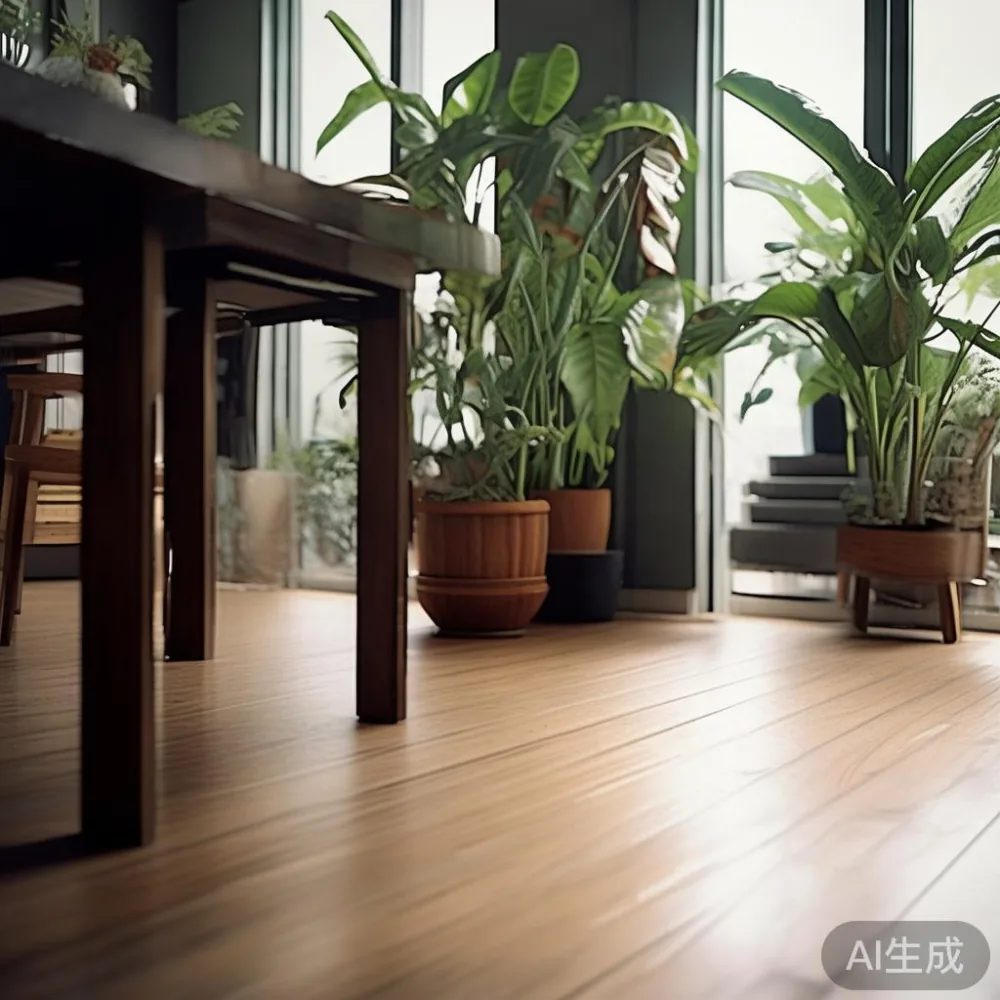
Choose industrial style for a balcony by locking the material language first, the colour palette second, and the silhouette third, because a balcony is exposed to UV, monsoon rain, and salt air that punish softer decisions. For an industrial balcony in a Singapore condo, that usually means powder-coated steel in a matte black or aged-bronze finish, reclaimed-look solid wood (typically ash or oak, never MDF), and concrete or terracotta flooring tiles, then layered with Edison-style filament bulbs, raw linen cushions, and one or two galvanised planters. Keep the line of each piece straight, leave at least 90 cm of walking space between the sofa and the railing, and avoid anything glossy, because glossy finishes show water spots within a week of afternoon thunderstorms.
If you are mirroring this look indoors, a small extendable bed for entryway corners in powder-coated steel and reclaimed oak reads as the same family and keeps the language consistent from balcony to foyer. Back to sofas.
1. Frame, Joinery, and the Solid Wood Question
The frame is the only part of a sofa you cannot replace cheaply, so it deserves the deepest scrutiny. Ask whether the frame is kiln-dried solid hardwood (oak, ash, beech, walnut) or whether it is rubberwood, plywood, or MDF wrapped in a thin veneer. For a sofa you cannot sit on first, I want a factory that publishes the wood species, the moisture content target (8-12%), and the joinery method. Mortise-and-tenon, dowel-and-glue, and corner-blocked joinery all hold for a century or longer; stapled frames do not.
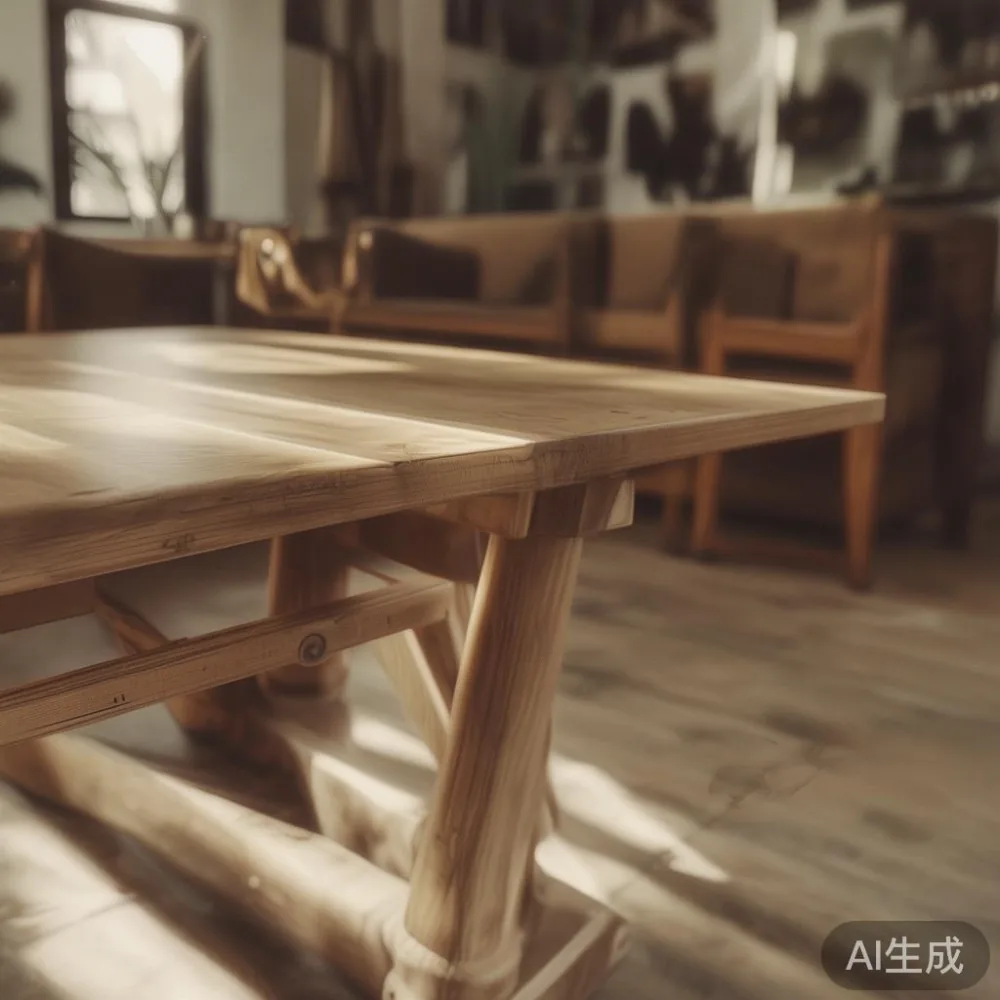
Priya's showroom piece used beech. The factory alternative used ash from the same supplier family, kiln-dried to 10%, with mortise-and-tenon on the arms and corner blocks on the seat rails. That was acceptable to her. A version that listed only "hardwood frame" without species or joinery detail would have been a hard no, regardless of how pretty the cushion photos looked.
Worth noting: a solid wood sofa frame adds 18-25 kg to the parcel compared with a plywood frame of the same dimensions. That weight matters once you read section 4 on HDB access.
2. Suspension, Foam Density, and the Numbers Behind "Comfortable"
Two numbers matter more than any marketing phrase. First, the suspension: 8-gauge sinuous springs are the minimum acceptable; hand-tied eight-way springs are the upper bound. Webbing-only suspension is acceptable for occasional seating, not for a primary sofa. Second, the foam density, measured in kg per cubic metre. Anything below 25 kg/m³ will bottom out within 18 months in Singapore humidity. Aim for 32-40 kg/m³ for seat cushions, and 28-32 kg/m³ for back cushions. Down-wrapped foam is a luxury touch, not a substitute for density.
Priya's chosen sofa used 35 kg/m³ seat foam with a 5 cm down wrap and a polypropylene-webbing base reinforced with sinuous springs. That spec, on paper, should give her 8-10 years of daily use before the seat needs a refoam. Lifetime refinishing on the frame, offered by the supplier, covers the wood, not the cushion, so she understood the cushion would eventually be a replacement line item (typically S$280-S$420 per seat after year 7).
If the spec sheet hides density or just says "high-density foam," assume the worst and budget for an early refoam.
3. Fabric, Leather, and Singapore Humidity (80-90% RH)
Singapore's climate runs 80-90% relative humidity for most of the year, with afternoon temperatures around 31°C. That environment punishes fabrics that breathe poorly and leathers that were not properly cured. For fabric, look for a Martindale rub count above 30,000 rubs (commercial-grade is 40,000+), and prefer performance weaves: solution-dyed polyester, performance linen blends, or tightly woven cotton with a stain-resistant treatment. Avoid untreated linen for a primary family sofa; it stains in a single wet season.
For leather, ask whether it is full-grain, top-grain, or split (bonded). Full-grain is the longest-lasting and the only leather that ages well in tropical climates. Top-grain is fine for tight budgets. Split and bonded leather peel within 3-6 years in Singapore. A leather swatch left in a glass of water for 10 minutes is a useful at-home test: full-grain absorbs slowly and darkens evenly; bonded leather bubbles.
4. The Singapore Access Problem: Lifts, Corridors, and Staircases
This is the single biggest reason online sofa purchases go wrong in HDB flats. Measure first, pay second.
Corridor width: Standard HDB corridors in Tampines, Bedok, and most 1990s-2010s BTO blocks run 1.2-1.5 m wide, with a few right-angle turns. A 3-seater sofa longer than 220 cm often will not clear a 90° turn, even diagonally.
Service lift: HDB service lifts are typically 1.5 m deep × 1.7 m high × 1.3 m wide, with a 600-800 kg load limit. A solid wood sofa in a crate can hit 120 kg. Two sofas plus a dining table in one trip is risky.
Door frame: Standard HDB main doors are 0.9 m wide × 2.1 m tall. The actual clear opening is closer to 0.82 m. Measure yours.
Staircase turns: Walk-up projects in older Bedok blocks have hairpin turns that a 2.4 m sofa physically cannot work through.
Get the outer crate dimensions in centimetres before you pay. Subtract 5 cm for clearance tolerance. If the crate height exceeds your service-lift interior, the supplier must tilt the crate, which is not always possible for a 130 kg solid wood sofa. MIDHILL publishes outer crate dimensions on every spec sheet, which is one of the reasons we kept that quote on Priya's shortlist.
5. Warranty, Returns, and What "10-Year Structural" Actually Covers
Read the warranty line by line. A 10-year structural warranty should mean: frame breakage, joint failure, and spring collapse are covered for 10 years from delivery. It usually does not cover: foam softening, fabric pilling, leather stretching, colour fade from direct sunlight, or water damage from a balcony leak. Cushions softening is not a defect; it is physics. Sun fade is not a defect; it is light.
Priya's chosen supplier offers a 10-year structural warranty, lifetime frame refinishing (sanding and re-oiling the solid wood at the workshop for a small logistics fee), a 14-day return window for unused pieces in original crates, and free shipping above US$350. In SGD, US$350 sits at roughly S$475 at current rates. Her order qualified. She did the math: returning a S$2,950 sofa inside 14 days would cost her the original freight (about S$180) plus a 15% restocking fee at most factories. Worth knowing in advance.
Ask the supplier four questions in writing before you pay: (a) Is the warranty honoured in Singapore or only at the factory? (b) Who pays return freight on a warranty claim? (c) Is there a Singapore-based service partner or only the Foshan workshop? (d) What documentation is needed for a warranty claim? Save the answers in the same email thread as your invoice.
6. The Dining Table Question You Did Not Know You Had
Here is the part most sofa buyers miss. If your new solid wood sofa is being shipped from Foshan, the same container or consolidated pallet almost always has room for a dining table, a bed frame, a wardrobe, or a nightstand at marginal incremental freight cost. Bundling a sofa with a matching marble table or an oak dining table sg often drops the per-item delivery fee by 20-30%.
This matters because the dining table is the second-largest furniture decision in most HDB homes, and the styling usually needs to match. Buying a French light luxury sofa with a mismatched post-modern light luxury dining table from a different supplier usually means two different wood tones, two different grain directions, and two different delivery headaches. Priya added an oak dining table sg to her order for an additional S$1,680, saving an estimated S$240 in freight compared with ordering separately two weeks later. She also added a solid wood bed frame (S$1,150) and a small marble table for the entryway (S$640).
7. Hidden Costs: GST, Crate Disposal, and the Saturday Delivery Trap
Three costs catch Singapore buyers off guard. First, GST: any imported sofa above S$400 in CIF (cost, insurance, freight) attracts 9% GST payable at Singapore customs. Most suppliers mark the commercial invoice correctly; some do not. Under-declaration is your risk, not theirs, and the fine is 4× the underpaid GST. Third-party brokers charge S$60-S$120 per shipment to file the import permit.
Second, crate disposal. A crated sofa arrives in plywood, foam, and cardboard. HDB does not collect bulky crates during routine waste pickups. You either break it down and wait for the quarterly bulky-item collection (free, but slow) or pay a disposal service S$80-S$150. Some suppliers, MIDHILL included, offer a return-and-reuse crate option for a small credit.
Third, the Saturday delivery trap. Most Singapore suppliers add a S$80-S$120 weekend or evening surcharge for HDB blocks, because the service lift is shared and time slots are tight. Midweek, 10am-3pm, is the cheapest window.
8. A Realistic Timeline From Click to Couch
For a Foshan-to-Singapore solid wood sofa, plan on this timeline. Production: 25-35 days for stocked configurations, 40-60 days for custom fabric or custom dimensions. Sea freight to Singapore: 7-12 days door-to-door for consolidated shipments, 18-25 days for full-container loads from a single buyer. Customs clearance and GST payment: 2-4 working days. Local delivery and assembly: scheduled within 5-10 days of arrival, depending on the supplier's Singapore partner.
Total: 6-12 weeks from order to sitting. Priya ordered on a Sunday, the sofa left the Foshan workshop 28 days later, cleared Singapore customs on day 41, and was in her Punggol flat on day 47. She sat on it that evening.
9. Should I Buy Without Sitting? A Decision Framework
Buy without sitting when four conditions are met: the supplier publishes frame species, foam density, and fabric rub count in writing; the warranty is structural for 10 years and transferable; the crate dimensions fit your specific lift and corridor (not a "typical HDB" estimate); and the supplier has at least 50 verifiable Singapore reviews on a third-party platform, not just testimonials on their own site.
Walk away when any one of those is absent, when the discount is unusually deep (below 50% of a comparable Singapore showroom price), or when the supplier refuses to send a fabric or leather swatch by post. A S$30 international swatch fee is the cheapest insurance policy you will ever buy on a S$3,000 sofa.
10. Final Notes on Style, Stain, and Setup
For the post-modern light luxury look that dominates Singapore new launches in Punggol, Sengkang, and the newer Tengah and Bidadari BTOs, keep the wood tone warm (natural oak, light ash, or a matte walnut), keep the legs slim and visible (12-15 cm clearance reads "light" even on a 240 cm frame), and pair the sofa with a marble table of similar warm undertone to anchor the room without darkening it.
Once the sofa is in your flat, vacuum the cushions weekly with a soft brush, rotate them monthly for even wear, keep the piece 30 cm away from any aircon vent to prevent localised drying, and book a frame refinish around year 6 to keep the wood moving in step with Singapore's seasonal humidity swings. A solid wood sofa built this way should still be the centrepiece of your living room 15 years from now, with two refoams and one refinish along the way.