Factors Influencing the Cost of Solid Wood Dining Tables
Solid wood furniture can look similar on a product page while differing by hundreds of Singapore dollars in real use. The reason is rarely the decorative front alone. Timber species, moisture control, joinery, hardware, dimensions, finish, and delivery conditions all affect the price. For households in Tampines, Bedok, Punggol, and other HDB flats or condos, the practical question is not simply whether a piece is expensive, but what creates lasting value after the invoice is paid.
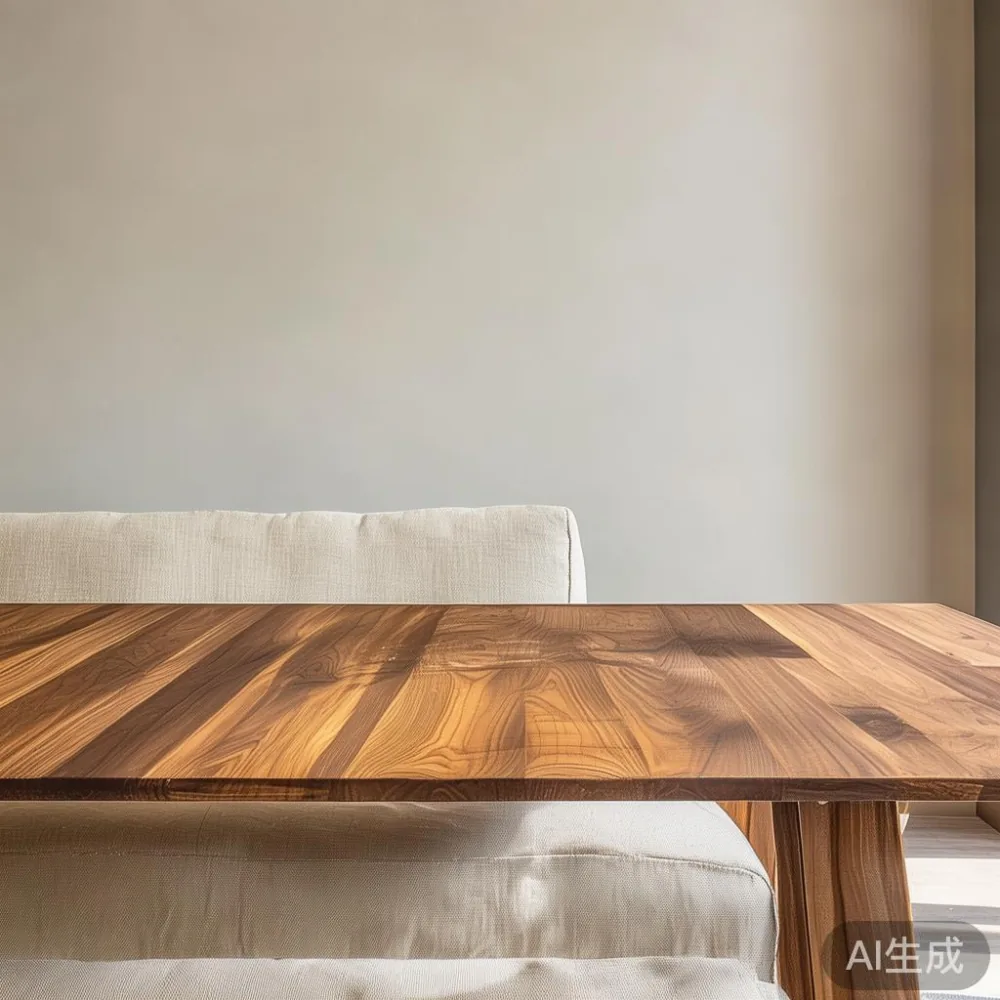
I visited a furniture showroom and workshop last month to inspect several dining tables, bed frames, wardrobes, and nightstands at different price levels. One table sold for SGD 1,290, while another with a similar-looking top sold for SGD 2,180. The more expensive example had a better-controlled drying process, concealed mortise-and-tenon joinery, more consistent movement, and a finish designed for humid conditions. The visual difference was much smaller than the structural difference.
This guide explains the actual cost drivers behind solid wood furniture, including solid wood sofas, bed frames, dining tables, wardrobes, nightstands, and marble tables. It also considers how floor plans, lift access, GST, and after-sales support affect the final amount paid in Singapore.
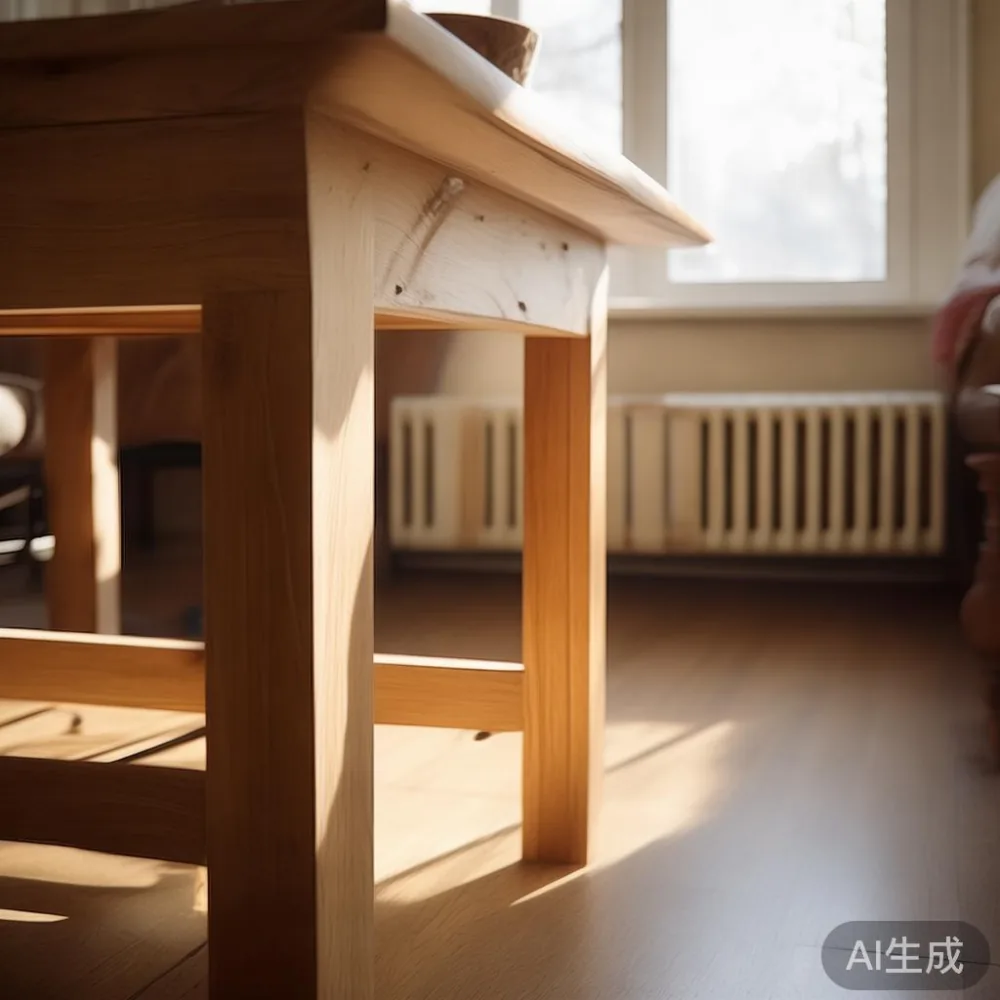
What makes one solid wood dining table cost more than another?
The timber is only the starting point. Common species used for dining furniture include oak, ash, beech, teak, rubberwood, and walnut. Their prices vary because of availability, grain character, drying requirements, machining demands, and market demand. An oak dining table may cost SGD 1,200–SGD 3,500, while a teak or walnut design may fall between SGD 2,400 and SGD 6,000. These ranges describe normal retail variation rather than a fixed price list.
Wood that has been properly kiln-dried and acclimatised for Singapore’s humidity can move slightly as humidity changes. A dining table sg sold by a Singapore specialist should therefore have stable construction rather than relying on rigid fasteners that split the timber as the top expands. The board thickness matters too: a 25–30 mm top generally feels more substantial than an 18–20 mm top, but an excessively thick board can also be heavier without being better engineered.
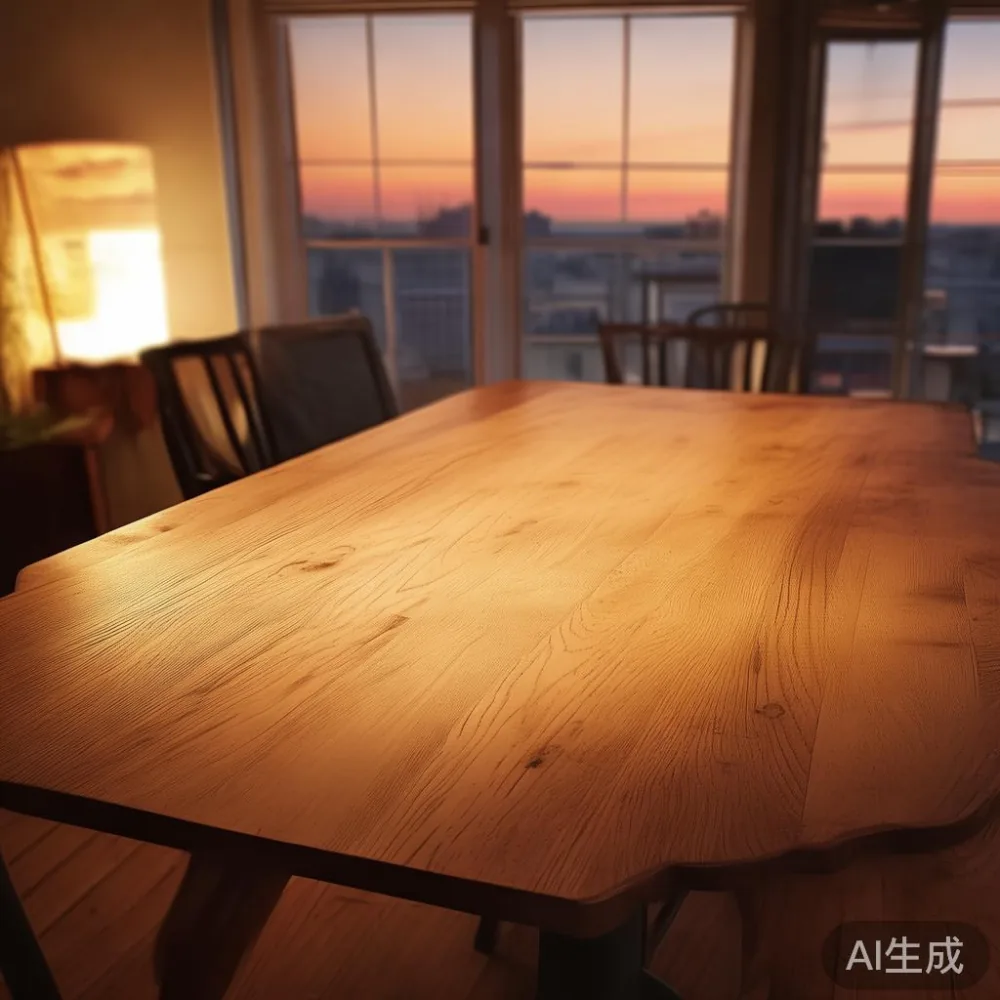
Joinery often creates a larger price difference than customers expect. Mortise-and-tenon joints, dovetail drawers, and bridle joints take more time than concealed screws and dowels. They also improve resistance to movement and repeated loading. Look for exposed joints that appear close, tight, and deliberate. Wide gaps of 2–3 mm can indicate poor fitting, while unusually large gaps may point to distorted components.
For a dining table sg, total weight offers a rough clue about material use, but weight alone does not prove quality. A useful guide is 40–80 kg for many solid wood dining tables seating 6–8 people. A lightweight piece may use thinner boards or thinner legs; a heavy piece may include more timber. The best assessment combines weight with joint construction, underside finishing, board thickness, and movement control.
How much should solid wood furniture cost in Singapore?
Prices depend on format, material, and construction. A practical solid wood dining table for six people may range from SGD 900 to SGD 3,500. A large 200–240 cm table with a thick top, shaped apron, and detailed joinery can reach SGD 4,000–SGD 8,000. Before GST, the visible amount is usually listed as the base price; Singapore GST adds 9% at checkout for taxable supplies. A SGD 1,500 table therefore becomes SGD 1,635 when GST applies.
A solid wood bed frame may range from SGD 700 to SGD 3,500. A wardrobe may range from SGD 1,200 to SGD 6,000 depending on width, depth, internal fittings, and door construction. A solid wood nightstand may sit between SGD 220 and SGD 900. A three-seat solid wood sofa can range from SGD 1,800 to SGD 6,500, especially when curved arms, shaped backs, and upholstered cushions are involved. A marble table may cost SGD 1,500–SGD 7,000 because stone selection, templating, edge treatment, and weight add complexity.
Compare prices by specification, not by category label. A dining table sg listing should state board thickness, timber species, dimensions, extension method, joint type, finish, and weight. Missing measurements are not proof of low quality, but they make meaningful comparison difficult.
Is timber species the biggest price driver?
Timber species has a major effect, but it is not always the biggest one. A walnut dining table may command more than an oak table because walnut is scarcer and more waste-prone during machining. Teak carries a premium because of its reputation for stability and weather resistance, although indoor teak furniture still requires correct drying and finishing. Ash and rubberwood can offer good value when the structural design and production standards are sound.
European light luxury nightstand designs often use walnut, oak, or stained ash with slim metal pulls and restrained proportions. An American light luxury approach may pair pale oak with clean, generous forms. French provincial styling leans more heavily on carved edges, shaped aprons, turned legs, and warm finishes, so labour can cost more than the board itself.
The French provincial sofa worth it as a style choice depends on the room and construction. Ornate profiles need careful sanding and finishing; if the carving is filled with excess paint or poorly aligned, the extra detail reduces rather than adds value. The same principle applies to furniture generally: solid timber and skilled workmanship matter, but decoration should support proportion and function.
Does the finish affect price and long-term value?
Yes. Hardwax oil, matte lacquer, water-based coating, and conversion varnish have different costs and maintenance profiles. A multi-layer matte finish may add SGD 80–SGD 300 to a dining table or bed frame. Water-based coatings can be less odour-intensive during installation, which matters in an enclosed HDB flat. Some traditional finishes may need periodic maintenance; others are easier to wipe clean.
Ask whether the finish covers all exposed surfaces, including undersides, edges, and joint areas. Sealed undersides reduce moisture exchange and help limit movement. Also check the expected maintenance interval. A coating manufacturer may recommend re-oiling a table every 12–24 months depending on use, or replacing lacquer more rarely. Busy family dining tables should receive coasters, placemats, and prompt attention to standing water.
Colour also affects the price. Whitewashing, fuming, and deep stains can require additional sanding and careful colour matching. A smoked oak finish may cost SGD 100–SGD 400 more than a natural finish. The finish should remain visually consistent across the top, rails, legs, and edges; this is a sign of controlled production rather than a quick surface treatment.
How do HDB lifts and condo corridors affect furniture prices?
Access can become surprisingly expensive. Standard HDB lift doors are commonly around 80–90 cm wide, while corridors and turns may offer only 100–130 cm of clearance. A 220 cm dining table top cannot always enter a lift as one rigid piece. Some manufacturers can split the top into sections, or a table may have detachable legs, but that requires correct hardware and careful assembly.
A narrow lift does not necessarily mean an oversized table is unsuitable. Measure the lift door, cabin depth, cabin height, corridor width, stair landing, and the route into the flat. Add 5–10 cm of working clearance where possible. For example, a tabletop 210 × 100 cm may need a lift with at least 120 cm internal depth. If no suitable lift exists, the delivery team may need to bring the top in vertically, dismantle a door with permission, or use a hoisting service.
Stair carrying and hoisting can add SGD 80–SGD 400 to a Singapore order. A quoted SGD 1,290 dining table may therefore become SGD 1,570 after GST, lift restrictions, and a difficult bedroom access charge. Clear communication before production prevents unpleasant delivery-day charges.
Which design styles change the price?
Post-modern light luxury often uses asymmetric forms, softened geometry, mixed materials, and slim profiles. These looks can require curved components, custom routing, or non-standard joinery. A sculptural dining table with a 30–40 mm top may cost SGD 2,000–SGD 5,500. French light luxury designs frequently introduce carved mouldings and decorative hardware, which increase finishing time. Italian light luxury bed collections may add shaped headboards, channel tufting, curved rails, and coordinated bedside pieces.
To understand how to choose Mid-century modern bed for a compact flat, focus on dimensions and function before style labels. A 180–200 cm frame may fit a typical 10–12 m² bedroom, but a sloped wall, ceiling fan, or open wardrobe door can affect placement. Check that the mattress sits at a comfortable height of about 45–55 cm from the floor. Solid wood construction gives the frame visual warmth, while an upholstered headboard can provide comfort without compromising the timber structure.
A light grey luxury sofa can work in a neutral condo interior, but upholstery adds cost beyond the frame. Fabric selection, foam density, cushion filling, piping, and removable covers all affect the price. A three-seat model with 65–75 cm depth should provide useful seating depth, while an internal width near 190–220 cm can accommodate three adults more comfortably. A solid wood sofa requires the timber frame, suspension, and cushion specifications to be disclosed separately.
How should you evaluate hardware, drawers, and internal fittings?
Hardware is easy to overlook because it is partly hidden. Soft-close drawer systems can add SGD 60–SGD 250 per wardrobe or dresser. Full-extension runners may add more. Hinges, connecting bolts, and bed slat supports should be rated for repeated use. Mid-range European fittings may feel smoother than inexpensive hardware, while premium brands are not automatically necessary for every load.
For wardrobes, examine how the doors move, whether the carcass stays square, and how shelves are supported. Pin-board construction can resist sagging; relying on pins inserted into particleboard may reduce capacity. A 150 cm wardrobe should not be expected to carry unusually heavy folded bedding on a thin shelf without suitable reinforcement.
For anyone learning how to style European wardrobe in apartment, interior fit matters more than catalogue imagery. A 180–220 cm wall can usually accommodate a 150–180 cm wardrobe while leaving a usable margin. Internal hanging heights of 120–150 cm suit many shirts and coats, while a deeper 55–65 cm carcass can support wider hangers. Allow at least 60–80 cm in front of the doors when drawers or swing doors open. An opening door may project 55–65 cm and conflict with a bed, dining chair, or corridor.
The European light luxury nightstand should also fit the bedside clearance. A 40–50 cm width often works beside a queen or king bed, but the top should sit close to mattress height for easier reach. Check that drawer handles do not collide with a headboard or wall.
What does warranty, refinishing, and delivery add to the value?
After-sales terms can justify a price difference because furniture failure is inconvenient. MIDHILL has operated since 2008 and exports to more than 15 countries. Its 10-year structural warranty addresses the long-term frame, while lifetime refinishing gives owners a route to restore the surface rather than replace the whole piece. These services provide measurable value for a dining table expected to remain in use for 10–20 years.
Free delivery over US$350 is stated in international terms, but Singapore customers should confirm the local delivery threshold and any lift or access charges before ordering. A 14-day return window also provides time to inspect scale, finish, and condition, provided the piece remains unused and in its packaging. Typical furniture delivery may take 2–6 weeks after production, with additional time for custom dimensions or seasonal production demand.
I also compared the practical differences between solid wood and engineered wood. A well-made MDF wardrobe may be internally consistent and inexpensive, while a poorly designed solid wood piece can still twist. Construction and stability matter more than the material name alone. The useful question is whether the timber is correctly dried, the joints are appropriate, and the maker has a process for handling movement.
What should you check before paying for a dining table sg?
Ask for five numbers before paying: dimensions in cm, top thickness in mm, timber species, product weight in kg, and the total price including GST. Also request a scale drawing if the table will sit in a confined dining area. For most HDB dining zones, a 140–180 cm table seats 4–6 people, while a 200–240 cm table may suit 6–8 people.
Check the extension mechanism if the table must serve more guests when needed. A 160–180 cm table with two 40 cm leaves can extend to 240–260 cm, but storage space and leaf support should be verified. Confirm whether the leaves are solid wood, how they attach, and whether the top remains stable when extended.
Finally, review the service terms in writing. A 10-year structural warranty should define which components and defects it covers. Lifetime refinishing should explain whether labour is included, which surface products are acceptable, and how the owner arranges collection. A 14-day return policy should state condition requirements and possible return charges.
The price of solid wood furniture is built from many decisions: species, board dimensions, drying, joinery, hardware, finish, styling, packaging, delivery, and support. The most expensive-looking item is not automatically the most durable, and the least expensive item is not automatically poor. Match the specification to the room, measure the access route, include GST and surcharges, and judge the maker’s warranty and maintenance system. For a dining table sg purchase, those factors give a more reliable basis for comparison than the number beside “solid wood” on a product page.
For current dimensions, finish samples, delivery terms, and project pricing, MIDHILL’s product and contact information is available at m.midhill.co.