Lacquered Dining Table Care in Humid Climate
The ambient conditions in Singapore create unique challenges for homeowners who invest in solid wood furniture. When relative humidity consistently hovers between 75% and 85%, wood fibers absorb moisture from the air, causing expansion and contraction cycles that can damage finishes over time. Many residents in Tampines or Bedok notice subtle changes in their furniture during the monsoon season, specifically when temperatures drop to 24 degrees Celsius overnight while staying above 30 degrees during the day. These fluctuations require a disciplined approach to maintenance to preserve the aesthetic integrity of a dining table or any other wooden centerpiece in the home.
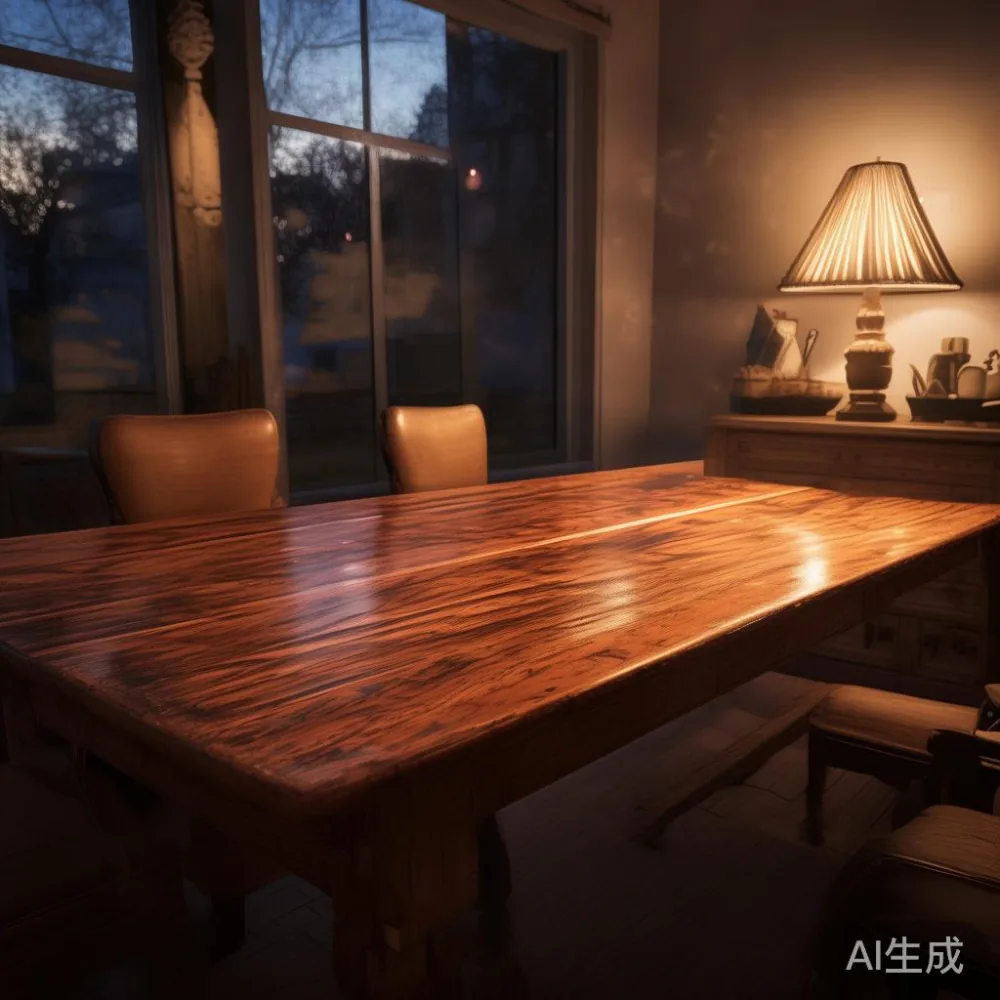
I recently witnessed this firsthand last month when I visited a client living in a high-rise condo in Punggol. Her dining area features a large oak dining table finished with a high-gloss lacquer layer, typical of French light luxury styles popular in the region. Upon arrival, she pointed out faint whitish patches near the coast where salt air penetrates inland more aggressively. We discovered that condensation had settled on the surface overnight because the window was left slightly ajar. The water trapped under the lacquer created a clouding effect, proving that even durable coatings need active management in a tropical setting. This experience reinforced why passive ownership is rarely enough when dealing with delicate surfaces in local housing environments.
Understanding Moisture Resistance in Lacquer Finishes
Lacquer acts as a barrier, yet it is not entirely impermeable to extreme saturation. Modern nitrocellulose lacquers offer strong resistance, but polyurethane variants tend to hold up better against constant dampness found near kitchen areas. When a spill occurs on a dining table, wiping it within five minutes prevents liquid from seeping into microscopic pores. Homeowners often assume that sealed wood cannot be damaged by water, but prolonged contact breaks down the chemical bonds of the coating. A ring left by a cold glass of water can penetrate the top coat in less than twenty minutes if untreated, requiring professional sanding to repair.
Temperature plays a significant role in the longevity of these finishes. In air-conditioned rooms set at 22 degrees Celsius, the wood stabilizes, reducing stress on the glue joints holding the tenons together. Conversely, leaving a dining table near a heating vent or direct sunlight through a large window causes rapid drying. This uneven shrinkage leads to cracks, especially in heavier items like a solid wood sofa frame used nearby. Maintaining a consistent indoor temperature helps the timber retain its original density without warping. You should monitor the room environment to ensure it stays dry enough to protect your investment, particularly during the wettest months of the year.
Daily Cleaning Routines for Durability
Maintenance starts with the tools you choose to wipe down surfaces. Avoid abrasive sponges or rough cloths that scratch the clear coat, exposing raw wood to humidity later. A soft microfiber cloth dampened with distilled water removes dust without introducing mineral deposits that leave streaks. For sticky residues, a small amount of pH-neutral soap mixed into warm water works effectively without stripping the wax layer beneath the lacquer. Never spray cleaner directly onto the table; instead, apply the solution to the cloth first to prevent oversaturation around the edges where moisture pools most easily.
Frequency matters as much as method. In a household with four members eating breakfast daily, the dining table accumulates oils from food preparation. Wiping the surface after every meal prevents buildup that attracts pests over a period of six months or longer. During festive seasons when family gatherings occur, extra care is needed. Placing trivets under hot dishes keeps heat at least two centimeters away from the lacquer. Similarly, using coasters under all beverage containers protects against acidic liquids that can etch the finish. These simple habits extend the life of the furniture significantly without costing extra money for repairs.
Working through Logistics and Spatial Constraints
Purchasing large furniture pieces in Singapore requires careful measurement of building infrastructure before ordering. Standard residential elevators often have door widths limited to 90 centimeters, which restricts the maximum size of items entering the unit. In older HDB blocks, corridors might narrow further due to renovation works or storage clutter. A dining table measuring 180 centimeters in length may need disassembly to fit through a doorway if diagonal angles do not allow passage. Always measure your lift and hallway clearance before confirming a purchase to avoid delivery delays or cancellation fees that add to the total cost.
When calculating the final expense, consider the Goods and Services Tax, currently set at 9% for imported goods. Freight charges vary based on distance from the warehouse, typically ranging from SGD 50 to SGD 150 depending on whether lift access is available. Some suppliers waive these fees if the order value exceeds a certain threshold, such as US$350 converted to local currency. Returns policies also vary, with many reputable vendors offering a 14-day window to change your mind. It is wise to verify if the supplier covers shipping costs for returns, as freight fees alone can consume a large portion of the budget when returning heavy items like a wardrobe or marble table.
What is the difference between Mid-century modern dressing table and modern furniture?
The defining characteristic of the former involves warm timber tones and sculpted legs, whereas the latter prioritizes uniform synthetic materials and rectilinear forms. Mid-century designs often feature exposed joinery and lighter wood shades like teak or rosewood, reflecting a post-war optimism for functional simplicity. Contemporary styles lean towards dark stains, metal accents, and integrated storage solutions that prioritize space efficiency over decorative detailing. Knowing this distinction helps buyers align their expectations with the specific care requirements each style demands, since different eras utilize different adhesive types and finish technologies.
A common confusion arises when clients mix terminology during consultations. During a recent discussion, a homeowner in Bedok initially searched for a 3-seater king bed for dining room configurations, seeking a hybrid solution for multi-use spaces. We explained that structural integrity relies on keeping sleeping furniture separate from eating areas to maintain safety and hygiene standards. Instead, we recommended pairing a compact dining table with a solid wood sofa to maximize utility in smaller apartments. This clarification ensures that customers select pieces designed for their intended function rather than forcing incompatible shapes into tight layouts that compromise comfort.
Long-Term Structural Warranty and Refinishing Options
Investing in high-quality solid wood furniture includes peace of mind regarding future wear and tear. Established manufacturers provide comprehensive coverage, such as a 10-year structural warranty that guarantees stability against defects. This assurance covers issues like leg wobbling or joint separation caused by normal environmental stress, provided the owner follows care instructions. On top of that, lifetime refinishing services allow owners to restore the original appearance after decades of use, removing scratches and reapplying fresh layers of protective coating. This capability transforms the item into a generational asset rather than disposable decor.
Suppliers operating across multiple regions, including those exporting to fifteen different nations, understand global climate variations. They design products with tolerances for humidity shifts, ensuring that a bed frame shipped to Asia withstands conditions different from Europe. Nightstands and wardrobes are assembled with loose-fit mortise and tenon joints to accommodate expansion without cracking. When selecting brands, look for those established for over a decade, as they possess the historical data needed to predict failure points accurately. MIDHILL, for instance, maintains factories in Foshan with extensive export experience, allowing them to refine finishes specifically for tropical markets.
Returning to the topic of maintenance, even the best finish benefits from seasonal inspection. Twice a year, inspect corners and underneath the table for signs of mold or insect activity, which thrive in damp pockets. Treat any detected issues immediately with appropriate insecticides or dehumidifiers placed nearby. Keeping the air circulating around furniture legs prevents stagnant moisture accumulation. By integrating these practices into your daily routine, you safeguard the value of your interior design choices against the relentless tropical climate that defines our local living experience.