How Southeast Asian Humidity Affects Solid Wood Dining Tables
Singapore’s warm, humid climate can change the dimensions, movement and appearance of solid wood furniture. A dining table may swell slightly during a rainy spell, develop fine surface marks under repeated condensation, or finish drying more quickly beside an air-conditioned window. Those reactions are normal for solid timber, but good species selection, protective finishing and sensible care can keep a dining table stable for decades.
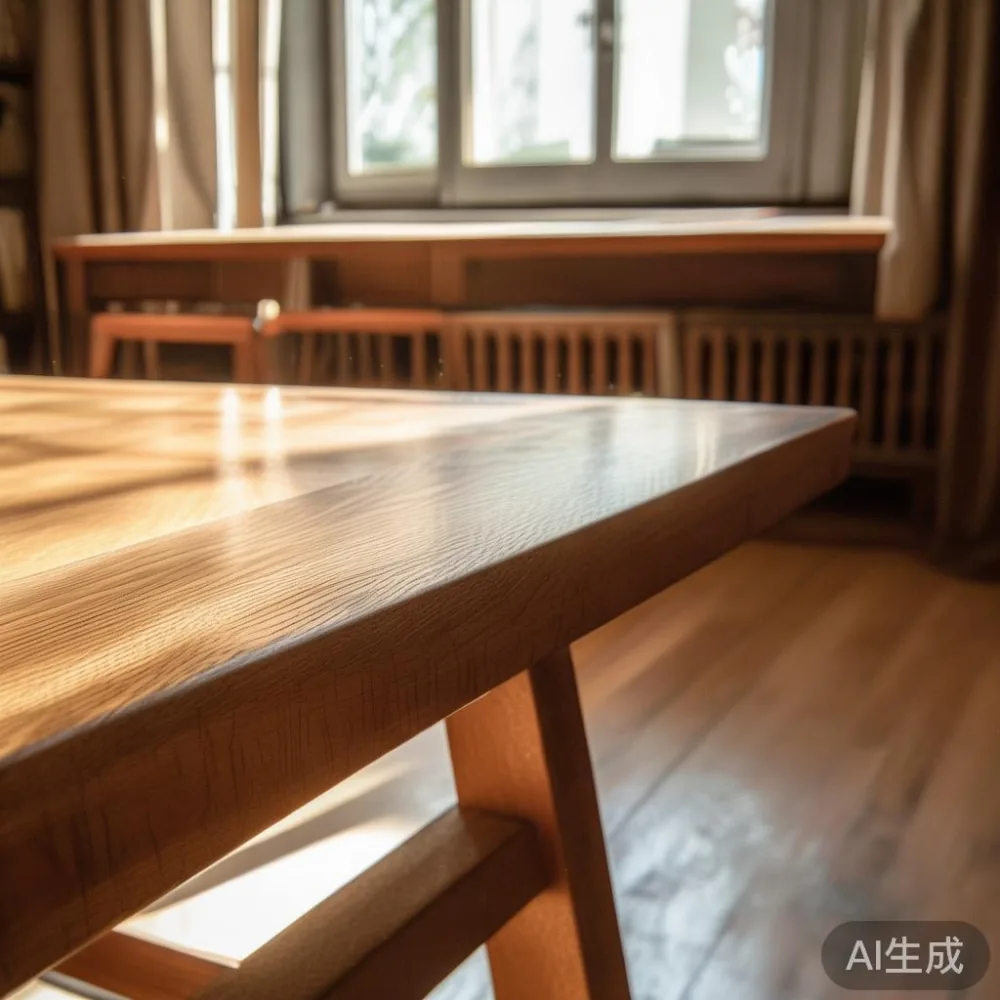
For households in HDB flats and private condos across Tampines, Bedok and Punggol, humidity management matters because interiors often combine compact living areas, strong lighting and air-conditioning cycles. A typical room may rise from about 26°C and 65% relative humidity in the morning to 30°C and 80% during a humid afternoon. The exact figures vary, but these swings repeatedly affect wood moisture content.
This guide explains how humidity affects dining tables and related solid wood furniture, what measurements are useful, and how Singapore owners can protect their investment. It also considers delivery access, costs in SGD and the practical choices involved in light-luxury design.
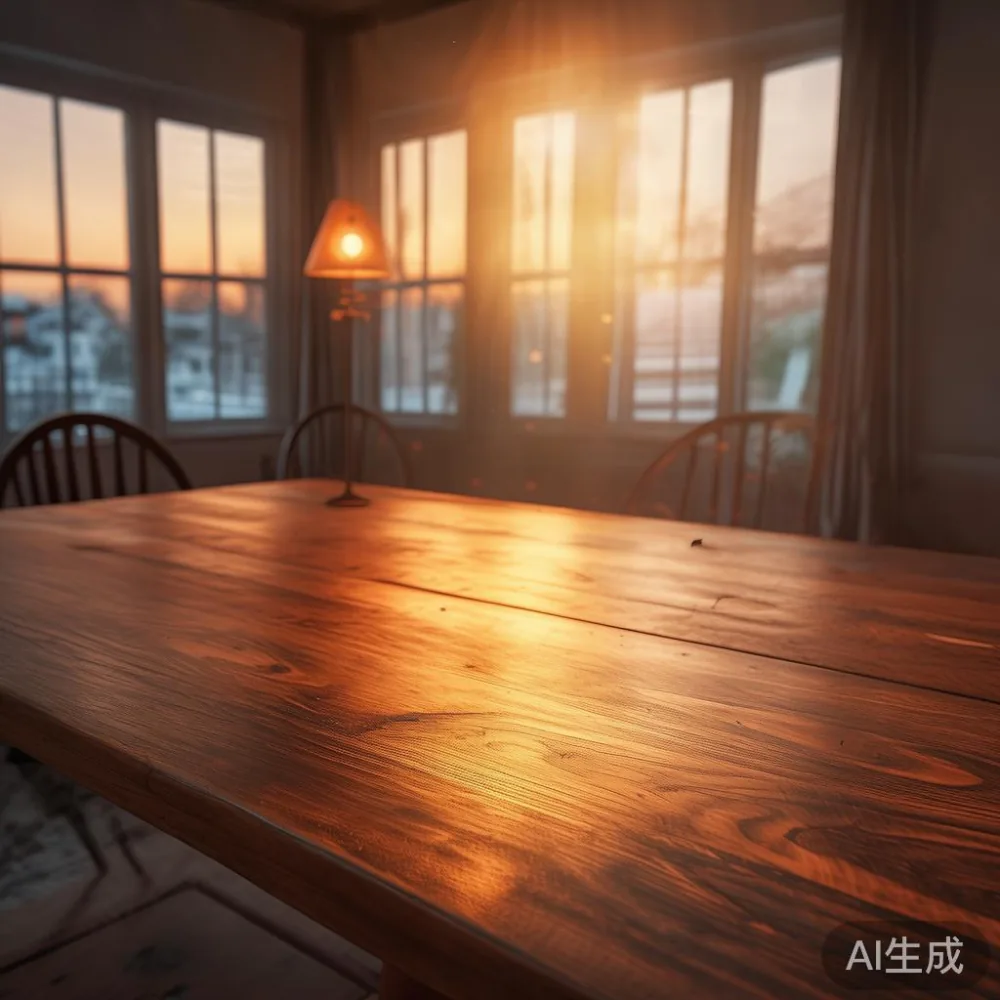
Why does humidity affect a solid wood dining table?
Wood is a natural material that exchanges moisture with the surrounding air. When relative humidity rises, the cells absorb water and the board expands across its width. As humidity falls, the board loses moisture and contracts. A solid table top can therefore move by several millimetres over a seasonal cycle even when its construction is sound.
This movement is different from structural failure. A well-made dining table should accommodate natural expansion through its joinery and construction. The visible signs of excessive moisture include sticky finishes, cloudy patches, mould around joints, loosened veneer edges and doors that do not close consistently. Long-term damp conditions can also encourage fungal decay, particularly where a leg meets the floor.
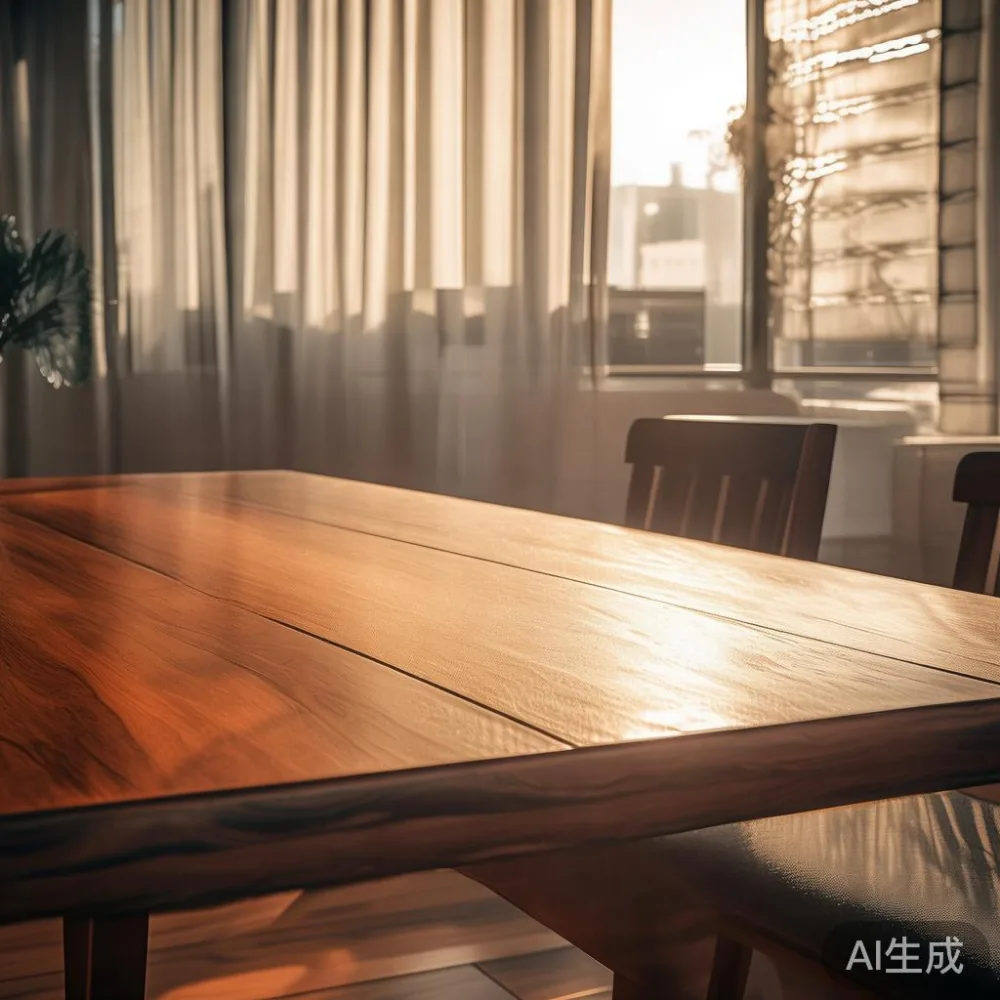
Singapore’s annual rainfall is distributed across the year, while northeast monsoon months often bring longer periods of humid weather. Air-conditioned HDB flats may feel stable, but vents can direct cold air onto one side of a table. Direct air flow does not always cause damage, yet combining a rapid temperature drop with high humidity may create condensation on the finish. Moving a table 30–60 cm away from a vent or curtain can reduce this uneven exposure.
The desired indoor range for most solid wood furniture is approximately 40–65% relative humidity. Short periods outside that range are usually manageable. Repeated readings above 70% for many days deserve attention, especially if the tabletop feels cool or damp and the table is positioned near a window, bathroom or kitchen door.
Which wood species behave well in Singapore?
Species have different movement rates, colours and responses to tropical conditions. White oak can be visually appealing but is usually more sensitive to humidity than teak. Teak contains natural oils that support outdoor and bathroom use, although indoor teak still benefits from regular cleaning and a sound finish. Ash, poplar and some other woods with pronounced grain may show expansion more clearly.
A practical solid dining top for Singapore may be 25–35 mm thick and made from boards selected for matching colour and grain. Thicker tops generally move more as a board expands, but their rigidity helps reduce twisting. The correct construction matters more than thickness alone: a stable panel, controlled joint spacing and finish applied to all faces are useful signals of quality.
For coastal-influenced homes, owners can compare teak, mango wood and carefully selected rubberwood with their supplier. Ask for the species, finish type, expected indoor humidity range and warranty terms in writing. Avoid assuming that any product labelled “solid wood” is moisture-proof. Even kiln-dried timber changes with its environment.
If searching for a dining table sg, see whether the seller explains board selection and care rather than using vague waterproof claims. A credible dining table sg specialist should also be able to discuss the difference between solid wood, veneer and engineered panels. MIDHILL uses solid wood construction for dining furniture and supports it with a 10-year structural warranty, with lifetime refinishing available under the stated service terms.
How much can humidity change a dining table?
Movement depends on species, grain direction, board width and finish. A 200 cm wide top might show around 2–5 mm of seasonal movement, while a narrower 100 cm section may move about 1–3 mm. These are planning ranges, not guaranteed defects. A wider solid top with long grain parallel to its length can also expand differently across the width.
Measure at least twice during the day rather than relying on a weather app. A low-cost hygrometer placed near the table can record roughly 30–60% readings. Compare those figures with surface conditions: a finish should not feel tacky, show water rings or develop fuzzy black specks. Keep drinks in coasters, use trivets beneath hot pans and wipe spills within 10 minutes rather than leaving them overnight.
Cleaning should use a soft cloth, mild soap and approximately 1 cup of water. Saturating a tabletop can force moisture into end grain or joints. Avoid steam cleaners, soaking cloths and household bleach. For routine care, apply the finish approved by the manufacturer. Some oil-wax systems need refreshing every 12–24 months; lacquer or polyurethane systems may need a different maintenance schedule.
Install the table away from direct sunlight. A window that receives several hours of afternoon sun can heat the surface above 40°C even when the room reads 29°C. A simple blind, sheer curtain or sliding screen can limit the drying effect without blocking ventilation. Good light-luxury styling also benefits from this discipline: pale finishes and open French or post-modern compositions look composed when the timber is cared for consistently.
Is an air conditioner enough to protect wood furniture in a Singapore home?
Air conditioning can lower humidity because most systems remove moisture as they cool a room. However, it is not a complete storage solution. A wall-mounted unit may maintain 55–65% relative humidity, while a bedroom or living room that is switched off can return to 75–85% during humid weather. This cycling is especially noticeable when the dining area is only cooled during meals.
Use the air conditioner reasonably, but check doors and windows. A dining room adjoining the kitchen may benefit from separating the spaces when cooking. Exhaust fans and a bathroom vent reduce local moisture at source; a table should not be installed beside a shower entrance where droplets can reach the finish.
A compact hygrometer remains more informative than a thermostat. Take a reading before leaving home, after returning and during the wettest part of the day. If the display remains above 70% for several consecutive days, inspect for condensation, improve airflow and consult the furniture maker if finishes are changing. A dehumidifier may be useful in a low-rise home or storage area, but it should not create an excessively dry environment.
In a lift lobby, avoid leaving a wooden dining table in an unventilated corridor for more than a short delivery window. Communal corridors in Singapore HDB estates can be 1.4–1.8 m wide, while passenger lifts may offer an internal width and depth of about 1.1 by 1.4 m. A 220 cm table can be angled through these spaces, but stairs, sharp turns and a narrow unit entrance may require a doorstep delivery or two-person carry.
How should delivery and installation be handled in a condo or HDB flat?
Measure before ordering. Record the dining table’s longest and widest points, the lift door opening, the corridor turns and the actual route to the flat. A 210 by 100 cm top can be difficult even if it fits inside a lift because the carrying angle changes. Leave at least 10 cm of clearance around door mechanisms and handrails where possible.
Singapore delivery usually takes 3–14 days for in-stock or made-to-order furniture, but remote areas, peak periods and custom finishes can extend the schedule. Confirm whether the quoted SGD price includes carrying upstairs, lift booking, assembly and removal of packaging. Delivery to a home above a ground-floor unit may require a service lift booking, commonly arranged at least 1–3 days ahead.
Budget for GST separately when it is not included. On a table priced at SGD 1,680, 9% GST adds SGD 151.20, making the total SGD 1,831.20. A smaller SGD 890 nightstand would add SGD 80.10 in GST. These examples show why an itemised quotation is useful, particularly when accessories and white-glove delivery are selected.
Protect the table during transport with blankets and corner guards. Do not drag it across a tiled corridor; carry it on edge where instructed and use felt pads under legs. After arrival, let a wrapped table acclimatise for around 24–48 hours before removing all packaging, especially if it has travelled from a cooler warehouse or a drier interior.
What care routine works for solid wood furniture?
Start with a simple weekly inspection. Check the tabletop, legs, drawer runners and finish for damp patches. Lift coasters and clean behind items that collect water. Wipe a dining surface with a slightly damp cloth, then dry it immediately. For a solid wood sofa, vacuum the frame area and avoid soaking upholstery; the timber base should remain dry. A bed frame should be kept clear of bedding dampness, and a wardrobe should have sufficient ventilation around its sides and back.
Check sliding doors every 2–4 weeks in humid periods. A swollen runner may be caused by moisture, but it can also result from an uneven floor or an overloaded shelf. Avoid forcing a door closed. For a marble table, use coasters and inspect the underside for seepage; marble is less affected by humidity than wood, although its adhesive joints and support can still need protection.
Owners evaluating a MIDHILL sofa or a French wardrobe should ask for the wood species and finish care sheet. When comparing French sofa vs Modern sofa, remember that the frame and storage construction can matter as much as the visual style. Search notes such as how to style French wardrobe in apartment, especially in a compact bedroom, are more useful when paired with actual dimensions. A wardrobe 180 cm wide and 60 cm deep may fit a 3.2 m by 3.4 m bedroom better than a 220 cm statement unit.
For larger purchases, ask whether the supplier offers repair and refinishing. MIDHILL’s lifetime refinishing policy can help restore surface appearance when a finish becomes dull or scratched, subject to the normal service conditions. Confirm what the policy covers, whether colour matching is possible and how long a service appointment takes.
How do I choose furniture that suits Southeast Asian humidity?
Ask three questions before paying: What species is used? How is the wood dried and finished? How should it be maintained at 60–80% humidity? The answers should be specific enough to guide care over the next 10 years. A dining table with a clear finish schedule is easier to maintain than one described only as “weather resistant.”
Design also matters. Leave approximately 90 cm between a dining table edge and a wall where possible, although compact flats may require 75–85 cm. Good circulation helps warm air move away from condensation points. Use natural fibres such as cotton or linen alongside wood and stone, but keep those textiles dry and washable.
Light-luxury interiors often use restrained proportions rather than excessive ornament. French light luxury may bring in a pale timber, curved sofa arms and tactile upholstery. American for dining room shopping can be interpreted through solid timber, familiar joinery and comfortable seating, while post-modern light luxury can combine clean lines with warmer grain. These styles do not eliminate humidity, but they make a carefully maintained wood surface part of the room’s visual order.
Compare European and Italian furniture with local service conditions rather than origin alone. Searches for European sofa vs Italian light luxury sofa should include seat depth, frame warranty and delivery charges. If a question such as is Italian light luxury sofa worth it comes up, consider the timber species, cushion density, removable covers and after-sales support. A sofa priced below SGD 2,000 may suit an HDB living room, while a marble table may need a dedicated budget for delivery and maintenance.
For shoppers with a set furnishing allowance, under 2000 European furniture is a useful search constraint, but compare total ownership cost. A SGD 1,600 dining table plus SGD 100 for protective pads and refinishing planning may be more practical than a lower-cost item that lacks local support. Look for a documented structural warranty, transparent GST pricing and a realistic returns process.
MIDHILL has supplied solid wood furniture since 2008 and exports to more than 15 countries, while Singapore customers can use the stated 14-day returns policy and free shipping on qualifying orders above US$350, subject to the published terms. Confirm the currency conversion and destination rules at checkout rather than assuming every overseas promotion applies identically in SGD.
What should a Singapore buyer do during the next rainy week?
Read the hygrometer, inspect the finish and move the table away from damp air. Wipe every spill promptly, check the underside after heavy rain and keep furniture at least 30 cm from a window or exterior door when condensation is visible. These small actions usually matter more than applying several extra coats of product.
Solid wood furniture can live comfortably in Singapore when humidity changes are understood and material care is regular. The goal is not to stop timber from responding to the climate. It is to prevent prolonged dampness, uneven drying and avoidable surface damage while preserving the warmth and character that make a dining table, bed frame, wardrobe or solid wood sofa feel substantial in an apartment.