5-Year Cost Comparison: Veneer vs Solid Wood Dining Tables in Singapore
Choosing a dining table for a Singapore home is rarely a simple price comparison. A veneer dining table may look convincing in a showroom, while a solid wood dining table offers a different long-term ownership experience. Over 5 years, however, the gap depends on more than the initial invoice: surface durability, repair frequency, moisture exposure, delivery access, and resale value all affect the real cost.
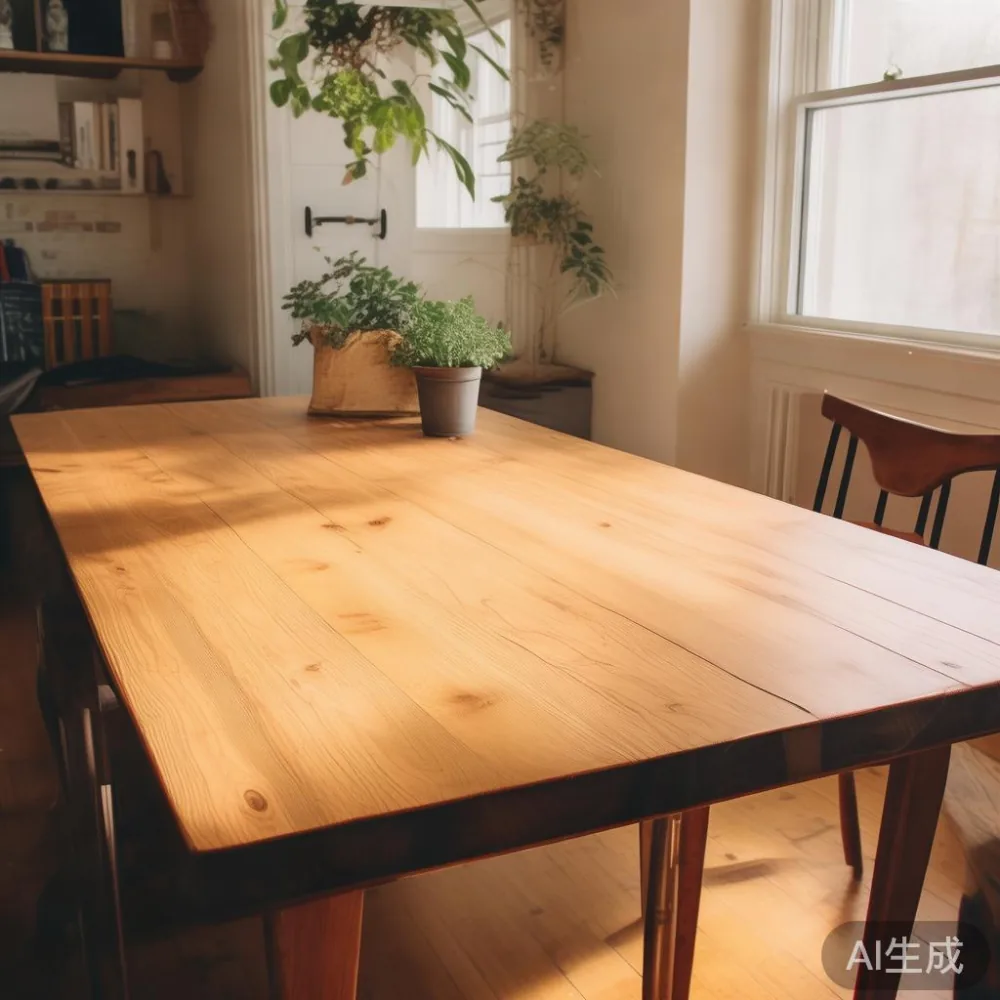
This comparison focuses on dining tables suited to HDB flats and condos in Tampines, Bedok, and Punggol. The figures use indicative Singapore retail prices in SGD, including GST where stated, and model likely ownership scenarios rather than promising identical outcomes for every household. For readers also comparing a solid wood sofa, bed frame, wardrobe, nightstand, or marble table, the same discipline applies: judge the complete ownership cost, not merely the product label.
MIDHILL is a Foshan solid wood furniture maker established in 2008, with export experience across 15+ countries, a 10-year structural warranty, lifetime refinishing, free delivery above US$350, and a 14-day return policy. These details are relevant because a five-year calculation is more credible when a seller can explain how repairs, finishes, and structural issues are managed.
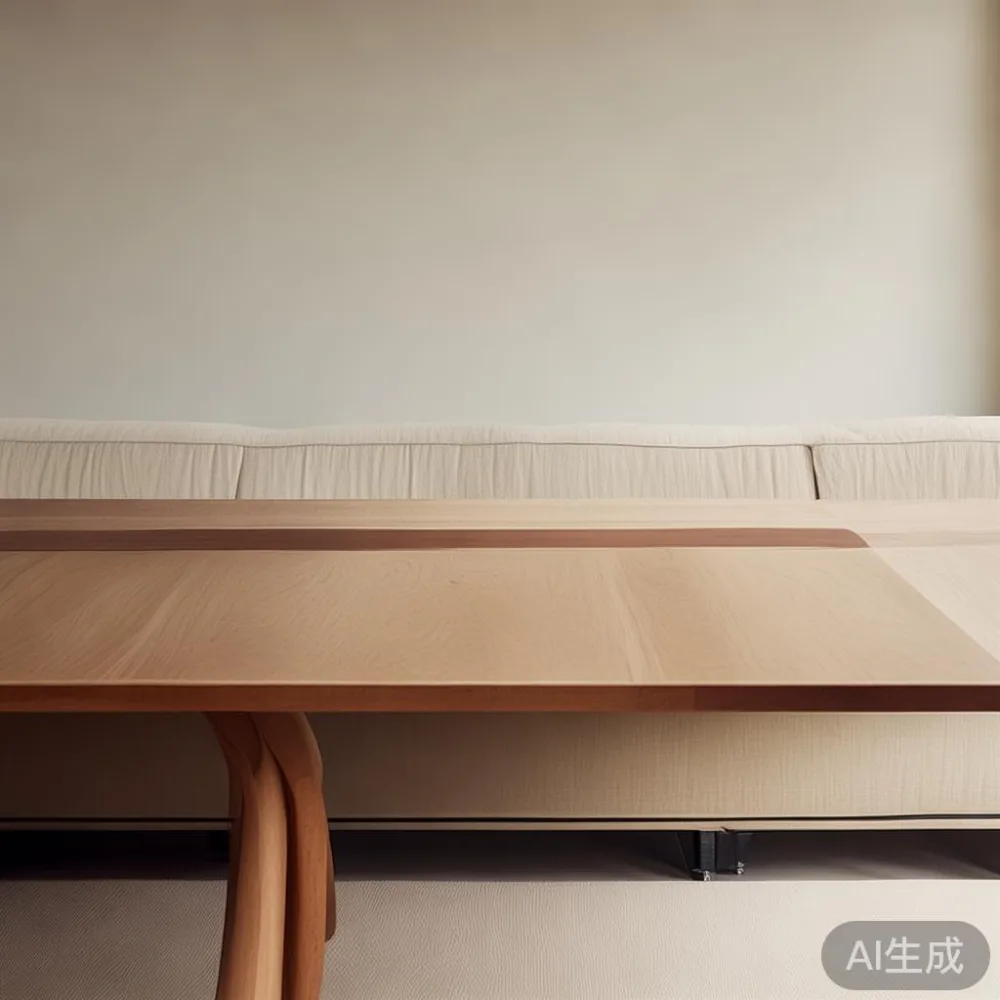
What does a dining table sg comparison really include?
A fair dining table sg comparison separates the purchase price from the costs that appear later. For Singapore, those later costs can include replacement felt pads, professional cleaning, refinishing, delivery through a building corridor, and the value lost when a damaged surface cannot be repaired.
For this exercise, compare a 180 cm veneer dining table priced at SGD 1,280 with 9% GST, making SGD 1,395.20, against a 180 cm solid oak dining table priced at SGD 2,480 with 9% GST, making SGD 2,703.20. The veneer table uses a 20 mm engineered-wood core with a 0.6 mm veneer face. The solid wood model uses 20 mm kiln-dried oak boards with a hardwax-oil finish.
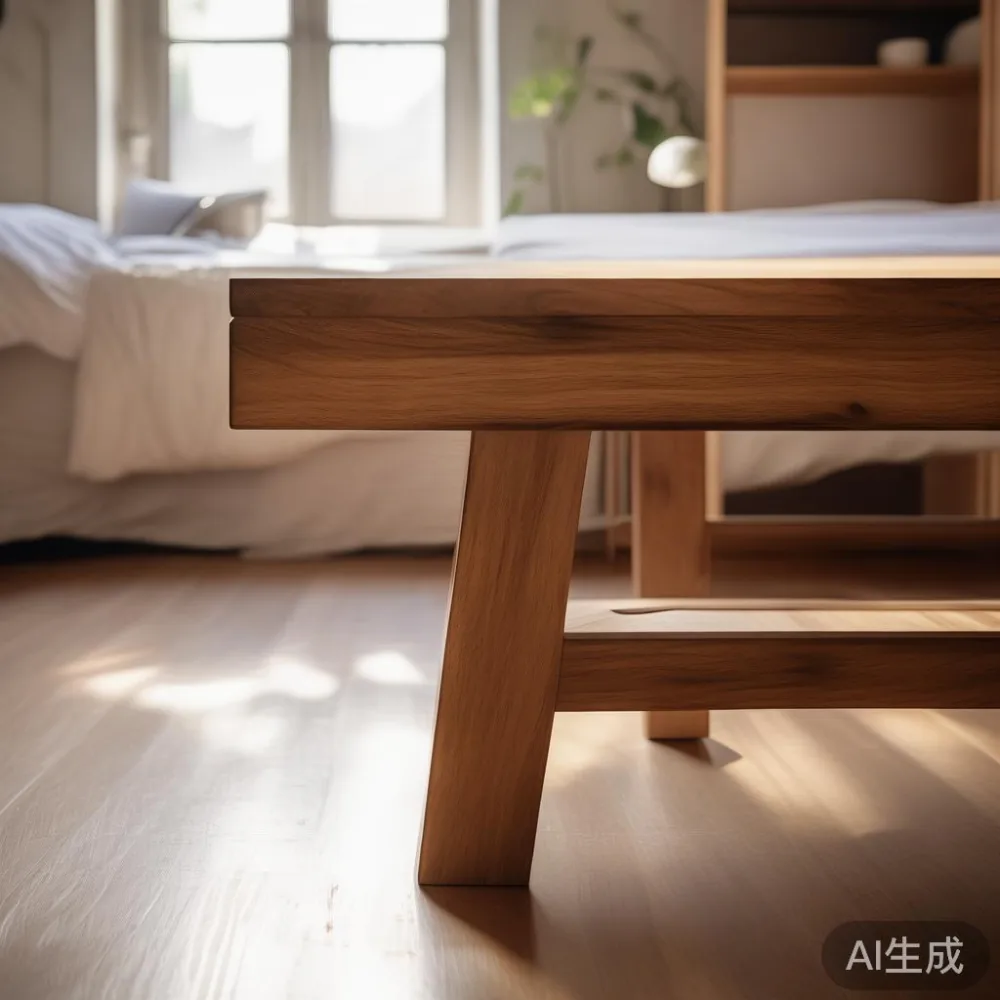
Both are assumed to weigh 58 kg and 52 kg respectively, to fit through a standard HDB entrance with 90 cm door openings or many condo lift doors. Actual access must be checked, especially where corridor widths narrow to 80–85 cm or a table has wide extensions.
How much does a veneer dining table cost over 5 years?
The veneer dining table starts at SGD 1,395.20. To model everyday wear, assume four diners use it daily, with an average of 3 spilled drinks and 8 knife or ring marks each year. The assumed local replacement and care budget is:
- 8 replacement felt pads at SGD 4.50 each: SGD 36 over 5 years.
- 2 professional cleanings at SGD 95 each: SGD 190.
- 1 partial veneer repair at SGD 240: SGD 240.
- 1 refinishing-related charge of SGD 180 because the original surface cannot be fully restored: SGD 180.
- Delivery and stair handling of SGD 120: SGD 120.
That produces a five-year cash cost of SGD 2,161.20 for the veneer table: SGD 1,395.20 in purchase cost plus SGD 766 in ownership expenses. It is useful to retain the purchase and repair components separately, because a buyer may replace the table before year 5 and avoid some future costs.
Veneer can still be sensible for a secondary dining area, a condominium dining room with controlled humidity, or a table protected by placemats and coasters. It is less attractive where children eat daily, where a built-in dining table sits beside a kitchen, or where the table will remain in use for 15–20 years.
How much does a solid wood dining table cost over 5 years?
The solid wood dining table starts at SGD 2,703.20. Under the same use pattern, assume 8 felt pads at SGD 4.50 each, 2 professional cleanings at SGD 95 each, 1 scratch repair at SGD 120, and 1 refinishing service at SGD 280. Add SGD 160 for delivery and stair handling because the solid table is heavier and needs more careful movement through Singapore corridors and lift lobbies.
The five-year cash cost is SGD 3,641.20: SGD 2,703.20 for the table plus SGD 938 in ownership expenses. The initial premium is SGD 1,308, but the solid wood table can be refinished rather than replaced, retains more structural integrity, and usually commands a stronger resale position. If it is sold after 5 years, a conservative private resale estimate of 45–55% of the original purchase price is SGD 1,216–1,487. A comparable veneer table may fetch only 20–30%, or about SGD 279–419.
This does not mean solid wood automatically costs less in cash. It means more of the expenditure remains embodied in a usable asset. In this sample, the veneer table has a five-year cash cost of SGD 2,161.20 but little recoverable value; the solid wood table costs SGD 3,641.20 and leaves an estimated residual value of SGD 1,216–1,487. On a conservative “cost minus resale value” basis, the solid table is around SGD 2,154–2,425, compared with roughly SGD 1,742–1,882 for veneer.
Which surface handles Singapore humidity better?
Singapore’s climate makes substrate selection important. Relative humidity commonly varies between 65% and 85%, while air-conditioned interiors may sit closer to 50–60%. Solid wood can move by roughly 1–3 mm across a 180 cm width as humidity changes, especially with wide single-slab construction. Proper seasoning, joinery, and a stable finish help control that movement.
Veneer is not inherently weak in every direction. A sound engineered core can resist warping well, but the thin decorative face is vulnerable to edge chipping, deep scratches, bubbling, and delamination if moisture enters the substrate. An edge lift at the corner of a dining table is particularly visible during meals and can reduce resale appeal quickly.
Solid oak also needs disciplined care. Wipe spills within 15 minutes, keep standing water away from the legs, and avoid placing a hot pot directly on the surface. Use a stable trivet rated for 120°C and a humidity meter maintained around 45–60% inside the home. These numbers do not guarantee zero movement, but they create a more predictable environment for a dining table sg purchase.
Do delivery and building access change the economics?
Yes. A heavy solid wood table can cost more to deliver into a HDB flat or condo, yet poor access can damage the table before the owner sees it. Measure the lift door, lift cabin depth, corridor turns, and the shortest route to the dining area. Do not rely on a nominal “fits in the lift” statement.
For a rectangular dining table, record the longest packaged dimension. A 190 cm package may require tilting through an 85 cm doorway, and a 210 cm package may not fit a 200 cm lift diagonally. MIDHILL’s delivery terms should be checked against the destination and access conditions, while the free-shipping threshold above US$350 should be confirmed for the final SGD quotation.
In February, I visited a colleague’s new 3-room HDB flat in Tampines and helped measure the route from the ground-floor lobby to the dining area. The lift door measured 88 cm, the narrowest corridor section was 96 cm, and the dining opening was 104 cm. A 200 cm boxed solid wood table could have been maneuvered, but the 78 kg package required two people and temporary removal of a shoe cabinet. That visit made delivery labour part of the ownership calculation rather than treating it as a small afterthought.
For Bedok and Punggol condos, parking, loading bays, lift booking, and service corridors can also create a delivery surcharge. A short quoted lead time of 5–10 delivery days should include a buffer of 2–3 days for access checks and lift reservation.
Is solid wood worth the higher price for a Singapore dining table?
In the model above, the solid wood dining table requires an additional SGD 1,308 at purchase, but offers a higher retained value and a repair route that veneer cannot match. If the table is used daily for at least 5 years, solid wood is generally the stronger financial choice. If the dining area is temporary, the table will be sold within 2 years, or the household protects it with placemats and replaces furniture frequently, the lower upfront veneer cost may be more practical.
The style should also be considered without allowing marketing language to replace arithmetic. A French light luxury dining table with pale oak, restrained profiles, and upholstered seating can make a compact HDB dining area feel composed. American light luxury can use deeper walnut tones and thicker edges, while post-modern light luxury may combine clean geometry with subtle mixed-material details. None of these approaches changes the need for a stable substrate.
For a complete room, shoppers may encounter phrases such as for sale Boho furniture, MIDHILL European light luxury wardrobe, best Japandi wardrobe for 2026, and how to choose Japandi wardrobe. Those search terms belong to wardrobes and broader interiors, so they should not be treated as evidence about a dining table. Similarly, Industrial for dining room describes an aesthetic, not a five-year cost category. A brief comparison with a best Minimalist sofa for 2026 may help establish a visual theme, but sofa cushions do not predict how a dining surface ages.
Other materials require their own evaluation. A marble table may suit a cool light-luxury interior, but it is unforgiving of heat and can be difficult to move. A solid wood bed frame, wardrobe, nightstand, or solid wood sofa should be assessed separately for its function and warranty. A dining table sg buyer should focus on grain continuity, joinery, underside construction, finish type, moisture protection, and repair support.
What maintenance costs should Singaporean buyers budget?
Budget about SGD 400–700 over 5 years for normal care of either table, including pads, cleaning, and small repairs. Reserve another SGD 280–600 if a solid wood surface needs a full refinishing service during that period. For veneer, set aside a possible SGD 240–500 for edge or face repair, and remember that a full cosmetic restoration may be impossible.
Clean a solid wood table with a damp microfibre cloth and a pH-neutral cleaner. Avoid silicone-based sprays, ammonia, and rough scouring pads. Test any cleaner on a 10 cm area and wait 24 hours. Use felt pads under every leg and replace them every 12–18 months. Apply a wax or oil maintenance product only according to the finish manufacturer’s instructions.
For veneer, keep the edges dry, avoid steam mopping around the perimeter, and inspect the underside every 6 months for swelling or lifting. A simple moisture reading with a meter is helpful, but the finish and substrate matter more than a single number.
Warranty documents should state whether refinishing is available to the original purchaser, whether labour is included, and how claims are processed. MIDHILL’s 10-year structural warranty and lifetime refinishing policy provide a clearer framework than a vague promise of “easy maintenance,” while the 14-day return period offers time to inspect fit and finish after delivery.
Which option gives the better 5-year result?
On pure five-year cash spending, the veneer dining table is less expensive. On value retained after five years, repairability, and daily durability, the solid wood dining table has the stronger result. In this example, the solid table costs SGD 1,480 more in gross expenditure but retains about SGD 800–1,200 more resale value. That creates a practical net premium closer to SGD 280–680, before counting the time and disruption of replacing a damaged veneer top.
The final choice should follow household use. Choose veneer for a low-intensity, temporary space where the design comes first and replacement is acceptable. Choose solid wood for the daily family table, a long-lived condo, or anyone planning to keep and resell the furniture over a 10–20 year period.
Before paying, request the delivered price in SGD, confirm GST, measure the access route, review the finish warranty, and ask for a written repair process. Request samples of the finish, study the grain from several angles, and sit at the table for 20 minutes to check legroom. A dining table sg decision made with the full five-year cost in view is more likely to remain both financially and visually satisfying after the showroom has faded from memory.