Furniture Warranties for Singapore Buyers Explained
I learned to take warranty fine print seriously after a S$2,400 dining table I bought for my Tampines HDB flat developed a hairline crack along the apron eight months in. The seller pointed to a clause I had skimmed past, and the repair quote came back at S$620. Since then I read every warranty like a contract lawyer, and the same approach has saved my colleagues in Bedok and Punggol from similar surprises. A warranty is not a marketing leaflet. It is a bounded promise with a start date, an end date, a list of covered defects, and a list of exclusions that quietly shrink the protection you thought you were buying.
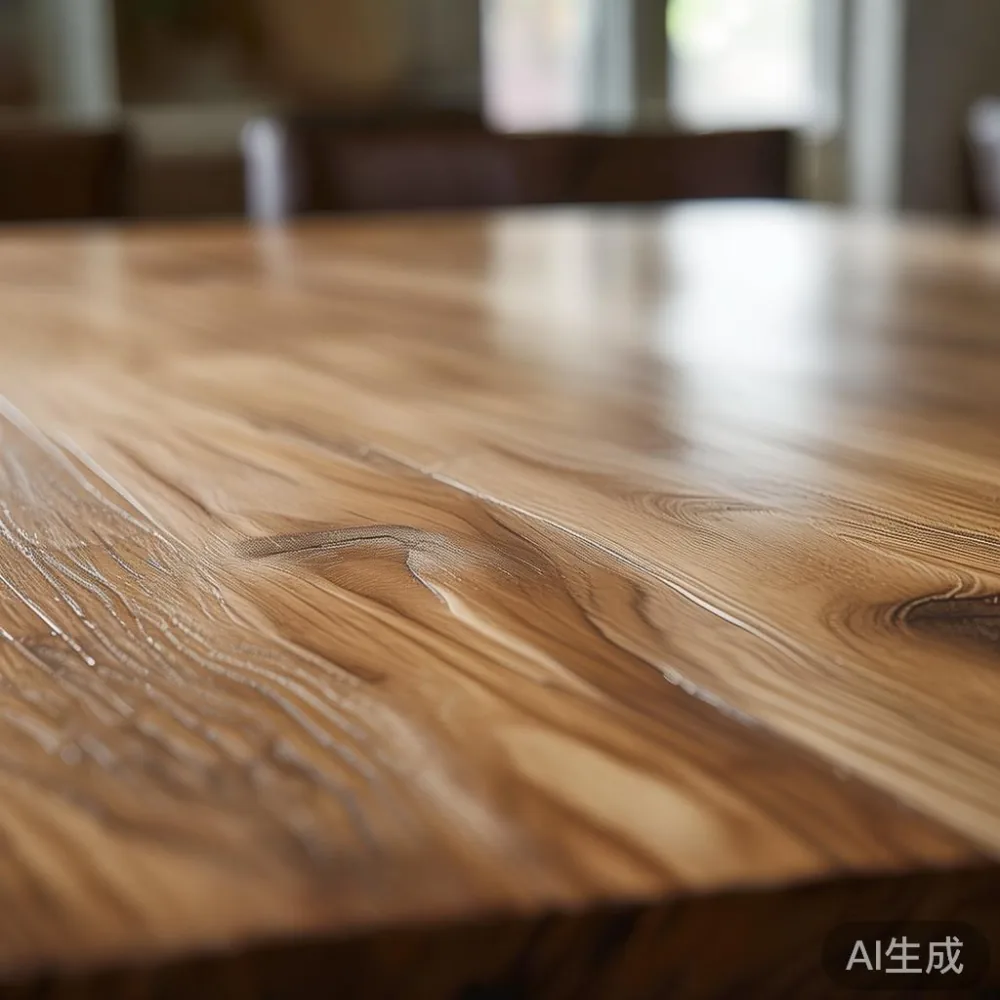
What does a furniture warranty actually cover?
A warranty covers specific defects in materials and workmanship under specific conditions, for a specific number of years, from a specific starting date. That sentence sounds obvious until you try to claim on it. Most furniture warranties split coverage into two layers. The first layer is the frame and structural joints, often warrantied for 5, 10, or even 15 years on a solid wood dining table or bed frame. The second layer covers finishes, hardware, moving parts, and upholstery, usually for 1 to 3 years. Read both layers. If a seller promises "10-year warranty" on the hero banner, check whether that 10 years covers the solid wood sofa frame only, or whether it also covers the cushions, zips, and stitching.
Concrete numbers help. A 1.8 m solid oak dining table sg in a standard four-seater HDB layout weighs roughly 45 to 55 kg. If the warranty excludes "movement of wood due to changes in humidity," you can guess what happens when the dry-season indoor relative humidity in Singapore drops below 50 percent and the panels shift. A warranty that lists "seasonal gapping under 3 mm" as normal is telling you, in writing, that small cracks are not defects. You can accept that, but only after you have seen it on paper.
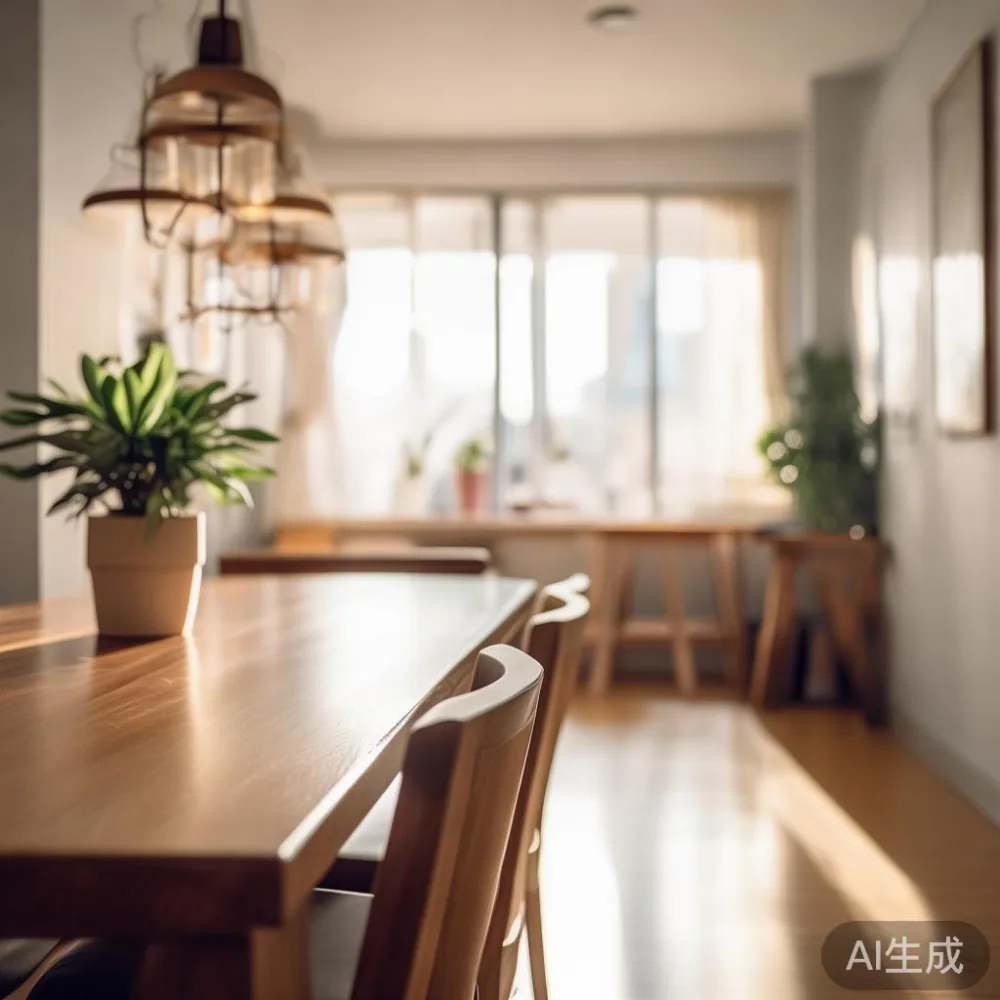
How long should a warranty last for solid wood furniture?
For a solid wood dining table, bed frame, or wardrobe, anything under 5 years on the frame is short. Anything between 5 and 10 years is the realistic industry band for mid-to-upper furniture makers. 10 years and above signals that the factory trusts its joinery and kiln-drying schedule. Lifetime warranties on wood movement are almost always restricted to structural failure, not cosmetic issues, so read the scope before you celebrate. Lifetime refinishing or lifetime hardware replacement is a separate service, not a structural warranty, and the two are often confused in product copy.
For example, MIDHILL publishes a 10-year structural warranty on its solid wood dining tables, bed frames, and wardrobes, paired with lifetime refinishing for surface wear. Those are two different promises covering two different things, and the distinction matters when you file a claim.
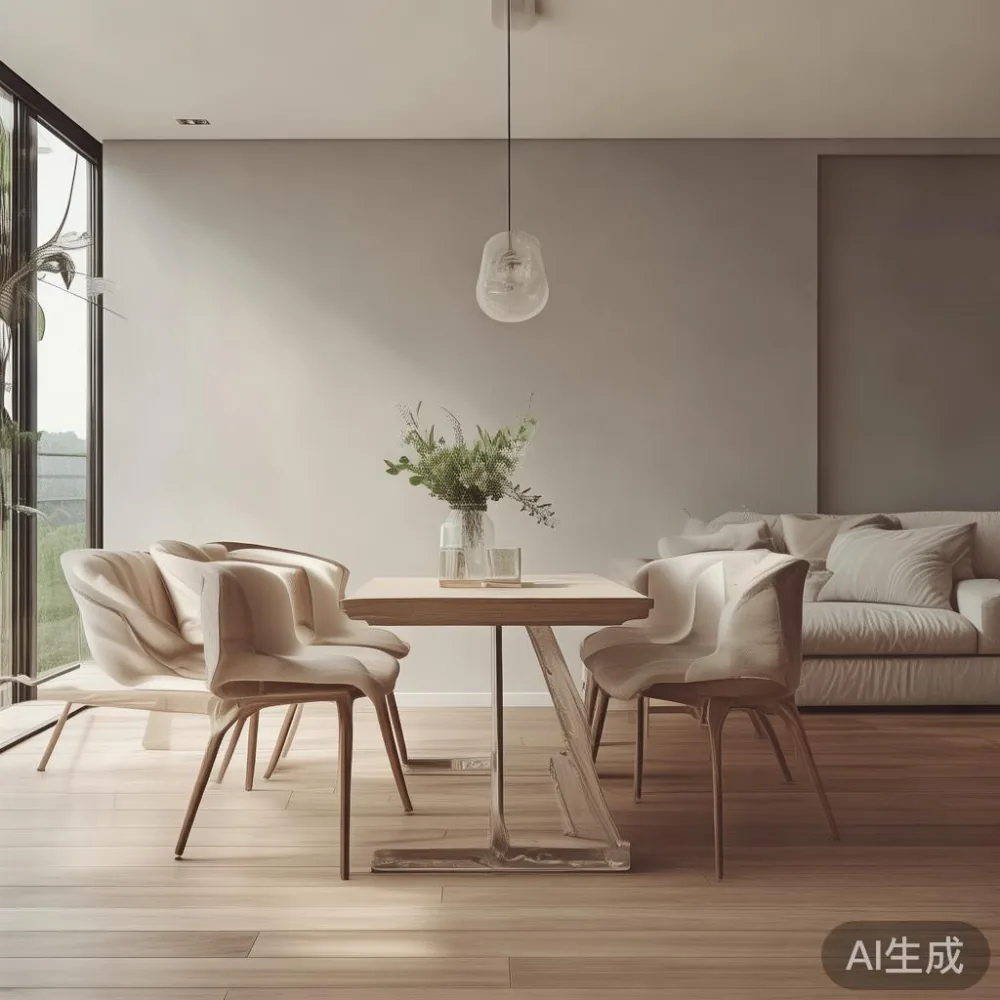
What is the difference between American bed frame and modern furniture?
American bed frame and modern furniture are not direct synonyms; they refer to two overlapping but distinct categories you will see in Singapore showrooms. American style, also called American light luxury when paired with softer upholstery and brass-tone hardware, leans toward generous proportions, deep buttoning, rolled headboards, and visible wood grain on oak or walnut frames. Modern furniture, including post-modern light luxury and French light luxury lines, leans toward slim profiles, clean mitred joints, lacquered or marble surfaces, and tighter tolerances around 1 to 2 mm. A 1.8 m American bed frame in queen size often stands 130 to 150 cm tall at the headboard and weighs 60 to 80 kg, while a comparable modern platform frame is closer to 90 to 100 cm tall and 35 to 50 kg. Warranty-wise, American frames tend to list longer coverage on wooden rails because the joinery is heavier, while modern frames sometimes push the warranty onto the slat system and gas-lift hardware instead.
Which clauses hide the real costs in a furniture warranty?
Three clauses do most of the damage. First, "acts of nature and humidity-related movement" exclusions. Singapore sits between 70 and 90 percent relative humidity most of the year, and air-conditioning swings in HDB flats can pull that down to 45 percent overnight. Any warranty that excludes all humidity response is, in practice, excluding a large share of real-world failures on solid wood. Second, "original purchaser only" clauses. They kill the resale value of your warranty the moment you decide to pass the dining table sg to a relative or sell it with the condo. Third, "pro-rated repair or replacement" clauses that quietly cap the payout at depreciated value, so a S$3,200 dining table claimed in year 4 might only attract a S$1,400 settlement.
Other small print to scan for: requirements to use only the seller's installation team (often S$120 to S$280 in Singapore, on top of the furniture price), mandatory cleaning products, photographic evidence rules, and a 30-day inspection window during which you must report any defect or lose coverage. A good warranty will let you email a single set of clear photos plus the order number; a difficult one will ask for an on-site inspection at your cost.
How do lift sizes and corridor widths in HDB flats affect warranty claims?
This is where Singapore buyers get caught out more than almost anywhere else. A standard HDB corridor in a 1990s block in Bedok is about 1.2 m wide, with a lift car around 1.1 m deep and 1.4 m wide. A 2.4 m marble dining table will not fit diagonally through that lift, and many sellers will not cover damage caused during forced disassembly or hoisting through windows. Check whether your warranty excludes "transport damage after successful delivery," because once the delivery team signs off at your door, the responsibility can quietly shift to you. Some brands instead split delivery into two stages and offer a re-delivery or replacement if access fails, but only if the access check happened before shipping.
Last month I visited a Punggol condo where a couple had ordered a 1.6 m marble table and a compact nightstand for living room use, plus a matching wardrobe. The corridor on the 14th floor measured 1.15 m and the lift was 1.0 m wide. The seller had flagged this at order stage, the customer had approved a hoist through the service window with a S$450 surcharge, and the warranty still covered transit damage because the access plan was logged in writing. That documentation is the difference between a paid claim and a polite refusal. Take screenshots, keep the access survey, and store it next to the invoice.
What does a fair warranty look like for a solid wood dining table?
Five markers tell you whether the warranty is fair. The coverage period on the frame is at least 10 years. The exclusions are listed in plain language rather than vague phrases like "normal wear." The claim process allows email submission with photos and a clear turnaround, often 5 to 10 working days. The warranty transfers to a second owner with proof of purchase, which protects resale. The seller offers labour and delivery within the coverage, rather than charging an inspection fee of S$80 to S$150. If you see three of those five, you are in reasonable shape. If you see all five, you are looking at a furniture maker that expects to honour the paperwork, which is rarer than the marketing suggests.
MIDHILL, for instance, lists each of these markers on its dining table sg warranty page and bundles free shipping above US$350, which converts to roughly S$475 at current rates, plus a 14-day return window for non-custom pieces. That combination matters more than the headline warranty length, because an unreachable warranty is the same as no warranty.
How do finishes change what a warranty covers?
Finishes are where warranties get quietly complicated. Lacquered dining tables in post-modern light luxury styles are usually warrantied against peeling and cracking for 1 to 3 years, but not against heat rings, knife marks, or water stains. Oiled and waxed solid wood dining tables behave differently: the finish is meant to be refreshed, sometimes once a year under Singapore air-conditioning, and the warranty may require that refresher to stay valid. Marble tables, including travertine and Carrara-style tops, often come with a 1-year stain warranty on sealed surfaces and a longer structural warranty on the stone itself, but etching from lemon juice or wine is typically excluded. A compact nightstand for living room use with a marble top will inherit the same rules, just at a smaller scale.
If you live in a Punggol or Tampines flat that gets strong afternoon sun on the dining area, ask the seller about UV-related fading on stained finishes. Some warranties treat sun fading as excluded, others as covered for 2 years. The honest sellers tell you upfront; the others wait for the claim form.
What paperwork should you keep to make a warranty claim work?
Keep seven documents. The invoice with the GST line item, the warranty card or PDF, the delivery note signed by the team, the access survey or pre-delivery checklist, photos of the item within 48 hours of arrival, the care guide, and any email thread with the seller about finish, dimensions, or timing. Photograph the underside of the dining table, the corner joints of the wardrobe, and the slat holders on the bed frame. These are the spots a claims team will ask about, and good photos in week one save S$150 inspection fees later. Store these in a single cloud folder named after the order number, not on a phone you might reset.
How does GST and pricing interact with warranty value in Singapore?
Since the GST rate moved to 9 percent in 2024 and is heading to 9.5 percent in 2025 and beyond, the all-in price of a S$2,800 dining table now includes about S$231 in GST. A warranty that only replaces the table at "current catalogue price" can quietly pay you less than you paid, because the catalogue price may exclude the GST you originally paid, or it may be the post-GST list that is higher than the price you locked in. Check whether the warranty pays out based on purchase price, depreciated value, or replacement value. Purchase price is the safest for you, replacement value the most generous, depreciated value the most common and the worst deal.
Also ask whether the warranty covers the GST on the replacement. It should, because the goods and services tax is part of the price you paid, but several warranty documents I have read this year omit it.
What questions should you ask before you pay for a solid wood dining table?
Ask the seller five direct questions, in writing. First, what is the exact frame coverage period and the exact finish coverage period, separately? Second, what is excluded under humidity and seasonal movement, and at what millimetre threshold? Third, does the warranty transfer to a second owner, and is there a transfer fee? Fourth, what is the labour and delivery cost during a warranty repair, including the inspection fee if any? Fifth, what is the typical claim turnaround time, end to end, in working days? If a seller cannot answer these on email within 48 hours, the answer on day 300 of a claim will be worse.
How do returns and refunds shape the first 14 days of ownership?
A 14-day return window is the safety net under the warranty, not a replacement for it. During those 14 days, you should be able to reject the piece for structural defects, finish flaws, or access-related damage that was not disclosed. After day 14, the warranty takes over, and the rules tighten. Photograph everything on day one, run a flatness check on the dining table with a 600 mm aluminium straightedge, and check the wardrobe doors for square within 2 mm at the top and bottom. Anything you find inside that 14-day window is a return. Anything you find in month 9 is a warranty claim, and the process is slower, the documentation heavier, and the outcome more dependent on the fine print you read in week one.
A warranty is a small legal document dressed up as a marketing promise. Read the structural period, the finish period, the exclusions, the transfer rules, and the labour terms. Keep the paperwork. Measure your lift. And remember that the best warranty is the one you almost never need, because the furniture was built properly in the first place.