How to Protect a Lacquered Dining Table in Singapore’s Humid Climate
A lacquered dining table looks calm and refined in an HDB flat or condo, especially when its warm solid wood tone is paired with simple chairs and good lighting. Singapore’s humidity, frequent rain and steady use of air-conditioning can challenge that finish, though. A high-gloss lacquer may show fingerprints, clouding or fine scratches faster than a matte surface, while an open-pore finish can swell or crack if moisture is left unattended.
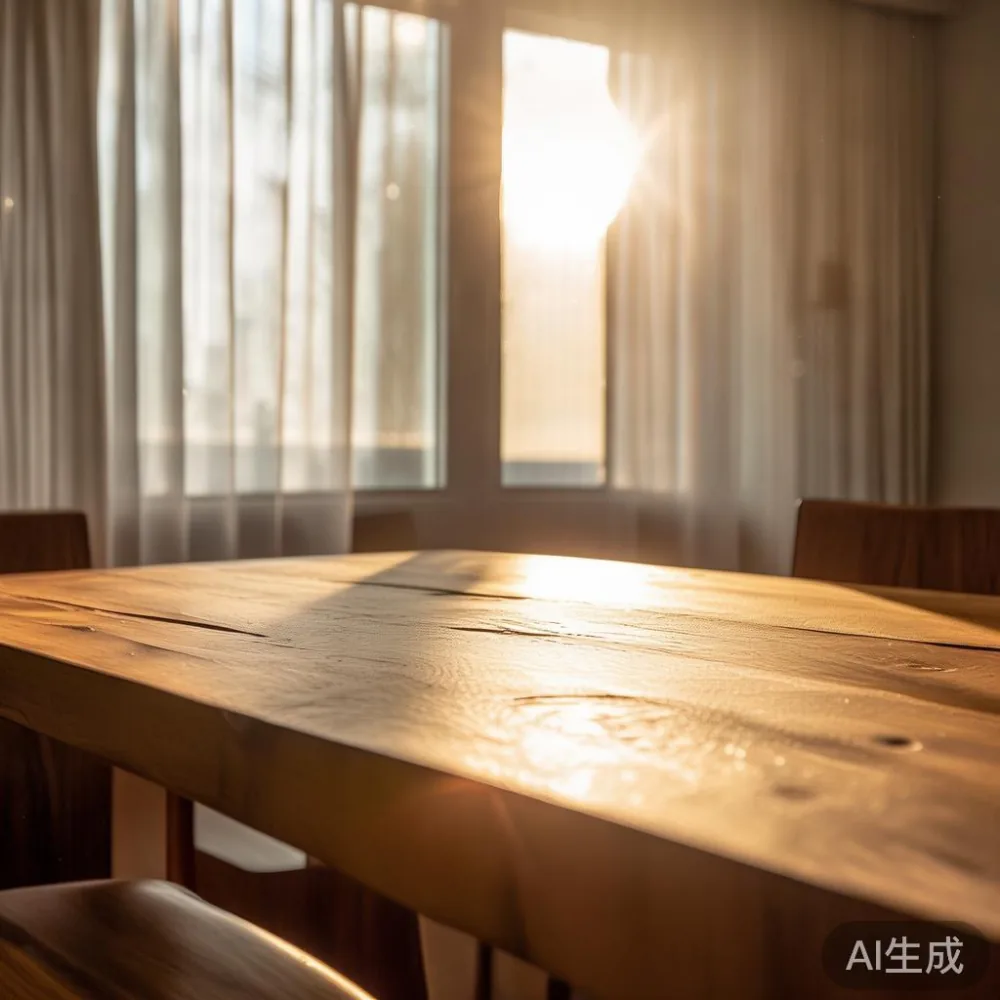
This guide explains how to care for lacquered wood in humid conditions around Tampines, Bedok and Punggol. It covers wiping, coasters, ventilation, moving the table and dealing with common marks. The advice applies to lacquered dining tables in general, but it is especially useful for a dining table sg buyer choosing a finish for a compact urban home.
At MIDHILL, the practical details matter as much as the silhouette. The company has made solid wood furniture since 2008, exports to more than 15 countries and backs its furniture with a 10-year structural warranty. Its lacquered dining tables are made to be maintained rather than replaced after a small spill or scratch. That approach fits Singapore homes, where a dining table often has to work for weekday meals, homework, remote work and family gatherings.
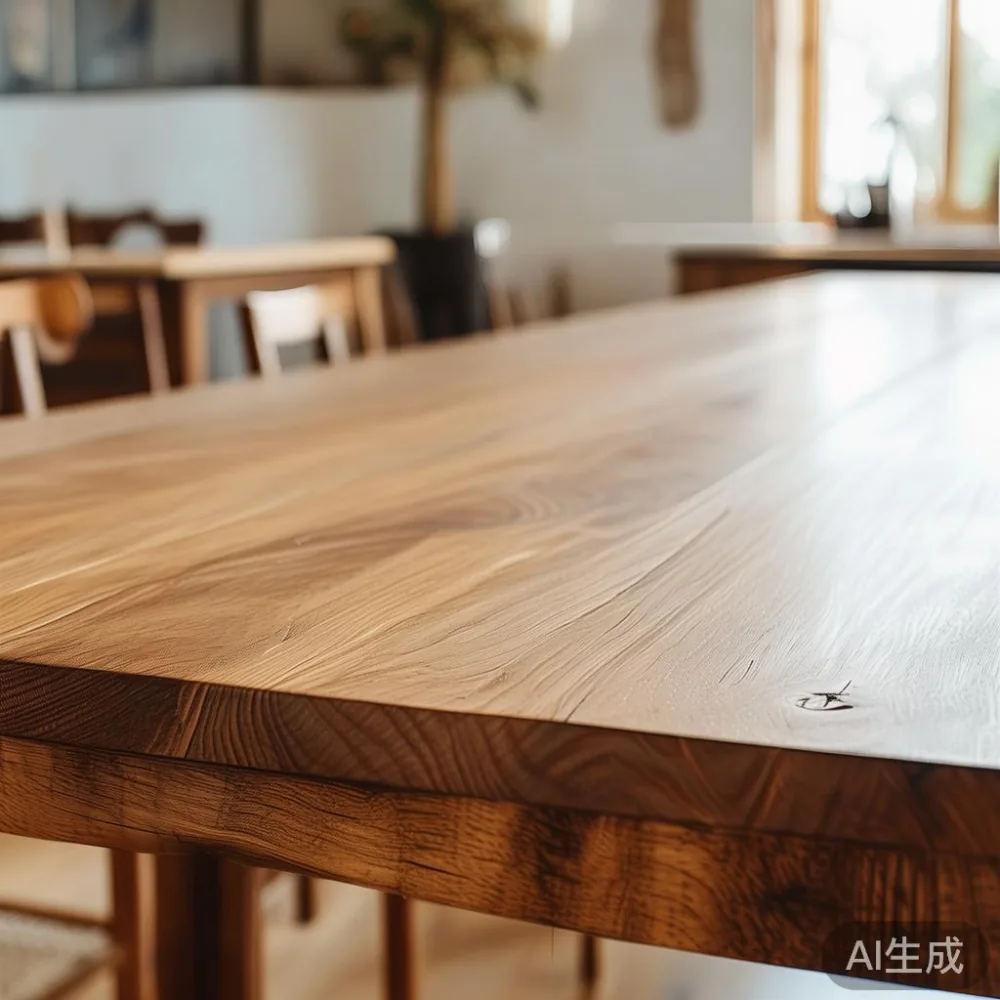
What does lacquer do to a dining table?
Lacquer is a thin surface coating applied over prepared wood. It can create a glass-smooth plane, a softer sheen or a lightly textured appearance. The film resists many ordinary stains, but it is not waterproof and should not be treated as a heatproof chopping surface.
Wood beneath the lacquer still responds to relative humidity. Singapore’s outdoor air often carries high moisture, while an air-conditioned living room may be much drier. The aim is to avoid sudden changes: keep the table away from direct sun, air vents and exterior doors that open onto a damp corridor.
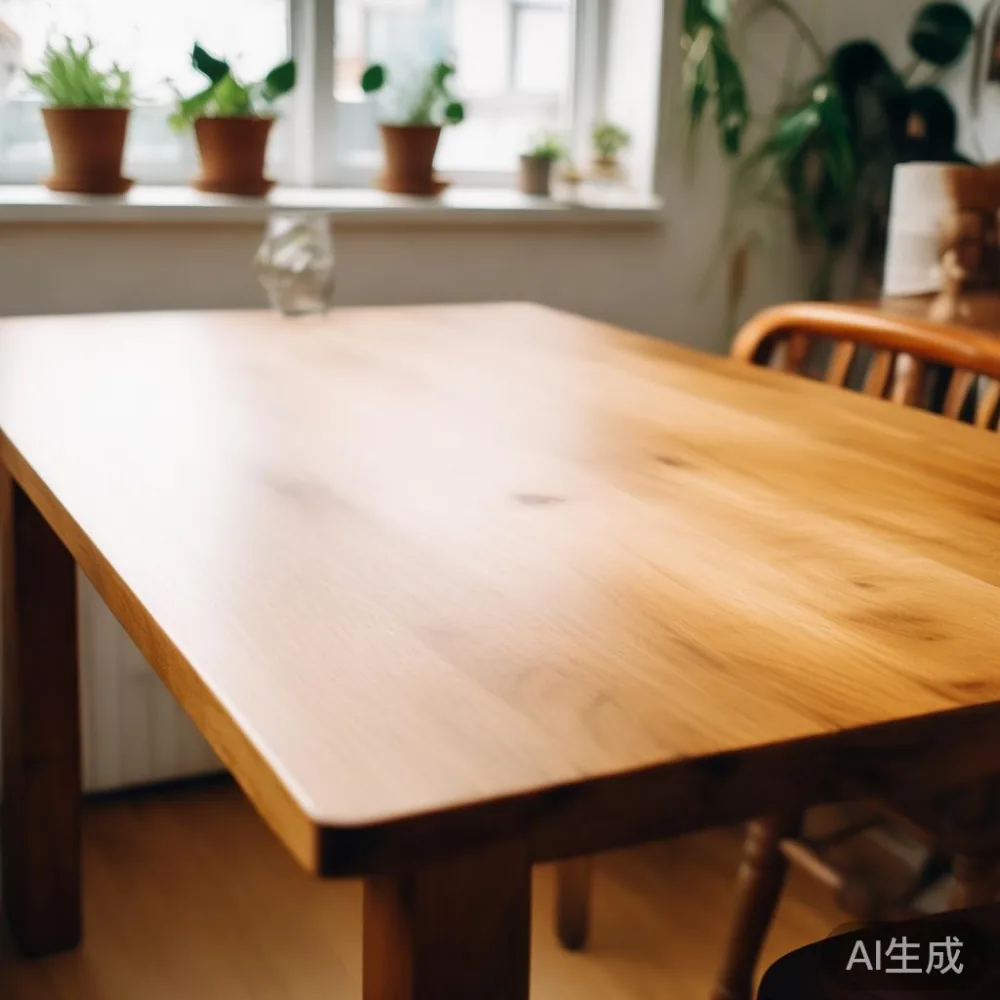
For a 180 cm dining table, allow roughly 90 cm of circulation space around it where possible. In a compact HDB dining area, position the table at least 30 cm from a wall or radiator-like air-conditioning outlet. For a 200 cm table, confirm that it can pass through your lift and corridor before delivery; narrow corridors and right-angled turns can make a beautiful dining table sg purchase impractical.
Lacquer quality also affects repairability. A table with a well-prepared substrate and an even coating is easier to maintain than one with heavy texture or deep pores. If you are comparing finishes in person, wipe each sample with a clean, damp cloth and inspect it under side lighting. A consistent finish without pinholes, ripples or tackiness is a good sign.
How should I clean a lacquered surface?
Clean a lacquered dining table every 1–2 weeks during humid periods, and sooner after sticky spills. Start with a soft microfiber cloth slightly dampened with warm water. Wipe with the grain, use light pressure and dry immediately with a second clean cloth. For routine cleaning, about 2 tablespoons of mild dish soap in a 1-litre bucket is sufficient, although plain water is often enough.
Do not soak the edge, flood the joints or leave a wet ring around a coaster. Avoid abrasive pads, wire wool and household sprays containing ammonia, bleach, alcohol or strong solvents. They can dull the sheen or strip the coating.
For sticky residue, place a clean microfiber cloth over the mark and warm it gently with a hairdryer held at least 30 cm away. Use low heat for no more than 15 seconds, then wipe with a barely damp cloth. If the mark remains, use a small amount of diluted mild soap rather than scraping it with a knife.
I tested a lacquered sample last month in a humid room near an open HDB corridor door. After 10 days at approximately 78–84% relative humidity, a ring from a cold metal cup remained visible, but it disappeared after 20 seconds of gentle warming and drying. A nearby untreated pine board showed a darker, broader moisture mark. The result was not a promise for every finish; it showed why prompt wiping and stable humidity matter.
Place felt or silicone pads beneath every glass, mug and bowl. Add coasters under hot dishes and serving boards. A temperature difference of roughly 40°C can be enough to haze some lacquer, so move a hot casserole to a heatproof mat rather than setting it straight onto the timber.
Can humidity damage lacquer in a Singapore home?
High humidity can affect lacquer indirectly by increasing moisture movement in the wood. Look for a cloudy surface, lifting at the edge, a dull patch or a fine crack around the joint. These signs need investigation; they are not normal signs of a well-maintained table.
Keep the table out of direct sunlight. UV exposure can discolour both the film and the wood, while sunlight can heat the top unevenly. In an east-facing Bedok unit, draw the blinds before the sun reaches the surface. In a west-facing condo, move the table away from a glazed balcony door if direct afternoon light falls across it.
Use the air conditioner or dehumidifier responsibly. A target indoor relative humidity of 50–65% is more stable than cycling between very wet and very dry conditions, but do not aim the vent directly at the table. Keep the unit at least 60 cm away where possible and clean the air outlet every 2–4 weeks.
Leave a 5 cm gap behind the table if the wall is cool or exterior-facing. This allows air to move around the rear edge. Avoid placing the table against a damp service wall or laundry area. If the dining zone adjoins a balcony, close the door during heavy rain and dry any condensation from the floor around the legs.
Do not apply furniture polish unless the manufacturer permits it. Some oils and waxes can make a lacquer slippery, collect dust or complicate future refinishing. If the product has an oil or wax topcoat rather than lacquer, follow its separate care instructions.
How do I remove fingerprints, water rings and scratches?
Fingerprints usually come from skin oils and appear most clearly on a dark, glossy surface. Wipe the area with a clean microfiber cloth and a drop of water, then dry it. A silicone-free cleaning cloth can remove fresh marks without rubbing. For a larger mark, use a soft sponge with diluted mild detergent and finish with a dry cloth.
Water rings need care. First, dry the area. Then place a clean cotton cloth over the ring and warm it gently for 10–20 seconds. Check every 5 seconds so the finish does not become excessively hot. In my test, the cloth lifted a mild ring without leaving a visible patch. Never use an iron directly on the lacquer.
Fine scratches may be treated with a lacquer-safe repair polish, but test it on the underside near a leg first. Use a cotton swab, work in 2–3 cm circles and stop if the colour changes. Deep scratches that expose wood should be handled by a refinisher. MIDHILL offers lifetime refinishing, which can restore the piece after years of use rather than making a small blemish the reason to replace an entire table.
For a busy family, prevention is usually less expensive than repair. Use 4 felt pads per dining chair, replacing them every 6–12 months. Fit the chairs gently and discourage dragging. Put a 40 cm × 30 cm placemat under laptops or craft work, and a larger protective sheet beneath children’s paintings.
Will a lacquered dining table fit through my HDB lift and condo corridor?
Measure before ordering. Record the lift door width, lift cabin depth and cabin diagonal, then measure the corridor turns, ceiling height and the narrowest doorway. A tabletop that fits in the lift alone may still fail to clear the corridor angle.
For example, a 180 cm × 90 cm table has a diagonal of about 201 cm. If the lift cabin measures 210 cm wide, 140 cm deep and 210 cm high, the internal diagonal is roughly 257 cm. That calculation suggests clearance, but the hinges, control panel and turning space still matter. If the table is 220 cm long, its 239 cm diagonal needs to be checked against the complete route.
Ask the supplier whether the top can be separated from the base. A dining table sg order for a narrow HDB flat may be easier to receive in 2 pieces, with final assembly taking about 10–15 minutes. At a condo loading bay, reserve the service lift for at least 30–45 minutes and protect the floor and lift walls with moving blankets.
Check whether delivery includes carrying, unpacking and assembly, and whether stair carries cost extra. A standard Singapore delivery may take 7–14 days after production, while peak periods can extend it to 14–21 days. Confirm the exact delivery window in writing and inspect the table within 48 hours of arrival.
What should I do before choosing a lacquer finish for my dining table sg?
Ask for a finish sample and care sheet. A good sample should be tested with water, oil, coffee and a warm cup. If the finish changes colour or loses gloss, ask the maker about its recommended cleaner and repair process.
Consider the table’s shape and setting. A rounded 160 cm dining table can ease movement around a compact table, while a rectangular 200 cm table suits a longer room but needs careful corridor planning. A pedestal base often gives more legroom than 4 separate corner legs. In an HDB dining area, leave at least 60 cm from the table edge to a walkway where people regularly pass.
Choose based on appearance and maintenance, not on one universal claim. A glossy finish gives a light-luxury, post-modern light luxury character and reflects light in a compact dining zone. A satin finish disguises small marks better and may suit an American light luxury room with solid timber chairs. Matte lacquer can feel restrained but should still be wiped carefully.
Solid wood sofas, bed frames, wardrobes and nightstands can share a warm material palette with the table. The dining table remains the centre of this guide, but nearby furniture should not be dragged against it or exposed to the same spills. The same care discipline can protect a solid wood sofa or marble table placed elsewhere in the home.
How often should a lacquered dining table be maintained?
Create a simple schedule. Dust with a dry microfiber cloth every 7 days, clean the top every 1–2 weeks, and inspect the underside and edges every 3 months. Check coasters for grit every month because trapped particles can scratch the lacquer. Rotate table decorations so one area does not sit in permanent sunlight or humidity.
After a gathering, remove crumbs and wipe spills within 10 minutes. Keep drinks away from the edge, use 2 separate cloths for cleaning and polishing, and never leave a damp cloth folded on the surface overnight.
For design research, a search for French provincial for bedroom may help establish a soft, enduring style for a quieter room rather than the dining area. Searches for best American sofa for 2026, American for small living room and top 10 Post-modern furniture can help compare proportions and finish choices, although those examples belong in the living room rather than against the dining table.
MIDHILL also produces a MIDHILL light luxury bed, which uses similar finish-selection principles, and offers wholesale Italian light luxury furniture for larger projects. These references show how finish consistency extends across a home, while the dining table still needs its own humidity and spill routine.
For anyone reviewing a range titled midhillco, compare warranty length, delivery terms and after-sales support rather than relying on style labels alone. MIDHILL’s 10-year structural warranty, lifetime refinishing service and 14-day return window provide concrete points to check. A 10-year warranty does not mean every accidental scratch is covered, so reading the exclusions remains sensible.
Finally, budget for protective accessories in Singapore dollars. A set of 4 quality coasters may cost S$18–40, felt pads may cost S$6–12, and a moisture meter may cost around S$25–50. The dining table itself may range from several hundred to several thousand SGD depending on size, timber and finish; delivery above S$350 is free under the stated policy, though the supplier should confirm whether this applies to the exact order and destination.
Good lacquer care is mostly restrained repetition: coasters, quick cleaning, controlled humidity and careful movement. In a Singapore home, those habits protect the table through wet seasons, air-conditioned afternoons and years of shared meals while preserving the refined appearance that made you choose it.