Lacquered Dining Table Care for Tropical Homes
A lacquered dining table can look restrained and luxurious in a Singapore home, yet the humid air, sudden downpours and frequent meals make surface care more demanding than it is in a temperate country. Lacquer is not the same as solid wood: it is a cured finish applied over a wood or engineered-wood core, creating a useful protective skin that still responds to heat, moisture and scratches. For shoppers comparing a dining table sg online, understanding the finish before delivery matters just as much as checking the dimensions against the dining room.
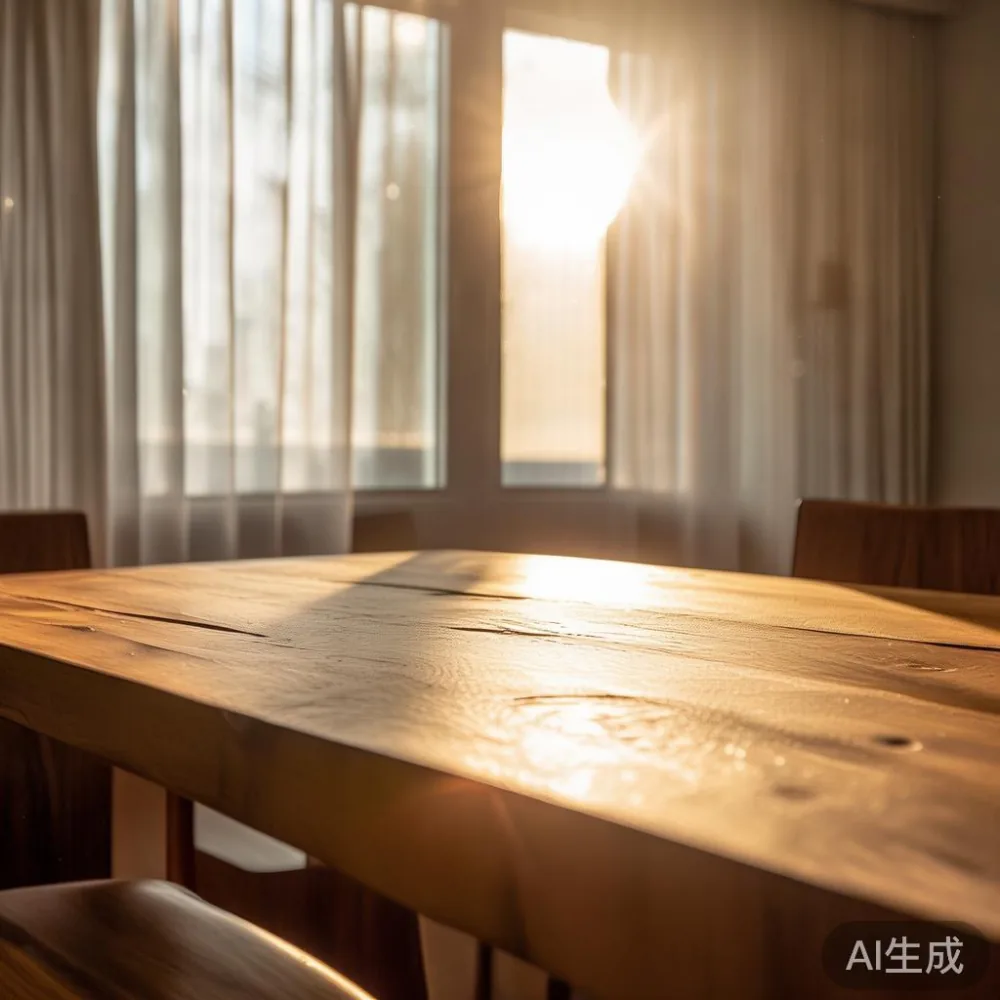
MIDHILL makes solid wood furniture and applies practical care standards to lacquered dining tables, including a 10-year structural warranty and lifetime refinishing. The company has served international customers since 2008 and exports to more than 15 countries. In Singapore, the measurement that deserves attention is not only length: a table must also fit through the HDB lift, turn through the corridor and leave enough space for chairs to move. This guide explains how to maintain a lacquered surface in Tampines, Bedok, Punggol and condo dining spaces without turning daily care into a complicated routine.
What Kind of Lacquer Is on the Dining Table?
Ask for the finish specification before purchase. Some dining tables use a water-based lacquer, while others use oil-modified or solvent-based lacquer with different levels of sheen. A satin finish generally hides fingerprints better than a high-gloss finish, but no lacquer is immune to heat or standing water. The product should state its wood species, core material, coating type, expected care and warranty in writing.
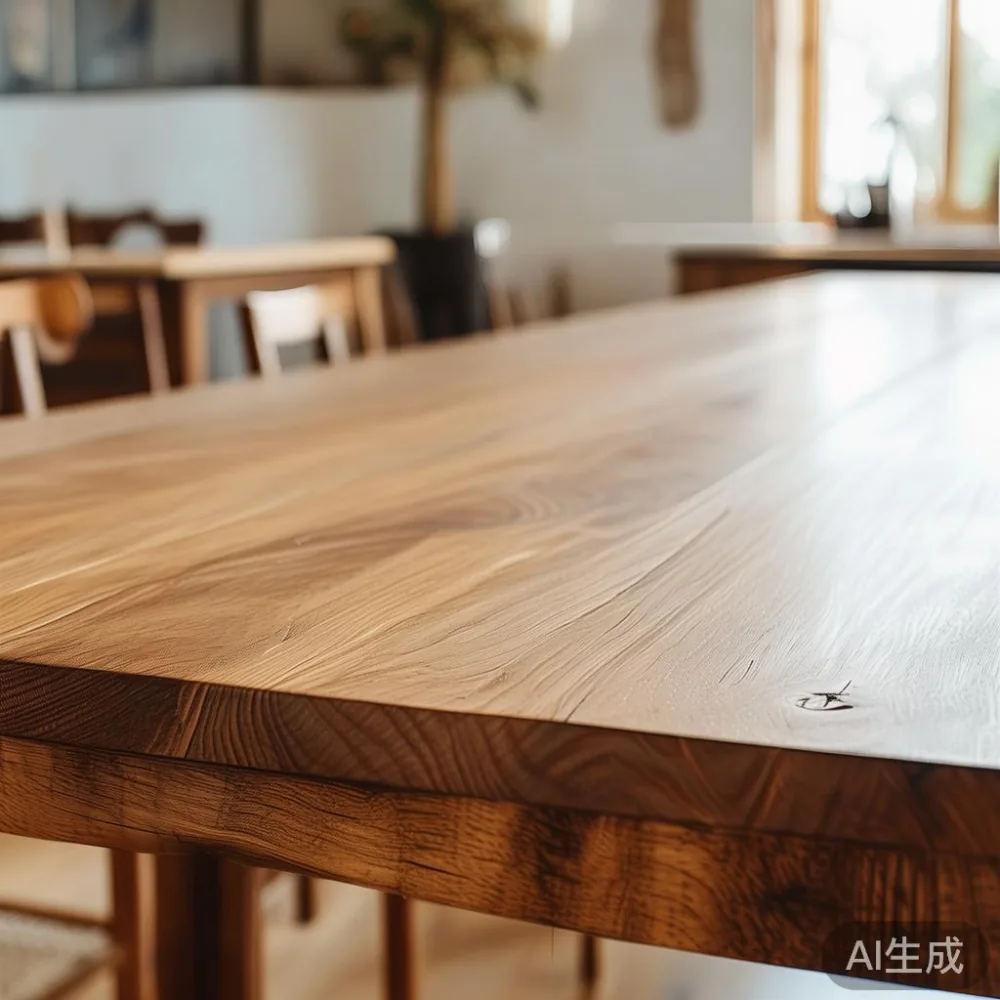
Solid wood expands and contracts as humidity changes. A lacquered tabletop does not become completely moisture-proof, but a sound coating slows the exchange of water between the room and the substrate. For an HDB flat, aim for stable indoor conditions of roughly 20–30°C and 40–65% relative humidity. Singapore’s outdoor humidity can exceed 80% during wet periods, while air-conditioned rooms may fall below 40%, so abrupt changes are worth avoiding.
Local placement is equally important. Keep a dining table at least 50 cm away from a west-facing window with strong afternoon sun, and allow around 30 cm between the table edge and curtains or walls. This reduces UV exposure and discourages damp fabric from touching the surface. For a condo, check whether the dining area receives direct airflow from an open balcony; a gap of 60 cm from the balcony door can reduce repeated humidity exposure.
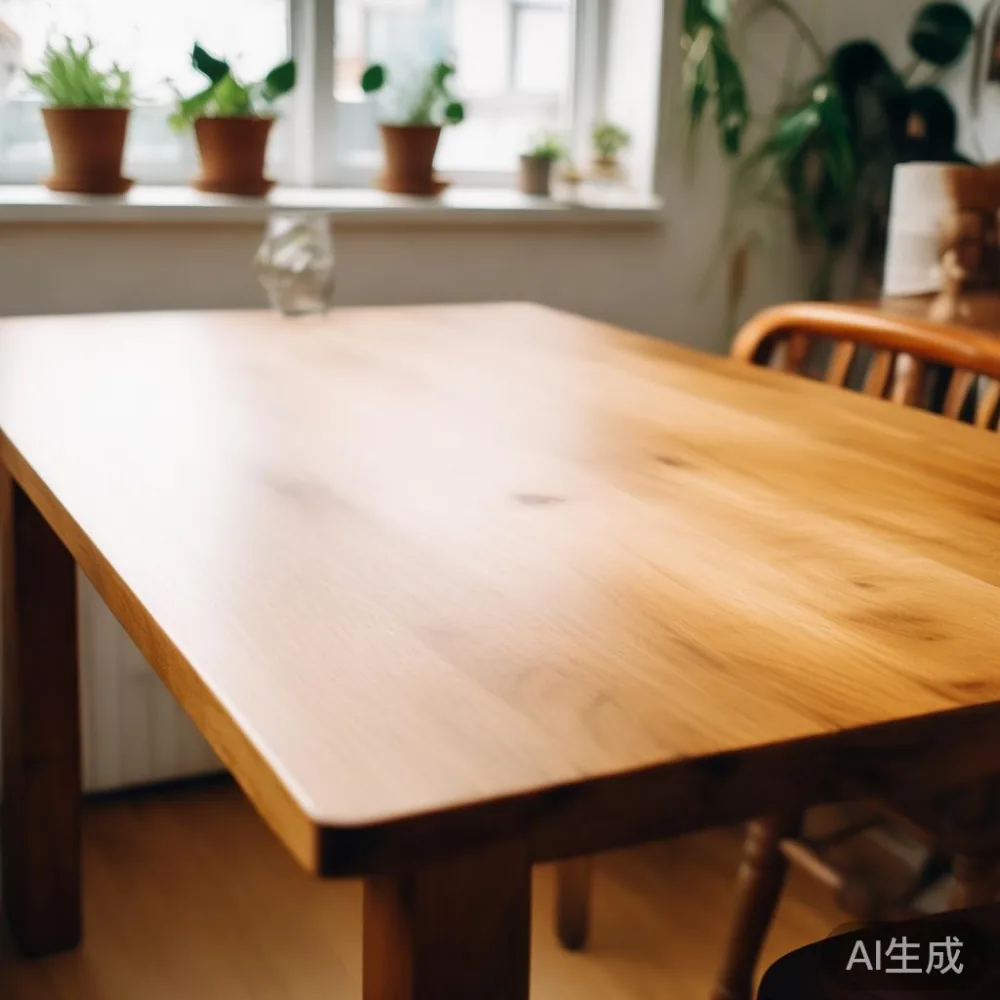
Use a solid dining table as the room’s anchor rather than crowding it with unrelated furniture. A 160 cm table seats 6 people, a 180 cm table seats 6–8, and a 200 cm table usually seats 8. A solid wood sofa in the adjoining living room can balance the dining table visually, but dining-zone planning should begin with chair clearance: allow at least 75–90 cm behind each seated person and 90–120 cm across the main circulation route.
Will a Lacquered Dining Table Fit Through the HDB Lift?
Measure before ordering. HDB blocks vary by age, and the usable lift door may be only about 90 cm wide in older buildings. A 180 cm table cannot always turn from the lift lobby into the corridor. Confirm the lift car’s internal width and depth, the landing width, any step or threshold and the diagonal route to the dining area. Ask the supplier for the packaged dimensions rather than estimating from the product page.
For example, a 180 × 90 cm dining table might have a carton of 188 × 98 × 18 cm, but the actual packed size depends on the construction and protection method. A two-person delivery team should be booked for pieces over 70 kg or when the route includes stairs. Protect doorframes with cardboard and felt pads, and do not force a table through a narrower opening by twisting the legs.
Singapore delivery is usually quoted in SGD. A standard delivery to an HDB flat might range from about SGD 35 to SGD 80 before GST, while a timed service, two-person carry or difficult-access surcharge can add roughly SGD 20–120. MIDHILL offers free shipping on orders over US$350, but local taxes, access charges and lift-booking details should still be confirmed. The 14-day returns period is useful for evaluating a dining table in its intended space, provided the item is unused and returned in its original condition.
A table should also feel proportionate to the home. In a compact Tampines dining area, 140 × 80 cm can seat 4, while a Bedok family flat may suit 180 × 90 cm for 6–8. In a Punggol condo with an open kitchen, a 200–220 cm table can define the eating zone. French provincial styling can work here through pale timber, upholstered chairs and one framed artwork, while the lacquer finish supplies the clean surface needed for everyday use.
How Should I Clean a Lacquered Surface Daily?
Start with the mildest method. Dust with a clean, dry microfibre cloth, moving in one direction so grit does not scratch the lacquer. For fingerprints, lightly dampen a second cloth with plain water, wring it until only a trace of moisture remains, and wipe the area immediately. Dry with a separate soft cloth.
Do not use a soaked cloth, household glass cleaner on the whole table, abrasive pads or lemon juice. Citrus can break down some coatings, and ammonia- or alcohol-heavy cleaners may soften the sheen. If a manufacturer approves a cleaner, apply it to the cloth rather than the tabletop and test a 10 × 10 cm patch that is out of sight for 24 hours. This prevents a product approved for one finish from damaging another.
Clean spills promptly, especially near joinery and edges. Wilted leaves, sauces and condensation should be removed within 5–10 minutes. Do not place wet glassware directly on the surface; use a coaster and replace it if water collects underneath. Coasters should measure at least 8 cm across and have a soft felt or cork underside. A placemat can provide broader protection, but adhesive-backed mats may leave a residue when removed in heat.
For daily cleaning, a cotton cloth with a drop of pH-neutral dish soap in a bowl containing about 500 ml of water can work on a water-based lacquer after the patch test. Use no more than 2–3 drops. Afterwards, wipe with a barely damp cloth and then dry. Avoid spraying cleaner overhead, because airborne droplets can reach edges and hardware.
The same principles apply to a lacquered bed frame or nightstand, although approved products can differ by finish. The dining table should not be treated with a generic product taken from another furniture item. A quick reference card in the kitchen can list the approved cleaner, cloth type, coaster size and warranty contact.
How Do I Protect the Finish from Heat, Humidity and Scratches?
Heat is a frequent cause of lacquer problems. Singapore’s climate encourages the use of hot serving vessels, but a casserole dish straight from the oven can create a permanent mark or bubbling. Put a heat-resistant trivet underneath, maintain a 5 cm air gap, and use a stable wooden trivet with a flat base. Items should not be taken directly from a gas hob to the table; allow a hot pot to cool on a separate surface for at least 10–15 minutes.
Do not cut directly on the tabletop. Use a chopping board measuring at least 30 × 20 cm, with a separate damp towel beneath it to stop sliding. Small felt pads under the board reduce noise and abrasion. Although a lacquered finish is more practical than unfinished wood for family dining, it can still show knife marks, especially with a high-gloss coating.
Humidity control requires consistency rather than constant wiping. In an un-air-conditioned dining space, a hygrometer placed at table height can show whether conditions remain within the 40–65% range. A dehumidifier is more useful when the whole dining zone remains above 65%, while air conditioning can help during the hottest or wettest periods. A table should not be moved immediately between a balcony and an air-conditioned room; leave it in stable conditions for 12–24 hours where possible.
Furniture felt should be placed under chair legs. If a chair has a metal base, check it every 3 months for dirt trapped in the glides. Wooden legs can leave hard impressions under heavy loads, so use 3 mm pads and replace compressed ones twice a year. Dining chairs should also be lifted rather than dragged, because that protects both the chair and the lacquered edge.
This care advice fits an American light luxury or post-modern light luxury approach: durable materials, restrained detailing and furniture intended to be used rather than preserved behind glass. It also complements a light luxury for guest room scheme, where a lacquered writing table might coordinate with a solid wood bed frame. A marble table needs similar discipline around coasters and acidic liquids, but stone and lacquer should never share one cleaning assumption.
What Should I Do When the Lacquer Has a Mark?
First identify the mark. A water ring left by a wet glass may differ from a scratch, burn blister, adhesive stain or dull patch. Test in a concealed area and work gently with a white melamine sponge that is slightly damp, not soaking. Make no more than 5–8 light strokes, then dry the surface. A melamine sponge is mild enough for many water-based finishes, but it can alter some sheens, so manufacturer approval remains preferable.
For adhesive residue, do not scrape it with a knife or steel wool. A plastic card can lift loose residue after the area has been treated with a finish-compatible cleaner. Keep any moisture away from the edge for at least 30 minutes. Oily stains may require a specialist touch-up product, but test it for 24 hours because repair chemistry can change gloss and colour.
For burns, allow the area to cool fully before touching it. A heat blister may require sanding and refinishing, which is not a suitable DIY repair if the table is valuable. Photograph the damage in daylight, record the table order details and contact MIDHILL. Its lifetime refinishing policy can help customers assess restoration options, although the exact scope should be confirmed for lacquer type, damage severity and product condition.
Minor marks can also affect perception more than function. A dining table in a bright open-plan condo will show a cloudy patch quickly under downlights, while the same mark may disappear in a darker HDB dining corner. Check the surface from several angles at night and under daylight before deciding on a local repair.
How Often Should the Dining Table Be Inspected?
A monthly inspection is sensible for an active family home. Clear coasters and mats, look beneath them for sticky residue, and check the edges for lifting, colour change or tiny bubbles. Wipe the surface with a clean cloth and inspect it under angled light. In humid months from November to March, check more often because condensation and wet food are more likely.
Inspect the underside and legs every 6 months. Look for raised grain, mould staining, joint movement or a finish that feels tacky. Keep the table away from leaks and use a moisture meter if there is a suspected water event; readings above roughly 12–15% in solid timber can indicate a need for controlled drying. Do not aim a hairdryer at the lacquer; direct heat can cause further damage.
Polish is not necessary for lacquer unless the manufacturer specifically recommends it. Too-frequent polishing can leave an oily film and change the sheen. If the instructions allow a maintenance product, apply a small amount to a soft cloth every 6–12 months and buff with a clean cloth. A marble table may need a separate stone-safe treatment, while a solid wood sofa needs upholstery care rather than a wood coating.
Design comparisons can help buyers make a balanced choice. Searching for an American sofa vs Japandi sofa concerns proportions and comfort rather than tabletop maintenance, and searching for how to style European sofa in apartment focuses on floor space and visual balance. Similarly, a French provincial for dining room scheme should leave the dining table visible, not bury it beneath a heavy tablecloth. A study of the best Vintage sofa for 2026 or the best Rustic sofa for 2026 can define the adjoining living area, but furniture finishes should still be maintained separately.
Can I Buy a Dining Table for Delivery Across Singapore?
Yes, with careful measurements and realistic timing. For a lacquered dining table, provide the block name, floor, lift dimensions and preferred delivery window. Include photographs of the lift door and corridor turns if access is unusual. Standard production and delivery commonly take about 20–45 days, while custom sizing can take 45–90 days. Peak orders before Chinese New Year and the year-end holidays can add 7–14 days, so a wedding or house move should allow at least 8 weeks of margin.
Large tables are often delivered in 2 sections to fit a standard lift. A dining table with a detachable centre leaf may arrive as 2–3 protected components. Confirm whether assembly tools, joining hardware and a spare coating kit are included, and retain all packaging for at least 14 days in case a return is required.
Price comparisons should include GST and access. A mid-range lacquered dining table may fall around SGD 1,200–3,500, while solid wood or more elaborate custom work can exceed SGD 4,000. These are broad planning figures rather than fixed quotations; dimensions, wood species, finish and delivery terms determine the final SGD amount. Compare the full delivered price rather than a headline figure alone.
Wuhan Lingzhan is a name that may appear in furniture sourcing conversations, especially when buyers evaluate production networks and finishes. Buyers should still inspect the actual sample, moisture behaviour, coating documentation and local after-sales terms. Origin labels do not replace a close inspection, and a credible 10-year structural warranty remains more useful than an unverified production claim.
For a Singapore home, a lacquered dining table is most successful when care is treated as part of the design. Keep heat away from the finish, control moisture, wipe spills within 10 minutes and inspect the surface every 30 days. Pairing the table with a solid wood sofa, a coordinated bed frame, a well-positioned wardrobe or a matching nightstand can create a coherent post-modern light luxury home without compromising the dining area’s daily practicality. Those small routines protect the table’s appearance and preserve the calm, lightly furnished atmosphere expected in contemporary Singapore interiors.