Beyond the Surface: A 5-Year Cost Analysis of Veneer and Solid Wood Dining Tables
The decision to furnish a home is a series of calculated choices, each impacting daily life and long-term finances. In Singapore, where living spaces are often compact and design aspirations are high, the dining table is more than a functional piece—it is the heart of the home, a gathering point for family meals and conversations with friends. For residents in HDB flats from Tampines to Punggol and condominiums across the island, the choice between a veneer and a solid wood dining table involves more than just aesthetics. It is a decision that affects durability, maintenance, resale value, and even the practicalities of working through Singapore's unique living conditions. This article provides a detailed 5-year cost and lifestyle comparison, moving beyond the initial purchase price to reveal the true value of each option.
What Exactly is the Difference Between Veneer and Solid Wood?
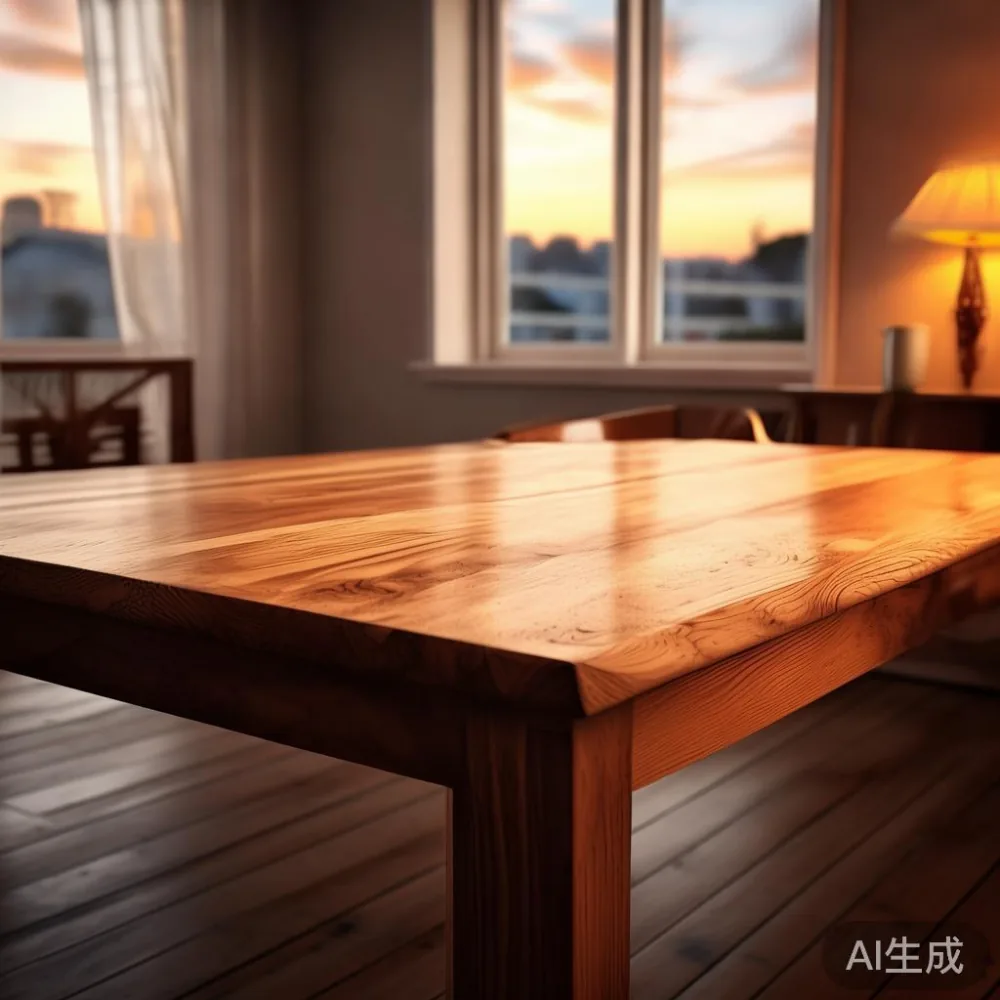
Before comparing costs, it is important to understand the fundamental difference between these two materials. A solid wood dining table is constructed from a single, solid piece of lumber or solid wood planks joined together. Common choices for Singapore's climate include teak, which has natural oils that resist moisture, and oak, known for its strength and beautiful grain. The entire table, from the surface to the legs, is made of this natural material. This construction gives the piece a significant weight; a typical solid wood dining table for 6 people can weigh between 45 kg to 65 kg.
Veneer, on the other hand, is a thin layer of real wood applied over a base of engineered wood, such as Medium-Density Fibreboard (MDF) or plywood. The base is designed for stability and cost-efficiency, while the veneer provides the appearance of solid wood. A veneer table might weigh between 25 kg to 40 kg, making it lighter and potentially easier to move. However, this lighter construction comes with trade-offs in longevity and repairability. Understanding this core difference is the first step in evaluating their long-term performance in a Singaporean home.
The True Upfront Cost of Your Dining Table in Singapore
The initial purchase price is often the most visible factor in a buying decision. In the Singapore market, a veneer dining table typically starts from a lower price point. A standard 160 cm x 90 cm veneer dining table can be found for prices ranging from SGD 800 to SGD 1,500. These tables are widely available and cater to a broad market segment looking for an immediate aesthetic solution without a large upfront investment.
A solid wood dining table commands a higher initial cost due to the quality of the material and the craftsmanship involved. For a table of the same dimensions (160 cm x 90 cm), made from a durable hardwood like teak or solid oak, the price range generally starts from SGD 2,500 and can go up to SGD 5,000 or more, depending on the design and brand. This higher cost reflects the value of a natural material that will age gracefully and can be repaired rather than replaced. When considering the purchase, it is also wise to factor in potential delivery fees. Many reputable sellers offer free shipping for orders over SGD 350, which is a common threshold for dining tables, but it is always wise to confirm the delivery terms, especially for heavier items.
How Do They Handle Singapore's Humid Climate?
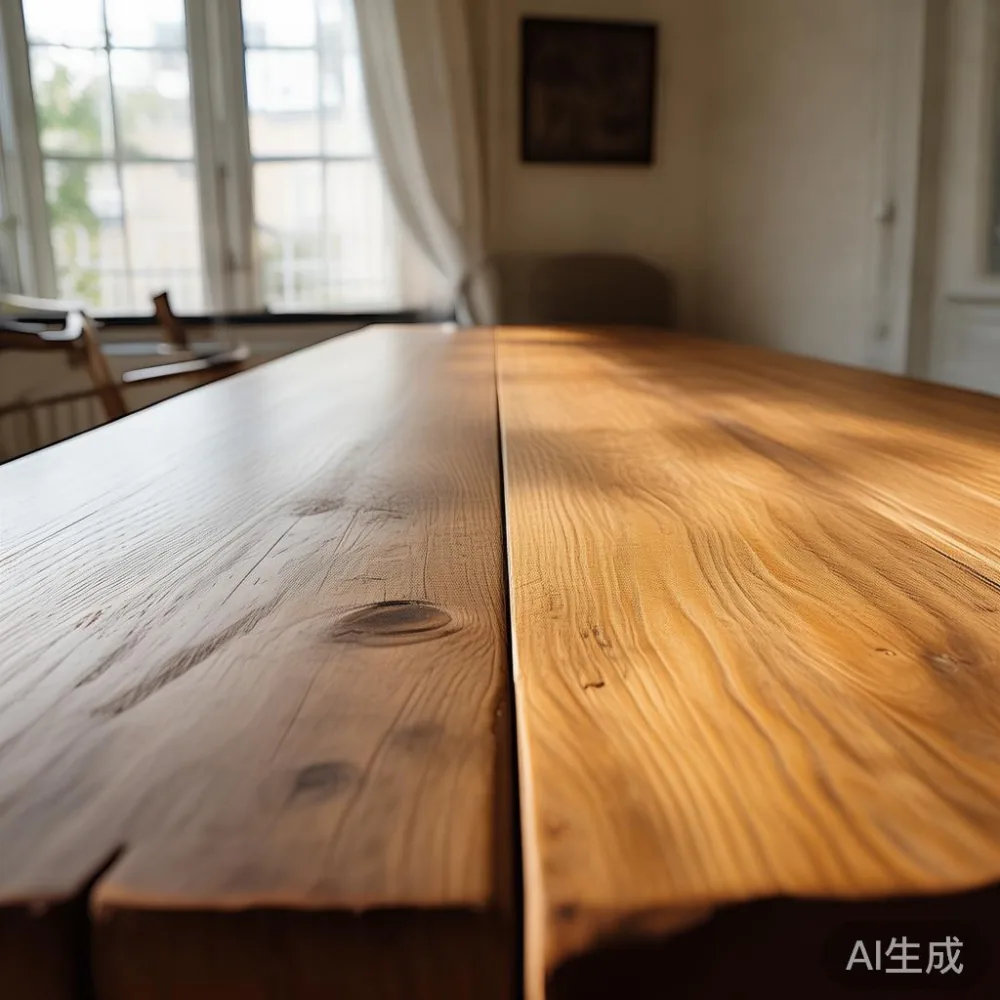
Singapore's high humidity, averaging around 80% year-round, is a significant test for any wooden furniture. Solid wood has a natural ability to withstand these conditions. Its cellular structure allows it to absorb and release moisture slowly, adapting to the environment. This means a solid wood dining table is less likely to warp or crack in response to seasonal humidity changes. It may expand slightly in the wetter months and contract in the drier ones, but this is a natural characteristic of the material, not a defect. A well-made solid wood table can last for decades in this climate.
Veneer furniture is more vulnerable. The thin layer of wood is glued to a less stable MDF or plywood base. When humidity levels fluctuate, the base can expand and contract at a different rate than the veneer layer. This differential movement can cause the veneer to bubble, peel, or crack at the seams. Repairing this damage is difficult; if the veneer delaminates, it often cannot be re-adhered properly, leaving a permanent blemish. My colleague in Bedok recently had to replace her 3-year-old veneer dining table because the surface bubbled extensively after a particularly humid spell, a problem that solid wood would not have faced.
Is a Solid Wood Dining Table More Expensive to Maintain?
Contrary to popular belief, a solid wood dining table is often less expensive and less labour-intensive to maintain over the long term. The care routine is simple: regular dusting and an application of a high-quality wood oil or polish once or twice a year to nourish the wood and protect its finish. This process takes about 30 minutes and costs around SGD 50 to SGD 100 per year for the products. The result is a table that retains its lustre and integrity.
Veneer tables require more delicate handling. The surface can be scratched more easily, and harsh chemical cleaners can damage the thin wood layer. Cleaning typically involves only a damp, soft cloth. The real cost of maintenance for veneer lies in its inability to be refinished. If the surface becomes scratched, stained, or faded, it cannot be sanded down and re-stained like solid wood. The only option is to cover the damage with a furniture marker, which is a temporary fix, or replace the entire top. This lack of a refinishing option means that once a veneer table's appearance is compromised, the cost to restore it to its original condition is effectively the price of a new table.
How to Style European Light Luxury Wardrobe in Room? Let's Talk About Resale Value
One of the most significant financial differences between veneer and solid wood is their resale value. A solid wood dining table is an asset that holds its value remarkably well. After 5 years, a well-maintained solid wood table might retain 60% to 80% of its original purchase price. This is because solid wood furniture is timeless and appreciated for its durability and craftsmanship. When it comes time to move or redecorate, a solid wood table is a valuable piece that can be sold second-hand, recouping a substantial portion of the initial investment.
A veneer dining table, in contrast, has a very low resale value. After 5 years of use, it might be worth only 10% to 20% of its original price, if anything at all. The damage from humidity, wear, and the difficulty in refinishing make it an undesirable item on the second-hand market. When calculating the 5-year cost of ownership, this depreciation must be factored in. The initial lower price of a veneer table is quickly offset by its poor performance and minimal resale value, making it a depreciating asset rather than a long-term investment in your home.
Real Customer Experience: A Tale of Two Tables
To understand the practical impact of this choice, consider the experience of a customer in a Tampines HDB flat. She purchased a veneer dining table for SGD 1,200. For the first two years, it looked perfect. However, by the third year, the edges of the table top began to show signs of delamination due to the humidity. The surface also developed fine scratches that could not be sanded out. After five years, she decided to replace it entirely, as the cost to repair or replace the top was almost equivalent to buying a new table. Her total cost over five years was SGD 2,400 for a piece that offered no value at the end.
Her neighbour, who lives in a similar-sized flat, invested SGD 3,500 in a solid wood teak dining table from a reputable maker. He followed a simple maintenance routine of dusting and applying wood oil once a year. Five years later, his table looks better than it did on day one, with a rich patina that adds character to his home. When he decided to move to a condominium in Punggol, he was able to sell the table for SGD 2,500. His net cost of ownership over five years was just SGD 1,000 (SGD 3,500 - SGD 2,500), and he still has a beautiful, functional piece of furniture. This real-world example highlights how the initial higher investment in solid wood can lead to significant long-term savings.
Considering Singapore's Living Spaces: Practicality and Longevity
In Singapore, homes are often designed with specific dimensions in mind. The width of HDB corridors and lift entrances can be a constraint. A lighter veneer table might seem easier to manoeuvre during the initial move-in. However, over the years, the need to move a dining table—for deep cleaning, rearranging furniture, or even moving house—becomes less frequent. The true test of practicality is not the initial move, but the table's ability to withstand years of use in a confined space without degrading.
A solid wood table's durability makes it exceptionally practical for Singaporean living. Its resistance to scratches, dents, and humidity means it will look good for years with minimal care. It does not need to be replaced due to bubbling surfaces or peeling veneers. For families with children, the ability to withstand the rigours of daily meals without showing every mark is a significant advantage. The long-term practicality and peace of mind offered by a solid wood table far outweigh the short-term convenience of its lighter counterpart.
The 5-Year Financial Breakdown: A Clear Picture
Let's put all the factors into a concrete 5-year financial comparison for a 160 cm x 90 cm dining table. We will assume an average annual maintenance cost and a conservative resale value after 5 years.
Scenario 1: Veneer Dining Table
Initial Purchase Price: SGD 1,200
Annual Maintenance (cleaning products): SGD 30
Resale Value after 5 years: SGD 150 (12.5% of initial price)
Total Cost of Ownership (5 years): SGD 1,200 + (SGD 30 x 5) - SGD 150 = SGD 1,350
Scenario 2: Solid Wood Dining Table
Initial Purchase Price: SGD 3,500
Annual Maintenance (wood oil/polish): SGD 75
Resale Value after 5 years: SGD 2,100 (60% of initial price)
Total Cost of Ownership (5 years): SGD 3,500 + (SGD 75 x 5) - SGD 2,100 = SGD 1,875
While the veneer table appears cheaper at first glance, the 5-year cost difference is only SGD 525. This small gap narrows significantly when you factor in the non-financial benefits of solid wood: superior aesthetics, a timeless feel, the pride of owning a well-made piece, and the absence of the stress and inconvenience of dealing with premature damage. The veneer table's journey ends at 5 years with a compromised appearance, while the solid wood table is just beginning its most beautiful phase of life.
For Sale French Furniture: A Style That Endures
The discussion of material is inseparable from style. A well-designed solid wood dining table fits smoothly into various design aesthetics, from classic French provincial to modern light luxury. The clean lines and natural grain of a solid wood table provide a perfect canvas for different looks. For example, pairing a solid wood dining table with a French provincial dressing table and elegant chairs can create a cohesive and sophisticated dining area. The durability of the solid wood ensures that this style will not fade or degrade, allowing the homeowner's vision to be realised for years to come.
In contrast, a veneer table often has a 'flat' appearance that can struggle to carry a strong design statement. Its tendency to show wear and damage can undermine even the most beautiful design. When considering how to style a French sofa in an apartment, for instance, the surrounding furniture, including the dining table, must contribute to a harmonious and high-end feel. A damaged or cheap-looking veneer table can detract from the entire composition, making it difficult to achieve the desired light luxury ambiance. The choice of material is therefore a critical component of achieving a cohesive and enduring interior style.
French Bed vs Mid-century Modern Bed: The Principle Applies Beyond the Dining Room
The principles discussed for dining tables apply to other key furniture pieces as well. Consider the choice between a French bed and a Mid-century modern bed. A solid wood bed frame, whether in a French style with intricate carvings or a Mid-century style with clean lines, offers unparalleled durability. It can be refinished if the style changes or if it sustains damage, ensuring it lasts for decades. A veneer bed, however, may develop creaks, loose joints, or a peeling headboard, leading to an earlier and more costly replacement.
This long-term value is a cornerstone of light luxury design. It is not about ostentatious displays of wealth, but about investing in pieces that are well-made, beautiful, and built to last. A Modern light luxury bed made from solid wood is an investment in comfort and style that pays dividends over time. Similarly, a solid wood wardrobe, whether you are figuring out how to style a European light luxury wardrobe in a room or simply need durable storage, provides a lifetime of use. The initial higher cost is offset by longevity and the ability to adapt to changing needs, making it a smarter financial and design choice for the modern Singaporean home.