Lacquered Dining Table Care for Singapore Homes
Living with a lacquered dining table in Singapore means balancing humidity, heat, sunlight, spills, and the daily movement of family life. In a compact HDB flat in Tampines, a table may sit only 1.2 m from a window; in a Bedok condo, it might face west-facing afternoon sun. Both conditions can affect a lacquered finish over time, even when the table is made from solid wood and built for everyday use.
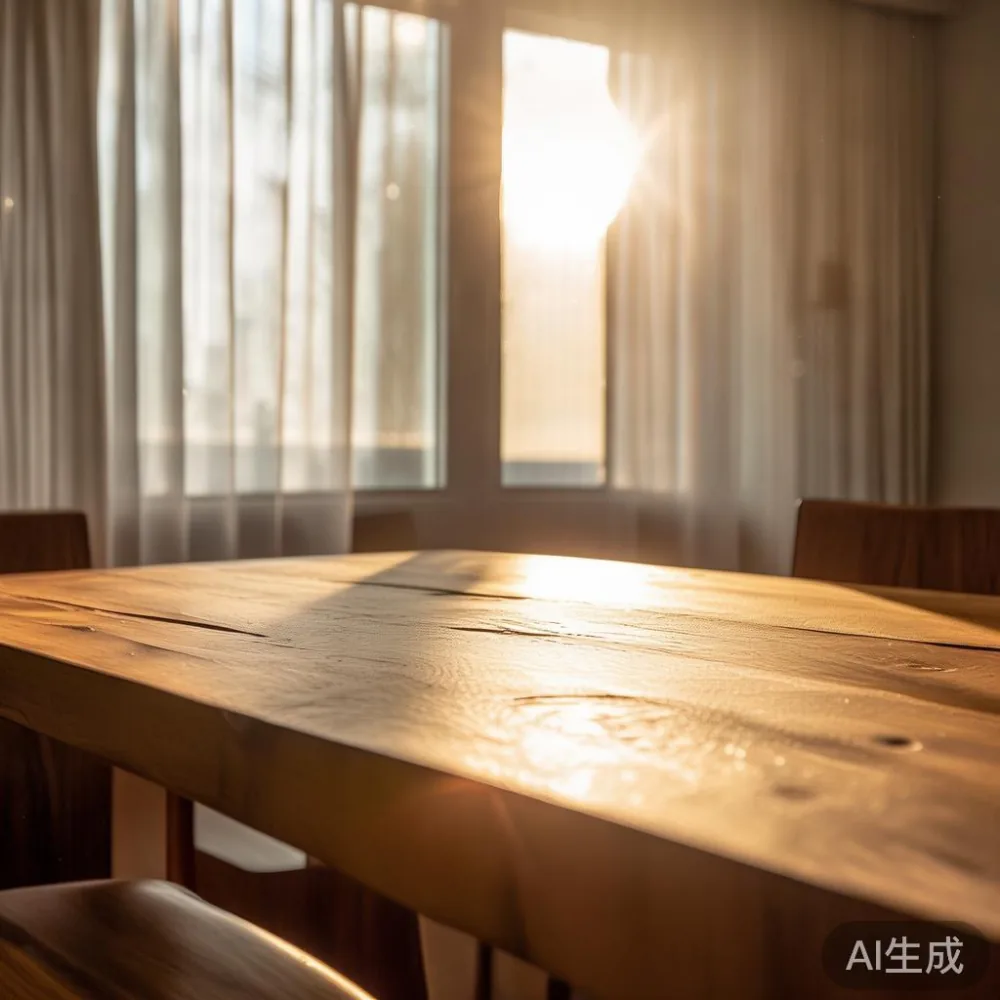
This guide explains how to care for a lacquered dining table in a tropical climate, with practical measurements, routines, and product details for Singapore households. MIDHILL has manufactured solid wood furniture since 2008 and exports to more than 15 countries. Every piece includes a 10-year structural warranty, while lifetime refinishing is available for eligible orders. The same disciplined approach can be seen across a solid wood sofa, bed frame, wardrobe, nightstand, or marble table, although this article concentrates only on lacquered dining tables.
What is the best way to protect a lacquered dining table in Singapore?
Start with distance, cleaning, and time. Keep the table at least 60 cm away from windows with direct sun, and at least 45 cm from kitchen steam. Use a stable indoor humidity range of roughly 45% to 65% when practical. In Singapore, this may mean running a dehumidifier in a closed HDB bedroom or choosing a dining area with cross-ventilation rather than placing the table against a damp exterior wall.
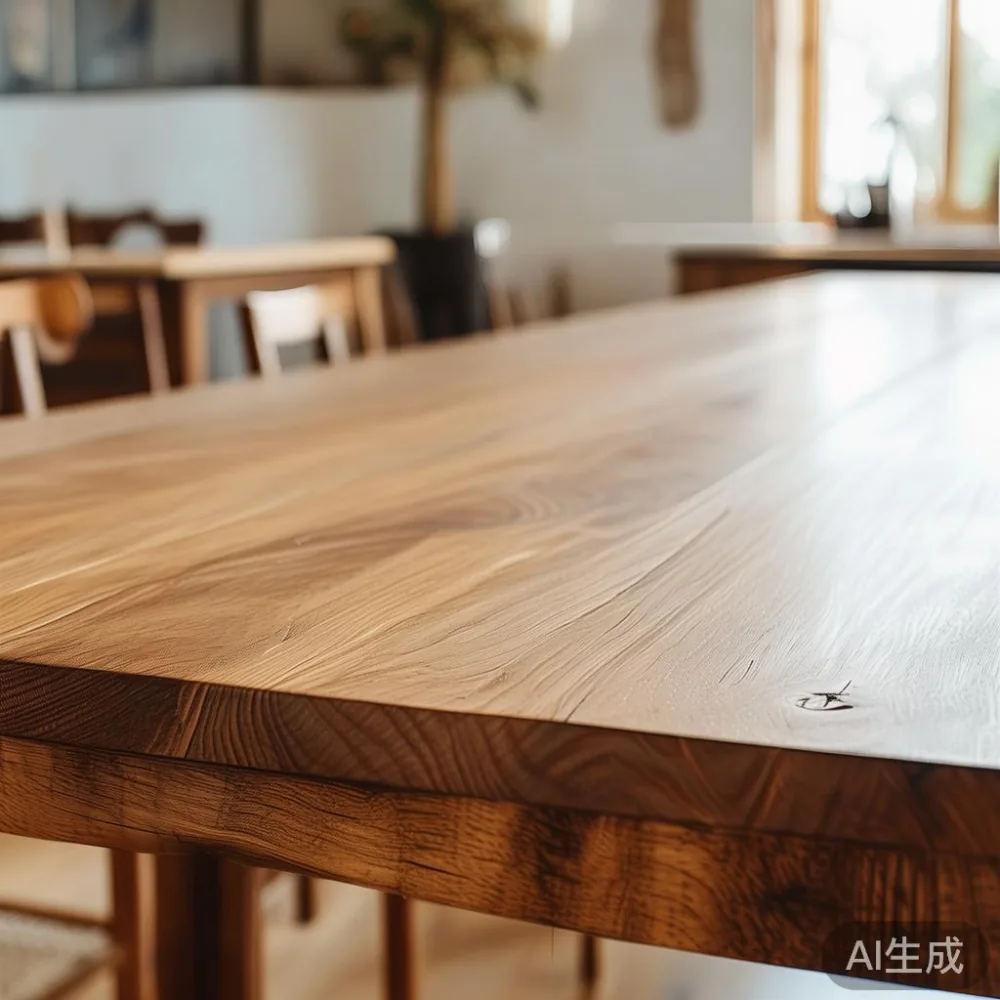
Wipe the lacquer after spills, but do not use a soaked cloth. A lightly damp microfibre cloth with pH-neutral dish soap is suitable for routine cleaning. Avoid alcohol, bleach, ammonia, abrasive pads, silicone polish, and “ furniture wax” unless the lacquer manufacturer specifically approves it. A soft-bristled brush can remove loose crumbs, but it should never scratch the coating.
For daily care, allow about 5 minutes. For a weekly clean, budget 10 minutes. For a monthly inspection, check 6 points: the edges, corners, underside, leg joints, tabletop surface, and areas beneath condiments. These simple habits matter more than frequent harsh treatment.
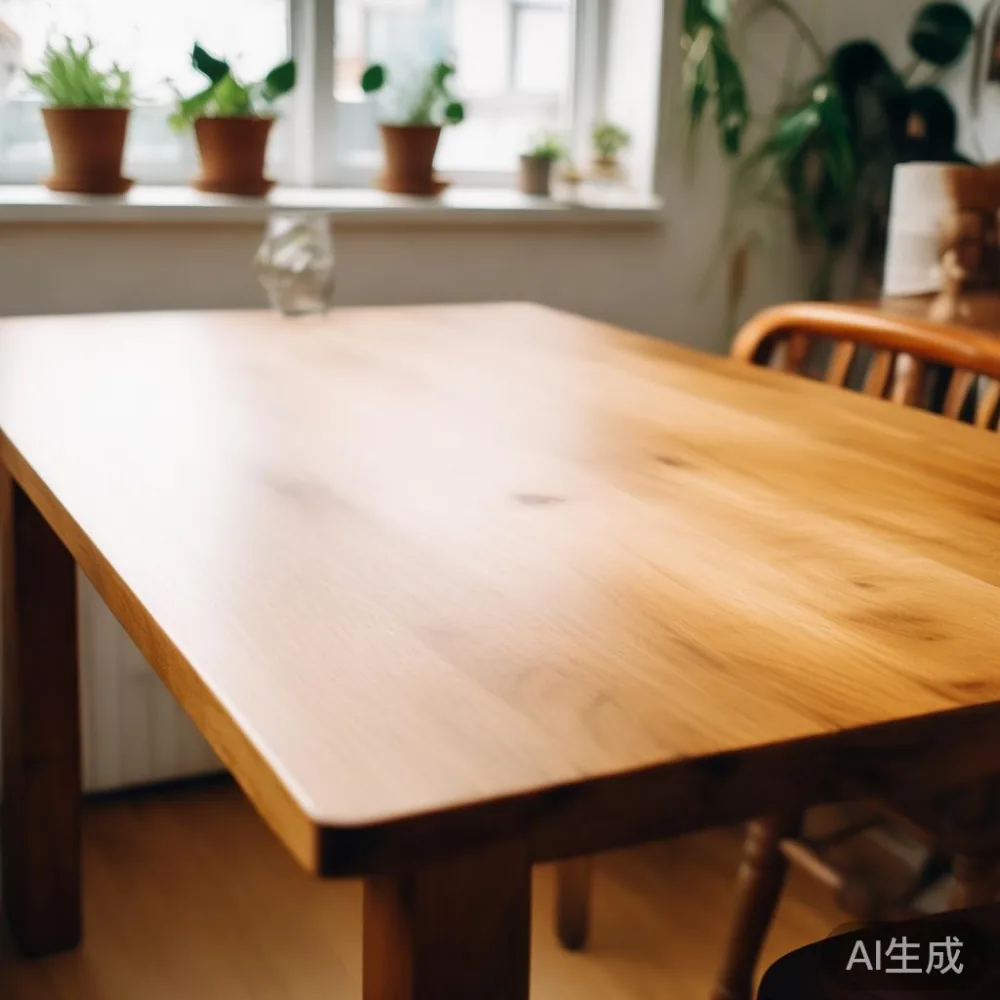
How does tropical heat and humidity affect lacquer?
Singapore’s relative humidity commonly ranges from about 65% to 85%, while outdoor temperatures frequently sit between 28°C and 34°C. Lacquer itself is less vulnerable than some finishes, but wood beneath it still responds to moisture. Repeated swelling and shrinking can create small stress marks around joints, while heat can soften some film finishes or make a dull patch appear.
Do not place a cold drink directly from the refrigerator on the surface. Let a glass or cup lose its chill for 10 minutes, and use a coaster with a minimum diameter of 8 cm. Likewise, do not set a hot pan straight onto the table. Although a brief contact may not cause visible damage, the trapped heat can affect lacquer or the finish beneath it. Use a trivet with at least 4 cm of clearance from the pan base.
Air-conditioning helps because it lowers both temperature and moisture, but aim for a moderate setting near 25°C rather than an abrupt 18°C setting immediately before eating. A table carried from a 31°C corridor into a 23°C flat can experience noticeable surface contraction. Moving it directly into a strong cold-air stream for several hours may be less desirable than allowing the table to acclimatise naturally over 2 to 3 hours.
Small condo dining areas need careful planning too. A 140 cm round dining table often suits a 2.2 m by 2.8 m dining zone better than a bulky rectangular model, while a 160 cm rectangular table can seat 6 people. Before delivery, measure the HDB lift door, lift car, corridor, and turning points. A lift width of 80 cm may accommodate table sections, but a 70 cm corridor corner can still complicate the final turn.
What should I use to clean a lacquered dining table?
Create a care kit with 4 items: a clean microfibre cloth, a second soft cloth for drying, a pH-neutral dish soap, and a soft-bristled brush. Keep all 4 items in a drawer or caddy less than 20 cm wide. This avoids using kitchen cloths that may carry grease, detergent residue, or particles of metal.
For routine cleaning, mix about 5 mL of mild dish soap with 500 mL of lukewarm water. Dampen the microfibre cloth until it feels moist, not wet. Wipe in the direction of the wood grain, then dry with the second cloth. A 180 cm table may take 1 minute to wipe and another 1 minute to dry. If the surface looks patchy, keep moving; do not rub one area for more than 20 seconds.
For sticky spills, lift solid residue with a wooden spatula. Then wipe once with the diluted solution and once with plain water. Avoid soaking the edge. Lacquered joints and end-grain areas can absorb water faster than the broad face of the tabletop.
For fingerprints around a frequently touched dining table sg setup, a clean cloth and plain water are normally enough. Test any cleaner on a concealed 5 cm by 5 cm section for 24 hours before using it on the full top. A safe cleaner should leave no dulling, whitening, colour shift, or tackiness after the test.
How do I prevent rings, scratches, and cloudy marks?
Use coasters and placemats, but keep them clean. A coaster should be at least 8 cm across, and a placemat should leave a 2 cm border of visible lacquer. Do not slide ceramics across the finish. Lift them instead. This prevents hairline scratches that are often created by grit trapped under a heavy bowl.
For pens and pencils, place a closed lid over the tip. Ballpoint ink can remain for weeks and may require a specialist treatment. Do not try to lift ink with a knife blade or coarse sponge. Blot fresh ink with a white cloth, then contact the furniture maker for product-specific advice.
Heat marks and cloudy patches have different causes. Heat usually comes from a hot vessel, while cloudiness can follow cleaner residue or uneven moisture. If a mark remains after 24 hours, avoid sanding the lacquer. A refinishing specialist can assess the coating without risking the colour. MIDHILL offers lifetime refinishing for eligible furniture, which can restore the surface through the appropriate process rather than encouraging aggressive DIY abrasion.
Under a dining table sg retailer’s care policy, household damage may differ from manufacturing defects. A 10-year structural warranty addresses eligible structural issues, not ordinary stains or impact marks. Keeping care records is sensible: note the date, mark location, cleaning method, and whether sunlight or moisture was involved. Photographs taken under neutral daylight can help document the condition before arranging service.
Is French provincial styling suitable for a compact HDB dining area?
French light luxury works in a compact home when scale and visual weight are controlled. A 130 cm round dining table with 4 slim legs can create an airy centre in an HDB flat, while a 180 cm rectangular table may crowd a narrow corridor-side dining nook. The finish should also be considered: pale French provincial tones can show tea and chilli stains readily, so a darker lacquer may be easier to maintain in a busy family setting.
Post-modern light luxury is another useful approach because it combines clean geometry with restrained details. A 160 cm table with softened corners can align with contemporary HDB interiors without appearing oversized. American light luxury tends toward generous proportions, so a slim pedestal or compact rectangular base may be more practical in a condo.
Design references can be useful without dictating the final purchase. Search french sofa gallery photos to understand pale timber, curved profiles, and refined upholstery tones. Compare an American sofa vs Italian light luxury sofa to learn about frame proportions and finish quality, then apply those lessons to the dining table’s legs, edges, and surface treatment. If a living room also needs a sofa, light luxury for small living room layouts can be found through vertical panels, restrained colour, and furniture sized to the actual room.
For a related seating decision, learning how to choose Mid-century modern sofa helps with proportion, leg clearance, and visual balance. Questions such as is French provincial sofa worth it often depend on room size, maintenance, and fabric use. The same questions apply to a dining table: measure first, think about daily routines, and choose a finish you can maintain. A search for for sale European light luxury furniture should include clear lacquer-care information, especially for buyers in humid climates.
How should a lacquered table be delivered into a Singapore home?
Measure the entire route before ordering, not only the dining space. Record the HDB main door width, lift door width, lift car depth, corridor width, and any 90-degree turns. Add a 5 cm handling margin for door frames and protective packaging. A 160 cm table may arrive as 2 sections of approximately 80 cm, with each section weighing 25 to 40 kg depending on the design.
Ask the supplier for the packaged dimensions and weight of each dining table sg order. In many Singapore buildings, the practical limit is not the lift capacity but the usable car width. A lift car measuring 110 cm by 140 cm may take a long table section diagonally, yet the corridor immediately outside may narrow to 90 cm. A 3-person delivery team can help with balance and corners, but a larger team does not solve a route that is physically too narrow.
Protect the floor with 4 corner boards or a 2 m by 2 m moving blanket. Keep the lacquer away from walls during the final 2 m of the move. Do not leave the table leaning against a corridor wall for more than 30 minutes, because packaging and prolonged pressure can mark the finish. Once indoors, let the table acclimatise for 12 to 24 hours before placing heavy centrepieces on it.
MIDHILL provides free shipping for orders over US$350, although international shipping terms may differ from local Singapore delivery. Local purchases should still include GST. For budgeting, a comparable mid-range lacquered dining table may cost from SGD 1,200 to SGD 2,800, with premium solid wood models reaching SGD 3,200 to SGD 6,500. Confirm the final SGD price, GST treatment, delivery days, and return terms before paying.
What should I do if the lacquer is damaged?
Assess the damage before taking action. A light scratch less than 1 mm wide may be managed by a furniture specialist, while a chip larger than 5 mm, a lifting edge, or widespread bubbling needs closer inspection. Photograph the area from 20 cm away and from 1 m away in daylight. Include a coin or ruler in 1 photograph to show scale, and note the table’s finish colour, such as warm white, natural oak, walnut brown, or matte black.
Do not apply petroleum jelly, cooking oil, nail polish remover, toothpaste, or metal polish. These can temporarily disguise a mark while changing the sheen or penetrating the wood. Do not use a sanding block, and avoid placing a hot iron over a cloth on the surface; a temperature near 150°C can make the repair worse.
Singapore’s 14-day return policy provides an early route for eligible orders. If a manufacturing concern appears within that period, contact MIDHILL promptly and retain the packaging where possible. For damage discovered later, the 10-year structural warranty should be distinguished from finish-related service. The lifetime refinishing offer for eligible furniture may provide a path back to an agreed finish, subject to the supplier’s assessment and terms.
Customers can check the manufacturer’s current contact details at m.midhill.co. That is also where a buyer should confirm the applicable lacquer type, care products, service coverage, and delivery estimate. Good records make support faster: keep the invoice, finish reference, photographs, room measurements, and notes about moisture exposure or cleaning products used.
How can one maintain a lacquered table for 10 years or longer?
Use a repeatable schedule. Daily, clear crumbs and wipe spills within 15 minutes. Weekly, clean the full surface with diluted mild soap and inspect the 6 areas mentioned earlier. Monthly, check beneath coasters and condiment bottles, especially in a Bedok or Tampines unit with strong afternoon light. Every 6 months, confirm that the table is not touching a damp wall and that the room humidity remains near 45% to 65% where possible.
Environmental care matters as much as surface care. In a Punggol condo with floor-to-ceiling glass, use a sheer curtain that filters light without creating a sharp temperature difference. Keep the table away from air-conditioning vents and do not place it directly above a washing machine or kitchen sink. A 3 cm gap behind a sideboard can improve airflow and reduce trapped humidity.
Owner habits determine longevity more than any single product claim. Lift rather than slide, dry rather than leave moisture, and report a concern before it becomes a large mark. A solid wood dining table with 10-year structural coverage and lifetime refinishing offers long-term support, but correct care protects the appearance between services.
For a coordinated home, the dining table can echo the same materials used in a solid wood sofa, bed frame, wardrobe, nightstand, or marble table without making every item match exactly. Light luxury remains strongest through proportion, tactile quality, and spacing. Leave about 75 cm between a dining chair and the nearest wall, 90 cm between table edges where circulation is frequent, and 1.2 m from a busy doorway. These clearances reduce scuffs and make daily cleaning easier.
A well-cared lacquered dining table can remain elegant through Singapore’s heat and humidity. Keep liquids away, control sunlight, use gentle products, and arrange professional assessment for marks that do not lift with routine cleaning. The result is a surface that continues to support shared meals, late-night tea, and everyday family life without losing its refined character.